

Vaccines have played a key role in preventing the spread of life-threatening diseases, saving millions of lives worldwide. Thanks to routine immunizations, illnesses like measles, polio, and whooping cough have been dramatically reduced. But immunity isn’t just for kids—adults and seniors also need vaccines to stay protected as they age.
Following an immunization schedule helps people of all ages avoid preventable diseases and maintain strong immunity throughout life. Whether it’s childhood vaccines, booster shots, or immunizations for older adults, staying up to date ensures better long-term health and reduces the risk of severe illness.
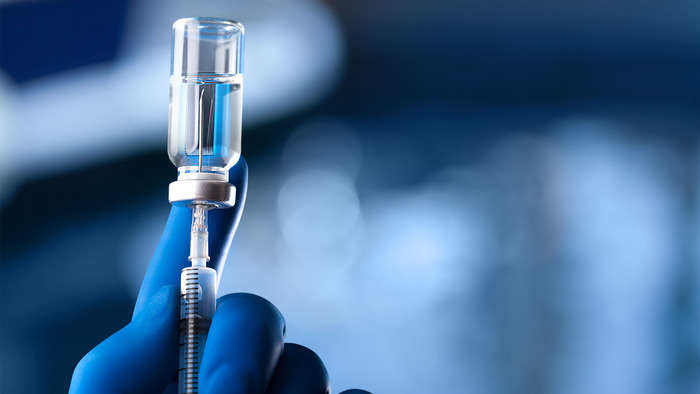
Infants and Toddlers: Building a Strong Immune System Early
The first few years of life are crucial for developing a strong immune system. Newborns receive some immunity from their mothers, but this protection fades quickly, making vaccines essential. Infants and toddlers receive a series of immunizations to protect against serious infections that can cause complications later in life.
Key vaccines recommended for this age group include:
- Hepatitis B (HepB): Prevents liver infections that can lead to long-term damage.
- DTaP (Diphtheria, Tetanus, Pertussis): Protects against life-threatening bacterial infections.
- IPV (Polio Vaccine): Prevents polio, a disease that can cause paralysis.
- Hib (Haemophilus Influenzae Type B): Reduces the risk of meningitis and respiratory infections.
- PCV (Pneumococcal Vaccine): Protects against pneumonia and bloodstream infections.
- MMR (Measles, Mumps, Rubella): Prevents highly contagious viral diseases.
- Varicella (Chickenpox): Reduces the risk of severe chickenpox and complications.
Following the recommended vaccine chart for all ages ensures children receive the protection they need at the right time.
School-Age Children: Strengthening Immunity for Group Settings
As children grow and enter school, their exposure to germs increases. Many vaccines from infancy require booster shots during this stage to maintain immunity and prevent outbreaks in schools and daycare centers.
Routine immunizations for school-age children include:
- A DTaP booster to reinforce protection against bacterial infections.
- A second MMR and varicella dose to strengthen immunity.
- The flu vaccine should be taken annually to reduce the risk of severe flu symptoms.
These routine vaccinations help prevent illnesses from spreading in classrooms and ensure children stay protected during their most active years.
Teenagers: Preparing for Adulthood with Boosters and Additional Protection
Teenagers need additional vaccinations to prepare their immune systems for adulthood. Some vaccines are given at this stage to prevent infections that become risks later in life.
Necessary immunizations for teens include:
- Tdap Booster: Given around age 11-12 to maintain protection against tetanus, diphtheria, and pertussis.
- HPV Vaccine: Recommended for boys and girls to prevent HPV-related cancers.
- Meningococcal Vaccine: Helps prevent bacterial meningitis, which spreads in shared living spaces.
- Flu Shot: Continues to be important for annual protection against evolving flu strains.
This is also a good time to check for missed childhood vaccines and ensure all immunizations are up to date before adulthood.
Adults: Staying Protected Through Routine Boosters
Immunity from childhood vaccines can weaken over time, which is why adults need specific boosters and additional vaccinations based on lifestyle and health risks.
- Tdap Booster (Every 10 Years): Keeps protection strong against tetanus, diphtheria, and pertussis.
- Flu Shot (Annually): Prevents flu-related complications and hospitalizations.
- Hepatitis A and B Vaccines are recommended for those at risk due to travel, occupation, or health conditions.
- HPV Vaccine (If Not Received Earlier): This vaccine can be given up to age 45 to prevent certain cancers.
Keeping up with routine immunizations helps prevent the resurgence of diseases and ensures long-term health.
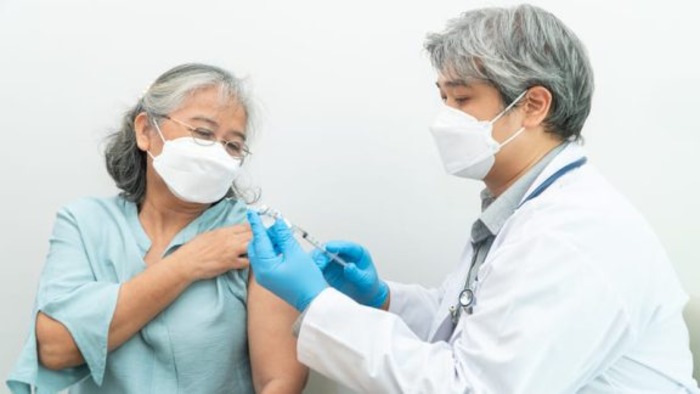
Seniors: Extra Protection for a Weaker Immune System
Aging weakens the immune system, making seniors more vulnerable to severe infections. Some vaccines are especially important for older adults to prevent complications that could lead to hospitalization.
Essential vaccines for seniors include:
- Pneumococcal Vaccines (PPSV23 and PCV20): Help prevent pneumonia and bloodstream infections.
- Shingles Vaccine (Shingrix): Reduces the risk of shingles and painful nerve damage.
- Flu Shot (High-Dose or Adjuvanted): Provides stronger protection for seniors with weakened immunity.
- RSV Vaccine: Recommended for those with respiratory conditions to prevent serious infections.
Following an immunization schedule in later years helps prevent common infections that can cause severe complications.
Special Considerations: Travel and Health Conditions
Some individuals need additional vaccines based on their lifestyle, travel plans, or medical conditions.
- Travel Vaccines: Some destinations require protection against diseases like yellow fever, typhoid, or Japanese encephalitis. Checking travel health guidelines before a trip ensures proper protection.
- Chronic Conditions: People with diabetes, heart disease, or weakened immune systems may need extra protection against pneumonia, hepatitis, or flu strains.
- Pregnancy: The Tdap vaccine is recommended during pregnancy to protect both the mother and baby. The flu shot is also advised to prevent complications.
Consulting a healthcare provider ensures that any additional vaccine needs are met based on personal health risks.
Conclusion
Vaccines are one of the simplest ways to stay healthy at every stage of life. Following a proper immunization schedule from infancy through old age ensures that individuals remain protected against serious diseases.
Checking your vaccination status regularly and scheduling necessary immunizations helps keep immunity strong. Many healthcare providers and pharmacies offer online appointment scheduling, making it easier than ever to stay current. Taking proactive steps today ensures long-term protection for you and those around you.
