

Cryptocurrency has opened up new avenues for investing, but with that growth comes an increased risk of scams. From fake exchanges to phishing schemes, fraudulent actors are constantly developing new tactics to steal funds from unsuspecting investors. As digital assets become more mainstream, protecting your crypto investments is more critical than ever.
This article outlines the most common types of crypto scams and provides practical strategies to help you recognize threats and safeguard your investments.

Common Types of Crypto Scams
The crypto landscape offers legitimate opportunities, but it’s also a breeding ground for various types of fraud. Being able to recognize different scam tactics is the first step toward protecting your investments. Below are the most common forms of crypto scams and how they typically operate:
- Rug Pulls: A rug pull occurs when developers suddenly abandon a crypto project and disappear with investor funds. This usually happens with new or unverified tokens that gain attention quickly. If a project’s liquidity is removed overnight, investors are left holding worthless coins;
- Phishing Attacks: Phishing scams involve fake websites or emails designed to steal login credentials or private keys. These often imitate legitimate exchanges or wallet providers, tricking users into entering sensitive information. In many cases, scammers create convincing replicas of well-known platforms, complete with branding and login forms. Once a user enters their information, the attacker gains full access to their account or wallet, often draining funds within minutes. Phishing attacks continue to evolve, making vigilance and verification crucial for any crypto user;
- Ponzi and Pyramid Schemes: These scams promise high returns and rely on money from new investors to pay earlier participants. Eventually, they collapse when new investments dry up. One notable example is BitConnect, which operated as a lending platform promising unrealistic daily returns before shutting down in 2018, causing investors to lose millions. Another case is PlusToken, a massive Ponzi scheme that defrauded users of over $2 billion worth of cryptocurrency. If a crypto opportunity guarantees profits with little risk, it’s likely a Ponzi scheme;
- Fake Wallets and Exchanges: Scammers create fraudulent platforms that look like real exchanges or apps. Once users deposit funds, the platform disappears or blocks access, resulting in the loss of funds;
- Impersonation Scams: Fraudsters often pose as celebrities, influencers, or support agents, offering fake giveaways or asking for deposits in exchange for higher returns. They rely on trust and urgency to scam victims quickly.
How to Spot Red Flags?
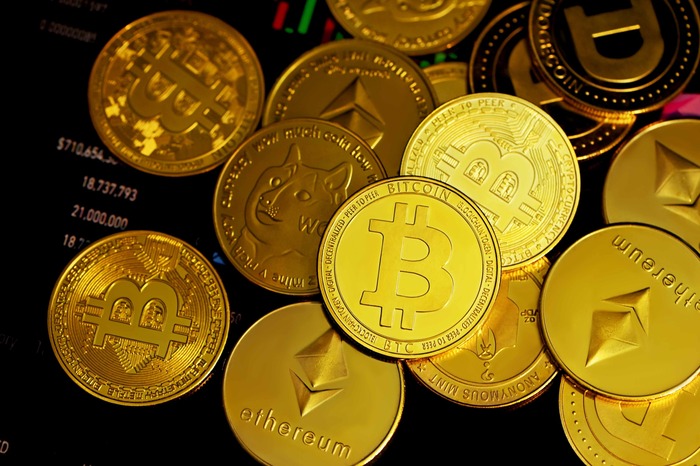
Before you commit to any crypto project or platform, it’s important to be aware of certain red flags. These warning signs can help you steer clear of scams that are designed to exploit inexperience or urgency. Look out for the following indicators:
- Promises of guaranteed or extremely high returns;
- Lack of transparency about the project’s team or goals;
- Pressure to invest quickly or share private information;
- Poorly written websites, whitepapers, or app interfaces;
- Unverifiable partnerships or endorsements.
If something feels off or too good to be true, it likely is. Always perform due diligence.
Strategies to Protect Your Crypto Investments
To effectively protect your crypto holdings, you need a combination of vigilance, good habits, and reliable tools. Whether you’re using a wallet, a trading app, or even engaging in platforms that bridge crypto with services like Bruce Bet Casino or another casino online, securing your assets should be a top priority.
Below are essential strategies that every investor should follow to reduce the risk of falling victim to fraud:
- Use Official Sources: Only download apps or access exchanges through verified URLs or official app stores;
- Enable Multi-Factor Authentication (MFA): Strengthen account security on wallets and exchanges by adding extra verification steps;
- Store Funds Securely: Use cold wallets or hardware wallets for storing large amounts of cryptocurrency offline;
- Research Thoroughly: Investigate a project’s whitepaper, developer team, and online reviews before investing;
- Avoid Sharing Private Keys: Never share your private keys or recovery phrases. No legitimate service will ask for them;
- Monitor Transactions: Regularly review your wallets and exchange accounts for unauthorized activity.
The Role of Regulation and Education
Governments are beginning to enforce stricter regulations to protect consumers from crypto fraud. While the decentralized nature of crypto makes regulation challenging, increased oversight can deter scammers and enhance trust in the market.
For example, the U.S. Securities and Exchange Commission (SEC) has increased its scrutiny of crypto assets and platforms, cracking down on unregistered securities and deceptive practices.
The European Union has also introduced the Markets in Crypto-Assets (MiCA) regulation to standardize rules across member states and protect investors. In Asia, countries like Singapore have implemented licensing requirements for crypto exchanges, focusing on anti-money laundering and customer due diligence.
At the same time, education is a powerful defense. The more informed you are, the better equipped you’ll be to recognize and avoid risky schemes.
Stay Alert, Stay Secure
Crypto offers exciting opportunities but also attracts bad actors looking to exploit the uninformed. By staying cautious, conducting research, and using proper security tools, you can navigate the crypto landscape with greater confidence.
Remember: in crypto, control over your assets means responsibility for their protection.
