

Running a successful restaurant means more than just serving great food—it also requires maintaining impeccable hygiene. Customers in Houston, TX, expect a clean dining environment, and health inspectors enforce strict sanitation standards.
Unfortunately, pests can quickly turn a well-managed eatery into a contaminated nightmare. From food contamination to structural damage, infestations pose serious risks to businesses.
Fumigation in Houston TX, becomes necessary when infestations spiral out of control, threatening public health and business reputation.
Cockroaches, rodents, and flies are just a few of the uninvited guests that can invade a restaurant. Identifying these threats early helps prevent costly damage and potential closures. Let’s explore six of the most dangerous pests commonly found in Houston’s dining establishments.
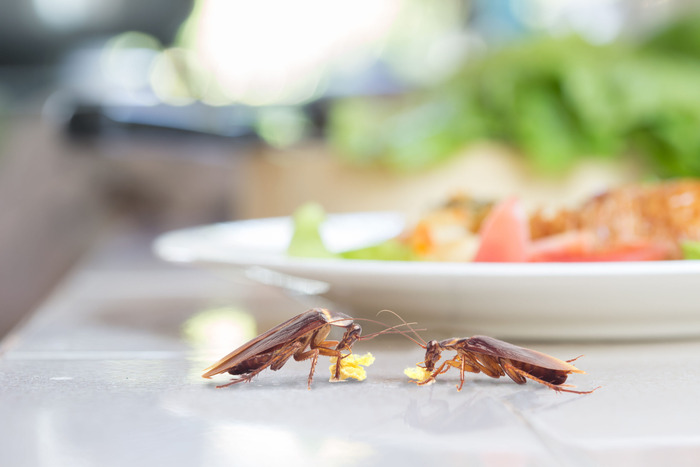
Cockroaches
Cockroaches are among the most notorious pests in food service establishments in Houston, TX. These resilient insects thrive in warm, humid environments with easy access to food and water.
Kitchens, pantries, and storage areas provide the perfect conditions for their rapid reproduction. In addition to being unpleasant, cockroaches spread bacteria, viruses, and allergens.
They crawl through drains, trash bins, and contaminated surfaces before making their way to food preparation areas. Their ability to hide in cracks and reproduce quickly makes them challenging to eliminate.
Without immediate intervention, a minor cockroach problem can turn into a full-blown infestation. Their presence not only compromises hygiene but also poses serious health risks by spreading bacteria and allergens.
Rodents
Mice and rats pose a serious threat to restaurants, causing extensive damage and spreading harmful pathogens. These nocturnal invaders sneak into kitchens through tiny openings, seeking food and shelter. They chew through packaging, contaminate ingredients, and leave behind droppings in hidden areas in Houston, TX.
Aside from food contamination, rodents gnaw on electrical wiring, increasing the risk of fire hazards. Their rapid reproduction makes controlling infestations challenging without professional intervention. Restaurants with rodent issues not only face health code violations but also risk losing customer trust.
Flies
Flies are more than just a nuisance—they carry dangerous bacteria. These pests breed in decaying organic matter and can transfer pathogens to food, utensils, and surfaces.
Houseflies, drainflies, and fruit flies are common invaders in restaurant settings. They are attracted to uncovered food, dirty dishes, and unclean drains in Houston, TX.
Once inside, they multiply rapidly, making them difficult to control. Their presence in a dining area gives customers a negative impression, affecting a restaurant’s reputation.
Regular cleaning and proper waste disposal help reduce their population, but severe infestations require expert treatment. Ignoring the problem can lead to health code violations, fines, and potential closure of the establishment.
Ants
Ants are relentless when it comes to invading restaurants in search of food. Once they find a reliable food source, they leave behind pheromone trails that attract more colony members.
Kitchens, pantries, and even dining areas become prime targets for these tiny scavengers. Some species, like carpenter ants, can cause structural damage by burrowing into wooden surfaces.
Others, such as sugar ants, infest food storage areas and contaminate ingredients. Their small size allows them to access even the tiniest cracks, making DIY removal difficult.
Eliminating an infestation requires targeting both visible ants and their hidden nests. If left unchecked, their colonies expand quickly, leading to persistent infestations that disrupt daily restaurant operations.
Stored Product Pests
Grain beetles, weevils, and pantry moths fall under the category of stored product pests. These insects infest dry goods such as flour, rice, pasta, and cereals. Once inside packaging, they lay eggs, leading to rapid infestations that ruin food supplies.
Restaurants that store large quantities of ingredients must regularly inspect inventory for signs of infestation.
Contaminated products result in financial losses and potential health risks for customers. Proper food storage and regular inspections help keep these pests at bay, preventing costly damage. Failing to address infestations promptly can lead to regulatory violations, food recalls, and a damaged brand reputation.
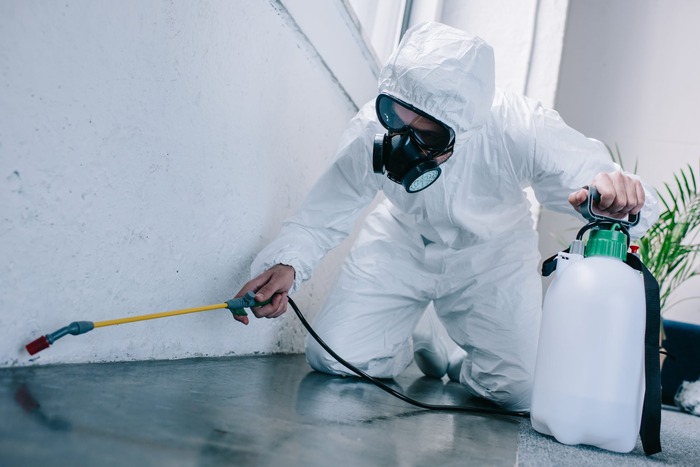
The Importance of Professional Fumigation Services
Effective pest control goes beyond basic cleaning and DIY treatments. Some infestations require professional fumigation, which eliminates pests at all life stages and ensures a thorough and long-lasting solution.
Restaurants dealing with severe infestations benefit from targeted treatments that reach hidden colonies and breeding sites. Fumigation penetrates cracks, crevices, and hard-to-reach areas where pests hide.
It not only removes existing infestations but also helps prevent future outbreaks. By investing in expert services, restaurant owners protect their reputations, comply with health regulations, and maintain a safe dining environment. Regular fumigation ensures long-term pest control, reducing the risk of costly infestations and operational disruptions.
Fumigation in Houston TX offers an effective solution for eliminating severe pest infestations in restaurants. Early intervention prevents health hazards, protects food quality, and ensures compliance with health regulations.
Keeping a restaurant pest-free requires vigilance, routine inspections, and expert assistance when needed. By staying proactive, restaurant owners can maintain a clean, safe, and welcoming environment for customers.
