

In the fast-paced world of startups, growth is often the primary goal. Founders focus on product development, customer acquisition, and funding rounds, all essential to survival. However, scaling quickly without the right systems in place can be a recipe for disaster.
One area where startups often fall short is in integrating Governance, Risk, and Compliance (GRC) into their HR infrastructure.
While GRC may sound like a concern for enterprise giants, it’s increasingly critical for startups that hope to scale efficiently and securely.
A well-structured HR system that incorporates GRC principles can prevent costly compliance mistakes, protect sensitive employee data, and create a culture of accountability from the outset.
Here’s how startups can build a tech stack that not only supports HR needs but also aligns with modern GRC requirements.
Why GRC Belongs in the Startup Conversation?
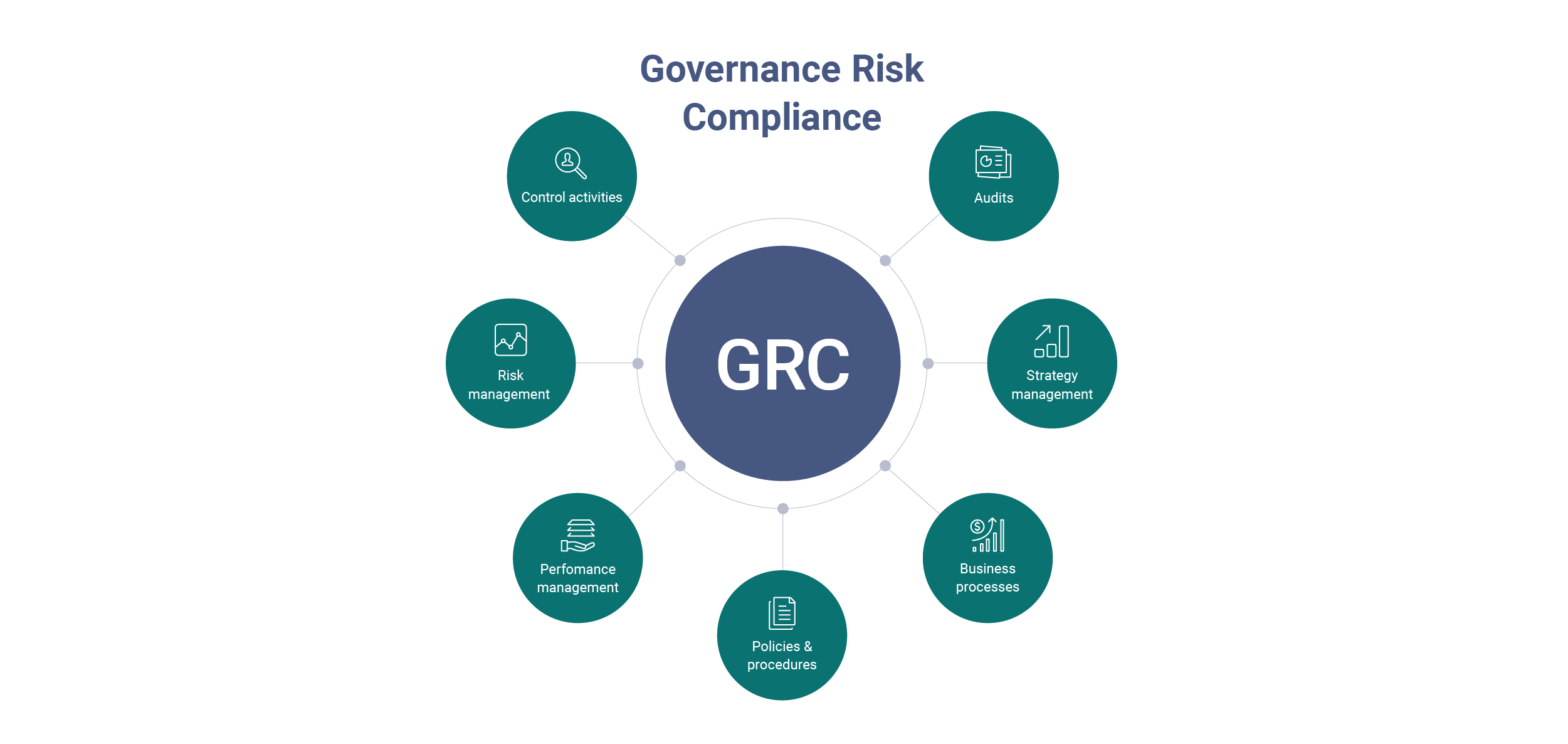
Governance, Risk, and Compliance (GRC) refers to a strategic framework that helps organizations align business objectives with IT, manage risk proactively, and meet regulatory compliance standards.
While startups often operate informally in their early stages, regulatory obligations still apply, whether it’s labor laws, data privacy mandates, or internal security policies.
Neglecting these areas can lead to fines, lawsuits, reputational damage, and employee turnover. More importantly, as startups scale and attract investment, due diligence processes will uncover any cracks in their compliance or security foundations.
Incorporating GRC into your HR tech stack early ensures that processes like hiring, onboarding, compensation, and terminations are documented, auditable, and secure.
The Foundations of a GRC-Ready HR Tech Stack
A modern HR system does more than track employee records and process payroll. It should integrate with a broader ecosystem of tools that support both operational efficiency and risk management. Here are the core components of a GRC-conscious HR tech stack:
Digital Onboarding with Compliance Checkpoints
Start with an onboarding solution that includes built-in workflows for background checks, policy acknowledgments, digital signatures, and training completion tracking. Automating this process not only reduces manual errors but also ensures every new hire is aligned with your company’s compliance posture from day one.
Look for solutions that:
- Log all employee acknowledgments (e.g., employee handbook, code of conduct)
- Track completion of required compliance training
- Integrate with ID verification services
Secure Employee Data Management
Managing sensitive personal information like Social Security numbers, tax documents, and health data is a compliance minefield. Your HR platform should offer encrypted storage, role-based access controls, and activity logging to safeguard this data.
Make sure your tech stack includes:
- End-to-end encryption for PII (personally identifiable information)
- GDPR/CCPA compliance features
- Role-based permissions to limit data exposure
- Audit trails to track changes or access to employee files
Automated Policy Management and Acknowledgment Tracking
As startups grow, company policies will evolve. Whether it’s updating your harassment policy, remote work guidelines, or leave policies, your HR system should be able to push updates to employees and log their acknowledgment.
Features to look for include:
- Version control for policy documents
- Timestamped acknowledgment receipts
- Notifications for unread or pending policies
This not only promotes accountability but also provides critical documentation if issues arise later.
Integrated Time, Attendance, and Leave Tracking
Time tracking isn’t just about productivity, it’s a compliance issue. Labor laws in many jurisdictions mandate accurate records of hours worked, breaks taken, and leave balances.
Your HR tech should integrate with time and attendance tools that:
- Automatically log work hours and breaks
- Generate compliance-ready reports
- Manage PTO and sick leave accrual in accordance with local laws
Scalable Role-Based Access Controls
As your team grows, so does the complexity of permissions. You’ll need a system that allows granular access control so HR staff can access sensitive records, while managers only see performance data relevant to their teams.
Scalable access control is essential for:
- Protecting employee privacy
- Reducing insider threat risks
- Maintaining an audit trail for sensitive actions
Incident Reporting and Whistleblower Channels
Modern HR isn’t just about hiring and firing, it’s about trust and transparency. Your system should include channels for employees to report incidents confidentially, whether they involve harassment, discrimination, or ethical violations.
These tools should:
- Offer anonymous reporting options
- Allow case tracking with appropriate follow-up documentation
- Integrate with compliance or legal teams if needed
Audit-Ready Reporting and Dashboards
Compliance isn’t just about setting rules, it’s about proving they’re followed. Your HR platform should include robust reporting capabilities that make it easy to demonstrate compliance during audits, investor due diligence, or internal reviews.
Look for tools that offer:
- Pre-built compliance report templates
- Customizable dashboards for HR and legal teams
- Exportable logs for payroll, policy acknowledgment, and training completion
Future-Proofing Through Integration
The best HR systems are not isolated platforms, they’re hubs that integrate with the rest of your business operations. Whether it’s accounting, project management, or cybersecurity tools, seamless integration allows data to flow across your organization while maintaining oversight and control.
Choosing a modular, API-friendly HR solution means your tech stack can grow with your business, layering in new compliance features as your regulatory landscape evolves.
Secure Growth Starts with HR
For startups aiming to scale, the temptation is to defer GRC until “later.” But in today’s regulatory and security climate, later can become too late. By embedding GRC principles into your HR systems from the outset, you lay the groundwork for sustainable, secure growth.
A well-chosen HR tech stack doesn’t just manage people, it protects your business, builds trust with your employees, and ensures you’re always audit-ready. In the startup world, that peace of mind is worth its weight in funding.
