

Manchester has been many things over the centuries—a mill town, a music capital, a football mecca—but in recent years, it’s become something else entirely: a property hotspot. The city’s skyline has reshaped itself almost overnight, sprouting cranes and high-rise apartments like an urban rainforest.
From first-time buyers to overseas investors, everyone seems to be casting an eye toward Manchester. But with interest rates up, inflation still looming in the background, and whispers of market slowdowns, a pressing question lingers—is the city’s property market still growing?
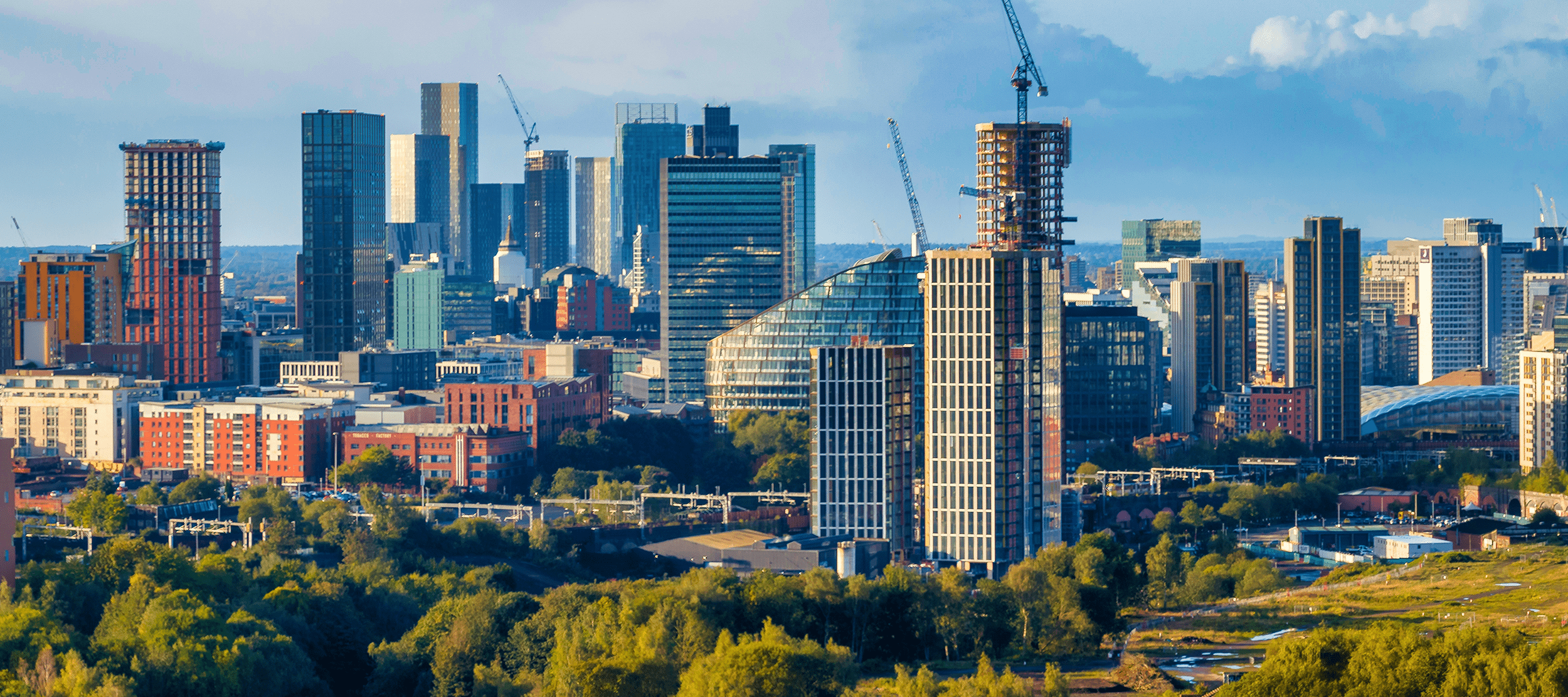
A City in Constant Evolution
The short answer? Yes, but with caveats. The Manchester property scene isn’t the runaway train it was a few years ago, but it hasn’t hit the brakes either. It’s more like a high-speed train entering a curve—still moving fast, just a little more cautiously.
What’s notable is that Manchester continues to outperform many other UK regions. Despite broader national headwinds, demand in the city centre and surrounding boroughs has remained resilient.
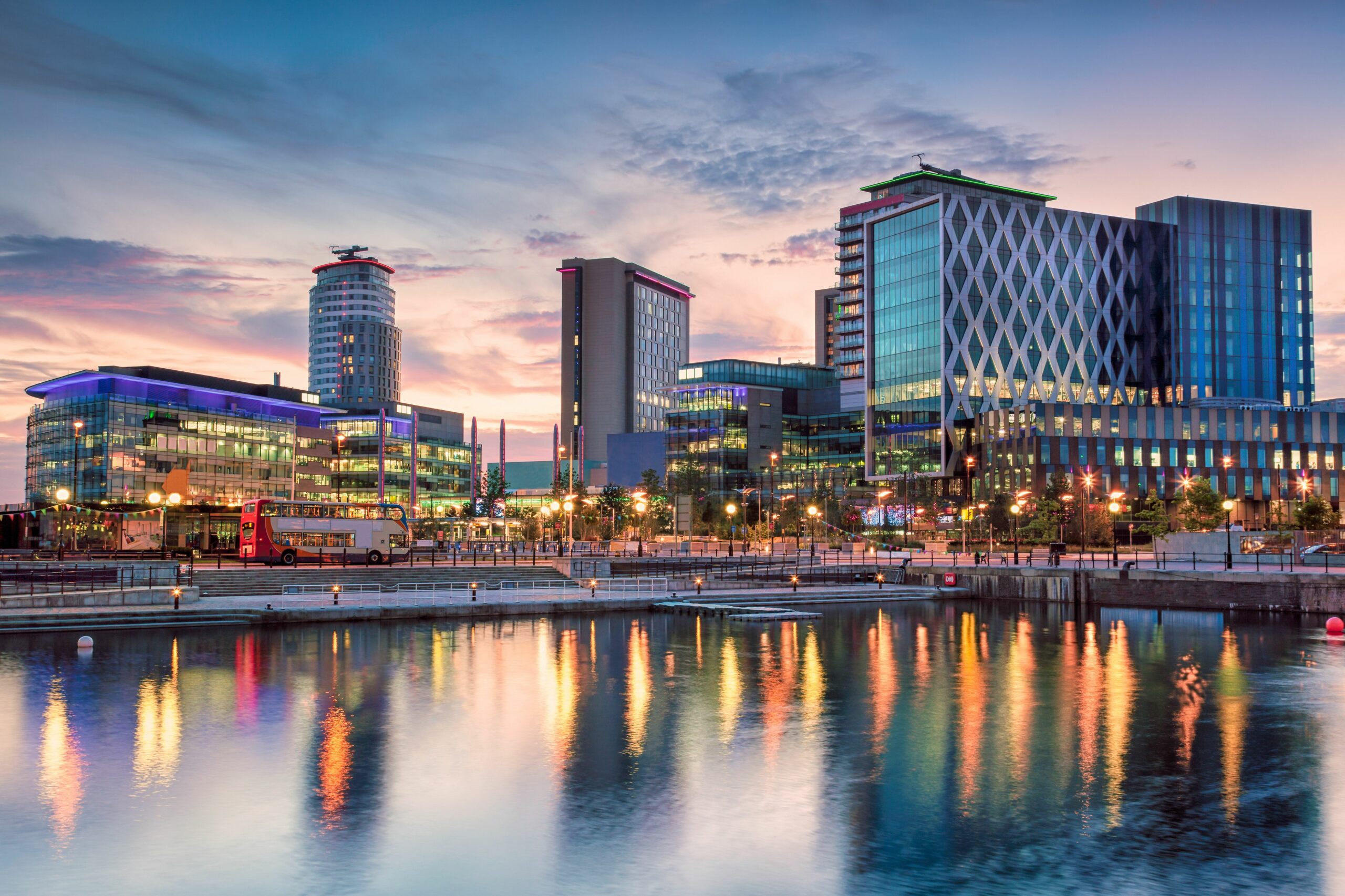
Developments in Salford Quays, Ancoats, and Northern Quarter keep drawing young professionals, tech workers, and creatives, many of whom are leaving London behind in search of better affordability and lifestyle.
According to Rightmove and Zoopla data, prices have stabilised slightly after an aggressive upward surge during the post-pandemic recovery. But “stabilised” doesn’t mean stagnant. In fact, some areas still show year-on-year increases in both rental and sale prices, albeit more modest than the double-digit jumps seen in 2021.
What’s Driving the Residential Growth?
One of the primary forces behind this resilience is the ongoing residential growth in the North. Manchester stands at the forefront of a larger regional shift that’s been quietly underway for over a decade.
Public and private investments have poured into northern cities through initiatives like the Northern Powerhouse, boosting transport, digital infrastructure, and cultural funding.
What’s especially interesting is how the residential market has followed suit. Large-scale build-to-rent schemes, refurbishments of historical buildings, and new eco-conscious apartment blocks all point to sustained momentum. It’s not just about putting up more buildings—it’s about creating environments that people genuinely want to live in.
There’s also been a demographic shift. Students who came to Manchester for university are increasingly staying post-graduation, contributing to the city’s growing pool of young professionals. This, in turn, has stoked demand for rental units, and kept yields attractive for landlords and investors even as mortgage costs tick up.
Are Rising Rates Slowing Things Down?
Of course, nothing exists in a vacuum, and Manchester isn’t immune to the pressures affecting the wider UK economy. Interest rate hikes have cooled down some segments of the buyer pool, particularly first-time buyers reliant on higher loan-to-value mortgages.
There’s also a bit more hesitancy among buy-to-let investors who are now seeing slimmer margins unless they’ve purchased outright or early.
But here’s the nuance: the slowdown hasn’t translated into a crash. Instead, what’s emerged is a more selective, strategic market. Properties in prime locations with good transport links and amenities are still moving fast. Others—particularly overpriced or poorly maintained units—are sitting longer.
So while the froth has evaporated, the substance remains. For those willing to take a longer-term view, Manchester continues to offer compelling fundamentals. The city’s population is projected to keep rising, and major employers in tech, healthcare, and education show no signs of pulling back.
The Outlook: Balancing Optimism and Realism
No market grows indefinitely without a few pauses, and Manchester is arguably in one of those reflective phases now. It’s a period of recalibration rather than decline. This can actually be healthy; it weeds out speculation and encourages smarter development.
There’s also reason to believe the city is better positioned than most to weather the current cycle. Its diversified economy, young population, and ongoing infrastructure improvements make it more adaptable than cities overly reliant on one sector or demographic.
Looking ahead, it wouldn’t be surprising to see modest but steady growth resume—particularly in neighbourhoods with regeneration projects underway or those near new transport links. The introduction of HS2, if and when it arrives, could also prove to be a tipping point (or a missed opportunity, depending on execution).
Final Thoughts: Still Worth Watching
So, is Manchester’s property market still growing? Not in the frenzied, headline-grabbing way it did during the early 2020s—but yes, it is. More importantly, it’s growing in a way that might prove more sustainable over the long term.
Buyers and investors would do well to temper their expectations with a bit of realism, but not to lose sight of the bigger picture.
Manchester remains a dynamic, evolving city with a property market that reflects both its challenges and its promise. And in a world where so much feels uncertain, that kind of grounded resilience might be exactly what people are looking for.
