

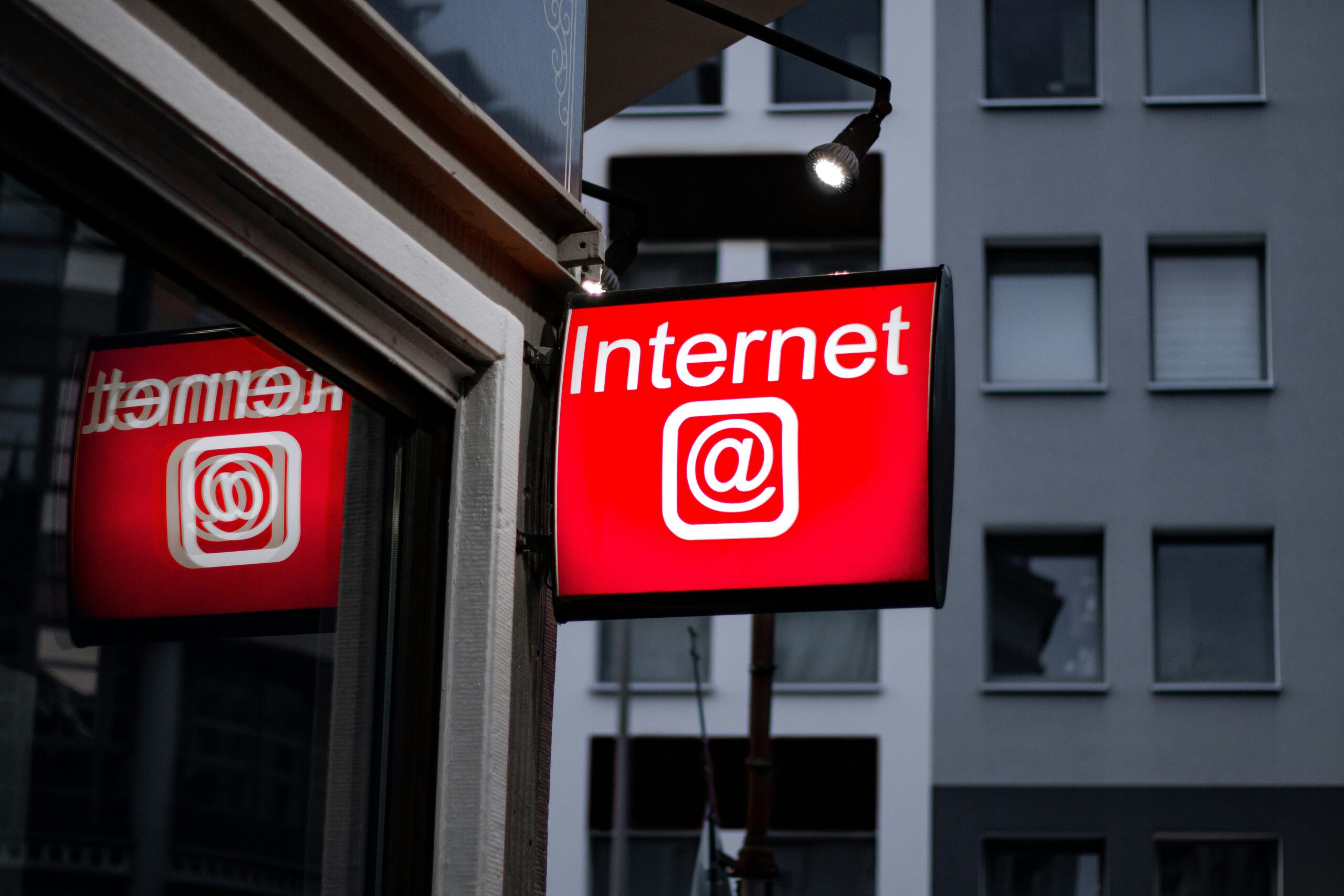
Remember the early noughties when internet cafes were just about everywhere? These were places where people could drop in, grab a coffee, and pay for an hour or two of internet access.
At the time, home broadband connections were expensive, laptops were far from universal, and smartphones had not yet revolutionized the way we live.
The Rise (and Fall) of the Internet Cafe
Internet cafes were once seen as vital. A typical setup would likely include rows of desktop computers, wired headsets, and a small café counter serving drinks and maybe some snacks, if you were lucky.
Customers, who were everyone from uni students to businesspeople, would pay by the hour to browse the web, check emails, or chat on instant messaging platforms like MSN Messenger and Yahoo! Chat.
But as home broadband became cheaper and more reliable, the demand started to shrink. The spread of Wi-Fi in public places, from giant coffee chains like Starbucks to libraries and airports, made it easier to connect without needing a dedicated venue.
And then, of course, the arrival of smartphones, tablets, and affordable laptops pushed internet cafes further into decline. By the mid-2010s, in many Western countries, internet cafes were closing down at a rapid pace.
Despite the decline, internet cafes never fully vanished. Instead, they changed with the times. In many developing countries, internet access at home is still not universal.
For example, in parts of Africa, Southeast Asia, and South America, internet cafes remain essential for students, workers, and entrepreneurs who cannot afford home connections or reliable devices.
Even in wealthier countries, the concept has not completely died out. Rather than serving as simple access points to the web, internet cafes in 2026 often offer something more.
Gaming Cafes
Say hello to gaming cafes, which thrive in our gaming-obsessed world. They’re basically the modern descendants of the old internet cafe, but instead of basic browsing, they are set up with high-performance gaming PCs, ergonomic chairs, and ultra-fast internet connections.
Popular across Asia, especially in South Korea, China, and the Philippines, too, these venues are known as PC bangs (in Korea) or LAN cafés. They essentially serve as dual-function social spaces where groups of friends gather to play multiplayer games together, either casually or a little more competitively.
Here in the West, we have our own versions of gaming cafes, also, but they are often smaller in number. They aren’t quite as popular (yet, anyway) as many gamers prefer to play at home, either solo or with friends.
iGaming, in particular, has become increasingly popular, and typically offshore sites are used to find the biggest, best and most popular games, including slots, poker and crash games.
However, some Esports bars and hybrid gaming lounges have sprung up in major cities across the United States and Europe, and this rise will likely only continue.
Coworking and Study Hubs
Another rather functional way in which internet cafes have adapted is honing in on the wants and needs of office workers and uni students.
Remote work and digital nomad lifestyles have surged since the pandemic years, and many of us still look for spaces outside the home to be productive for a change of scene or away from family members or flatmates that might cause a distraction.
Tourism
Ever had the panic of your phone battery dying and needing to find a computer to access your all-important boarding pass 3 hours before your flight? In this instance, an internet cafe is going to be your best friend.
In fact, travel has always played a big role in the survival of internet cafes. Backpackers, gap-year students, and many budget travellers often really rely on these spots to connect to friends and family when they are abroad and make important purchases, like flights and hotels.
While yes, mobile roaming charges have become more affordable, they are still high enough in some regions to make internet cafes a way more practical option.
Tourists also benefit from the reliability of a fixed computer. Uploading hundreds of photos or filling out visa applications can be much easier in an internet café than on a smartphone. Many travellers find reassurance in being able to sit down at a proper machine if they need to access secure documents.
Challenges in 2026
Of course, it’s not all smooth sailing. Running an internet café in 2026 comes with a lot of challenges. Competition from home connections, mobile data, and free Wi-Fi hotspots is stronger than ever. Also, profit margins are pretty slim, especially in regions where gaming cafes require constant hardware upgrades to keep up with new releases.
There’s also the challenge of security. With cybercrime forever on the rise, users are often understandably cautious about logging into sensitive accounts from public computers.
It’s for this reason that many internet cafés now advertise security measures, such as regular system wipes, VPN usage, and private browsing modes, which go some way to reassure their customers.
And Finally
Internet cafés have gone through a whole full cycle of growth, decline, and rebirth. In that sense, they are very much still a thing – just not the same thing you might remember from two decades ago.
