

Remember when downloading videos felt like a relic of the pre-Netflix age? Well, plot twist: it’s back, and it’s more relevant than ever.
We’re living in what’s supposed to be the golden age of streaming. With a few taps, you can access millions of songs, movies, and shows from anywhere.
Except… you can’t always access them from anywhere, can you? That’s the dirty little secret of the streaming revolution, and it’s exactly why offline viewing is experiencing an unexpected renaissance.
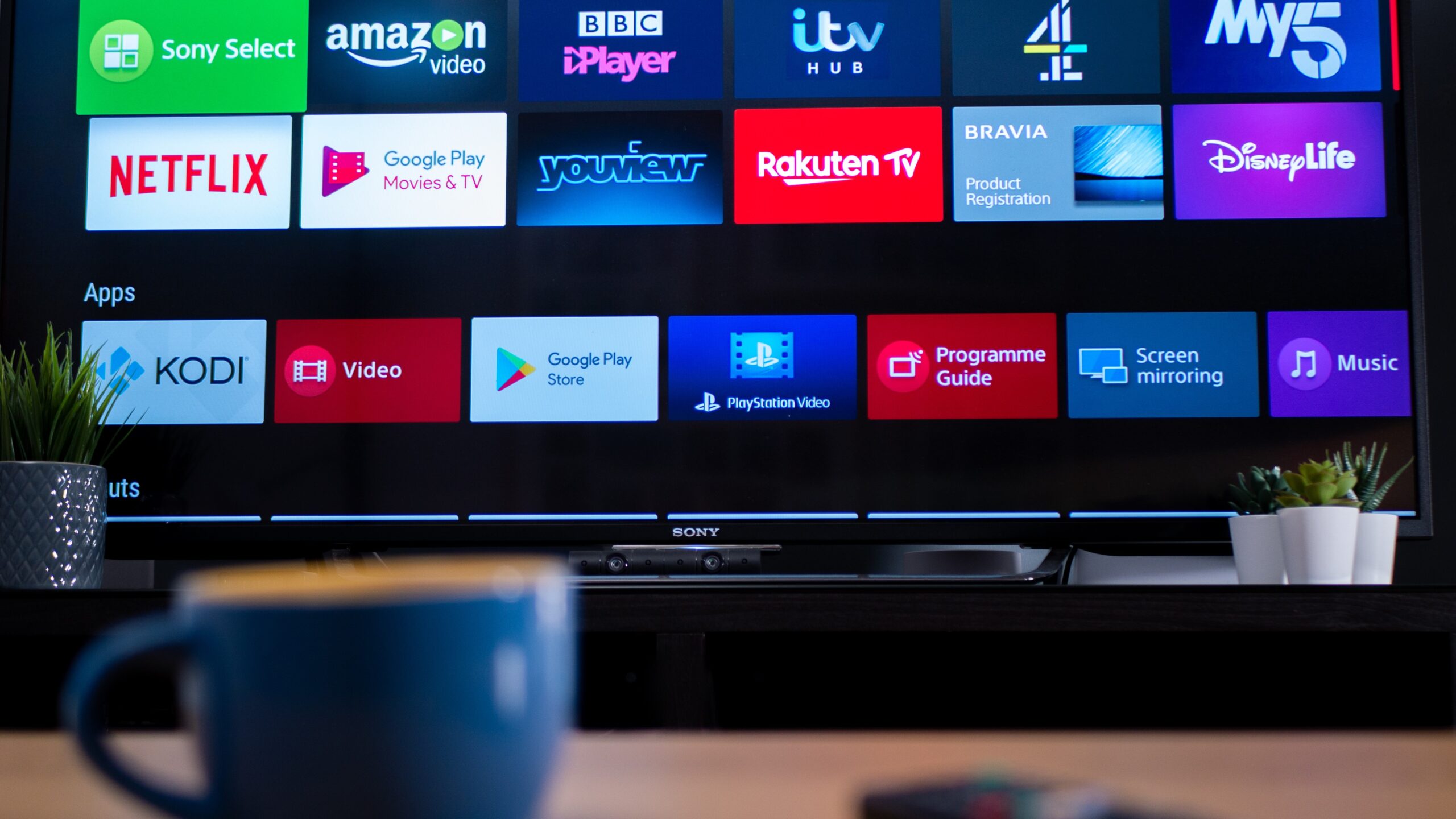
The Internet Isn’t as Reliable as We Pretend
Here’s something we don’t talk about enough: despite all our technological progress, internet connectivity is still frustratingly unreliable for millions of people.
Sure, if you live in a major city with fiber optic and 5G coverage, streaming feels seamless. But venture into suburban areas, hop on public transportation, or travel literally anywhere outside urban centers, and suddenly that “unlimited access” becomes pretty limited.
I’ve watched countless people stare at buffering screens on trains, in coffee shops, or even at home during peak hours when everyone in the neighborhood is online.
The promise of “stream anytime, anywhere” runs headfirst into the reality of inconsistent bandwidth, network congestion, and dead zones. This is where offline downloads become less of a convenience and more of a necessity.
Travel Has Exposed Streaming’s Achilles Heel
The return of travel post-pandemic has highlighted another major flaw in the streaming-only model. Airlines charge exorbitant fees for in-flight WiFi that barely works.
Road trips take you through areas where cell signals vanish for hours. International travel means navigating data roaming costs that can turn a simple Netflix binge into a budget disaster.
Smart travelers have figured this out. Before a long flight or road trip, they’re downloading content again—just like we did in the early 2000s, but now with modern tools. Applications like Video Music Downloader have gained traction specifically because they solve this problem elegantly.
Rather than relying on spotty airplane WiFi or burning through expensive international data plans, users can prepare their entertainment library in advance.
The Vidmate Download option, for instance, lets people grab videos from various platforms and watch them completely offline, which is honestly a game-changer for frequent travelers.
Data Costs Are Still Very Real
Let’s talk money. While unlimited data plans exist, they’re not actually unlimited—most have fine print about throttling after certain thresholds, or they’re prohibitively expensive in many markets.
In developing countries, data costs can be a significant portion of someone’s budget. Even in wealthy nations, people living in rural areas or using prepaid plans often have to carefully ration their data consumption.
Streaming a single HD movie can eat up 3-5GB of data. A season of a TV show? We’re talking 15-30GB or more. For someone on a limited data plan, that’s unsustainable.
Downloading content over WiFi and watching it offline isn’t just convenient—it’s economical. It’s the difference between being able to enjoy entertainment and having to choose between streaming and other internet necessities.
The Flexibility Factor
There’s also something psychologically satisfying about having content that’s actually yours to watch, at least temporarily.
Streaming libraries are fluid—shows and movies disappear when licensing agreements expire. How many times have you added something to your watchlist only to find it’s gone when you finally have time to watch it?
Downloaded content doesn’t vanish. It’s there when you want it, regardless of licensing disputes, platform decisions, or whether your subscription payment went through. There’s a sense of control and reliability that streaming, for all its convenience, simply can’t match.
It’s Not Just About Video Anymore
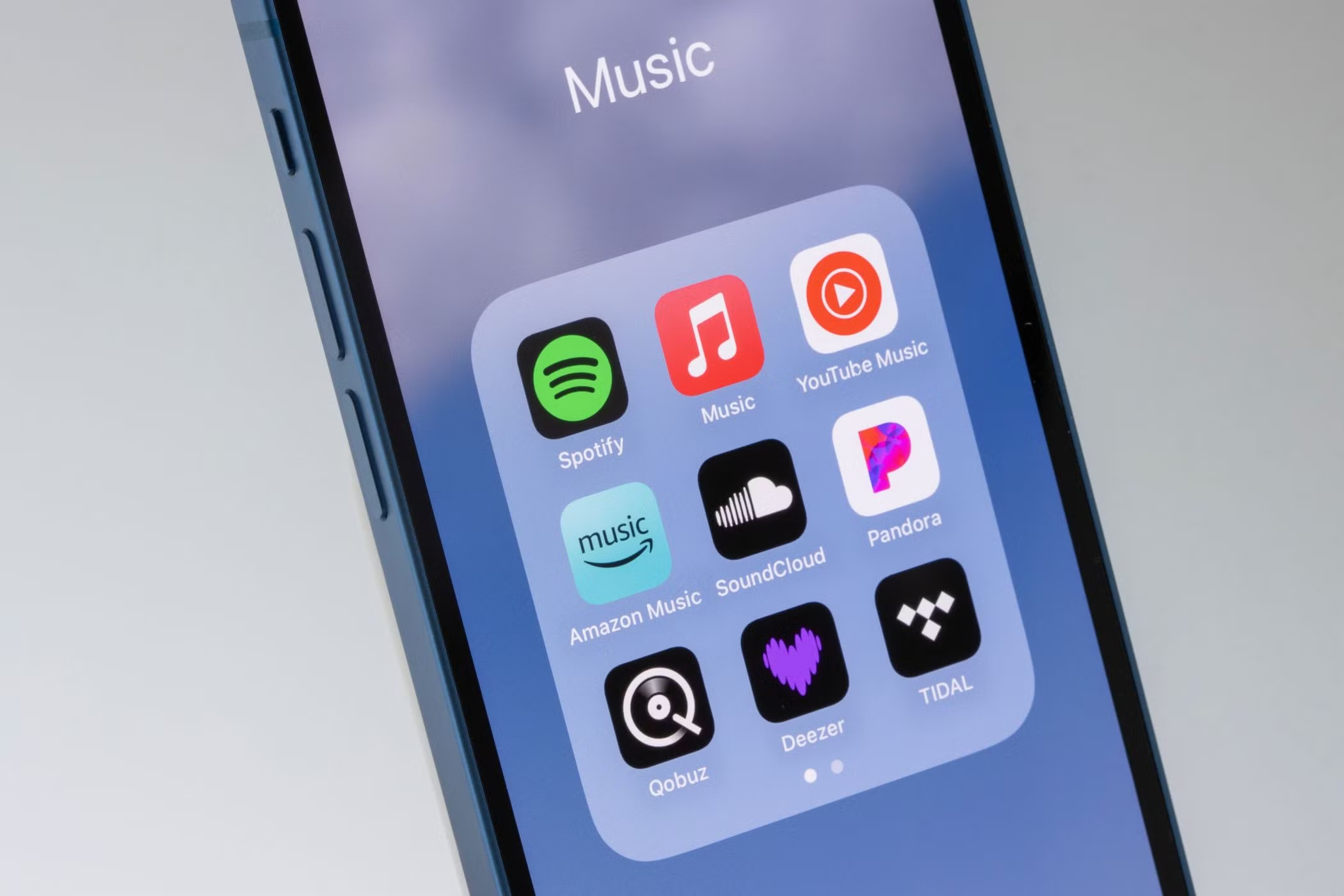
Music streaming services learned this lesson earlier than video platforms. Spotify, Apple Music, and YouTube Music all offer robust offline download features because they recognized that people need their music in the gym, on runs, in the subway, and anywhere else where streaming isn’t practical.
Video platforms are slowly catching up, with most major services now offering download options, but they’re often limited by time restrictions, device limitations, or geographical availability.
The Hybrid Future
What we’re seeing isn’t really a rejection of streaming—it’s an evolution toward a more practical hybrid model. People want the vast library and convenience of streaming when conditions are ideal, but they also want the reliability and cost-effectiveness of offline viewing when circumstances demand it.
The comeback of offline viewing isn’t a step backward; it’s a correction of the streaming industry’s initial assumption that connectivity would never be a limiting factor.
The most successful media consumption strategies in 2026 combine both approaches: streaming when you can, downloading when you should. Tools that facilitate easy downloads are thriving because they fill a genuine need that streaming alone can’t meet.
As we move forward, the companies that acknowledge this reality—rather than fighting against it—will be the ones that best serve their users.
Because at the end of the day, people just want to watch what they want, when they want, without buffering, without data anxiety, and without depending on perfect connectivity that doesn’t yet exist everywhere.
The streaming era hasn’t ended. It’s just getting more realistic.
