

In 2023, Copenhagen’s legendary Noma announced it would close its traditional restaurant service, sending shockwaves through the culinary world. The three-Michelin-starred establishment, often ranked among the world’s best restaurants, cited unsustainable business models and staffing challenges.
Noma isn’t alone — across Europe, North America, and Asia, prestigious fine dining establishments are shuttering despite critical acclaim and waiting lists.
This phenomenon reveals deeper shifts in consumer behavior, economic realities, and cultural values that threaten the traditional fine dining model’s survival.
The Changing Economic Landscape
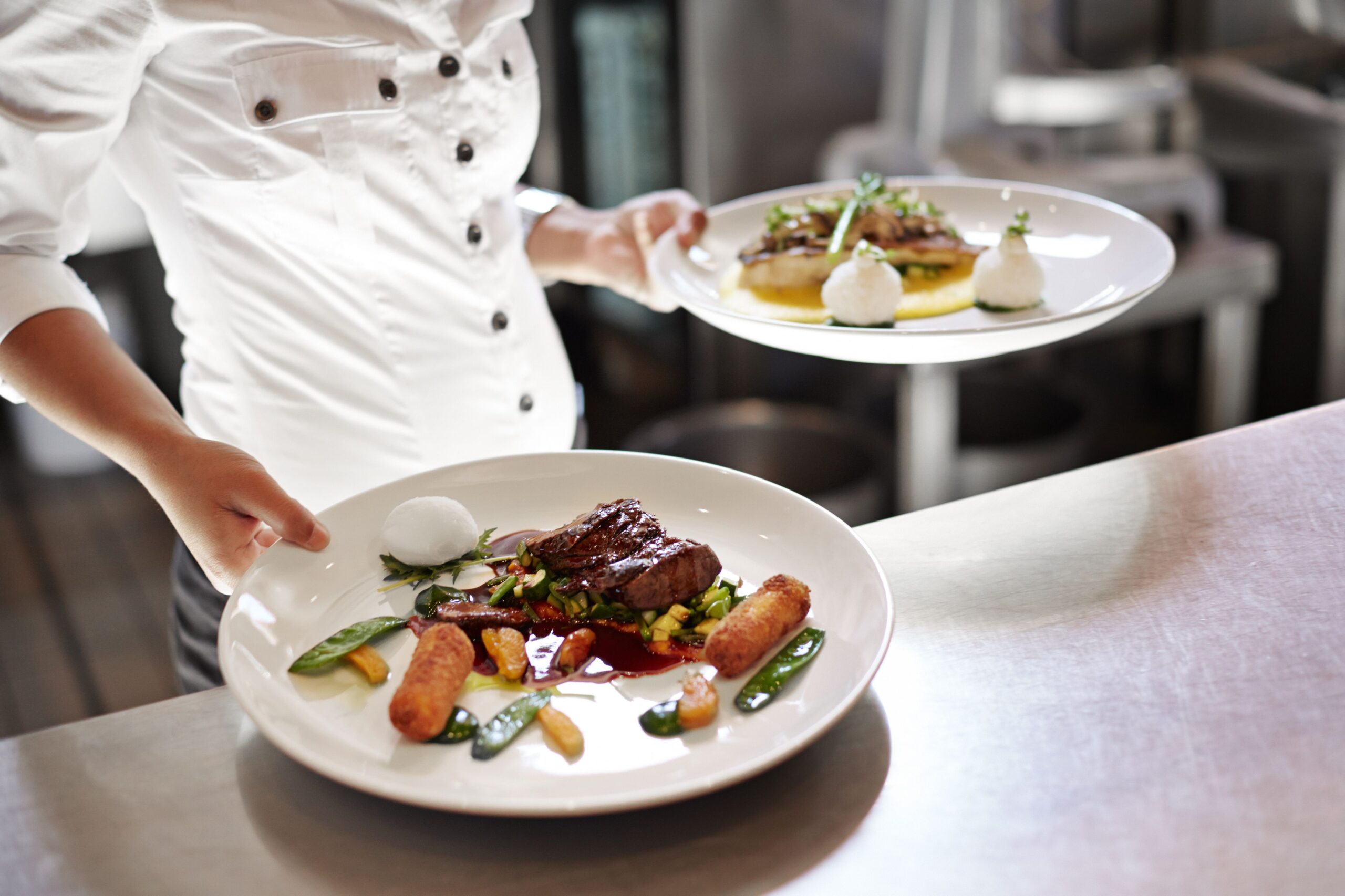
The economics of fine dining have become increasingly untenable. Food costs have surged 25-30% since 2020, while labor expenses have increased even more dramatically.
Fine dining restaurants typically operate on razor-thin profit margins of 3-6%, meaning small cost increases can quickly push them into losses.
Premium ingredients — the foundation of haute cuisine — have seen particularly steep price increases, with items like truffles, caviar, and specialty seafood rising 40-60% in recent years.
The labor crisis compounds these challenges. Chef shortages, combined with younger generations’ reluctance to work the demanding hours fine dining requires, have forced restaurants to raise wages substantially.
A skilled sous chef who earned $45,000 annually in 2019 now commands $65,000-$75,000 in major cities. The fine dining model, which relies on large kitchen brigades and extensive front-of-house staff, makes these labor costs particularly burdensome.
The escalating operational expenses in competitive urban markets illustrate why even acclaimed restaurants struggle financially despite premium pricing.
| Cost Category | 2019 Baseline | 2026 Current | Percentage Increase | Impact on Operations |
| Prime ingredients | $100 | $155-$165 | 55-65% | Forces menu price increases |
| Labor costs | $100 | $150-$160 | 50-60% | Reduces staff or service hours |
| Rent (select prime locations) | $100 | $135-$145 | 35-45% | Pressures profit margins |
| Utilities and insurance | $100 | $130-$140 | 30-40% | Increases the break-even point |
| Overall operating costs | $100 | $145-$155 | 45-55% | Threatens viability |
These increases far outpace the ability to raise menu prices without losing customers, creating an unsustainable squeeze that forces closures even when restaurants maintain full reservations.
Note that these figures represent trends in high-end urban restaurants and vary significantly by location and market conditions.
Shifting Consumer Preferences
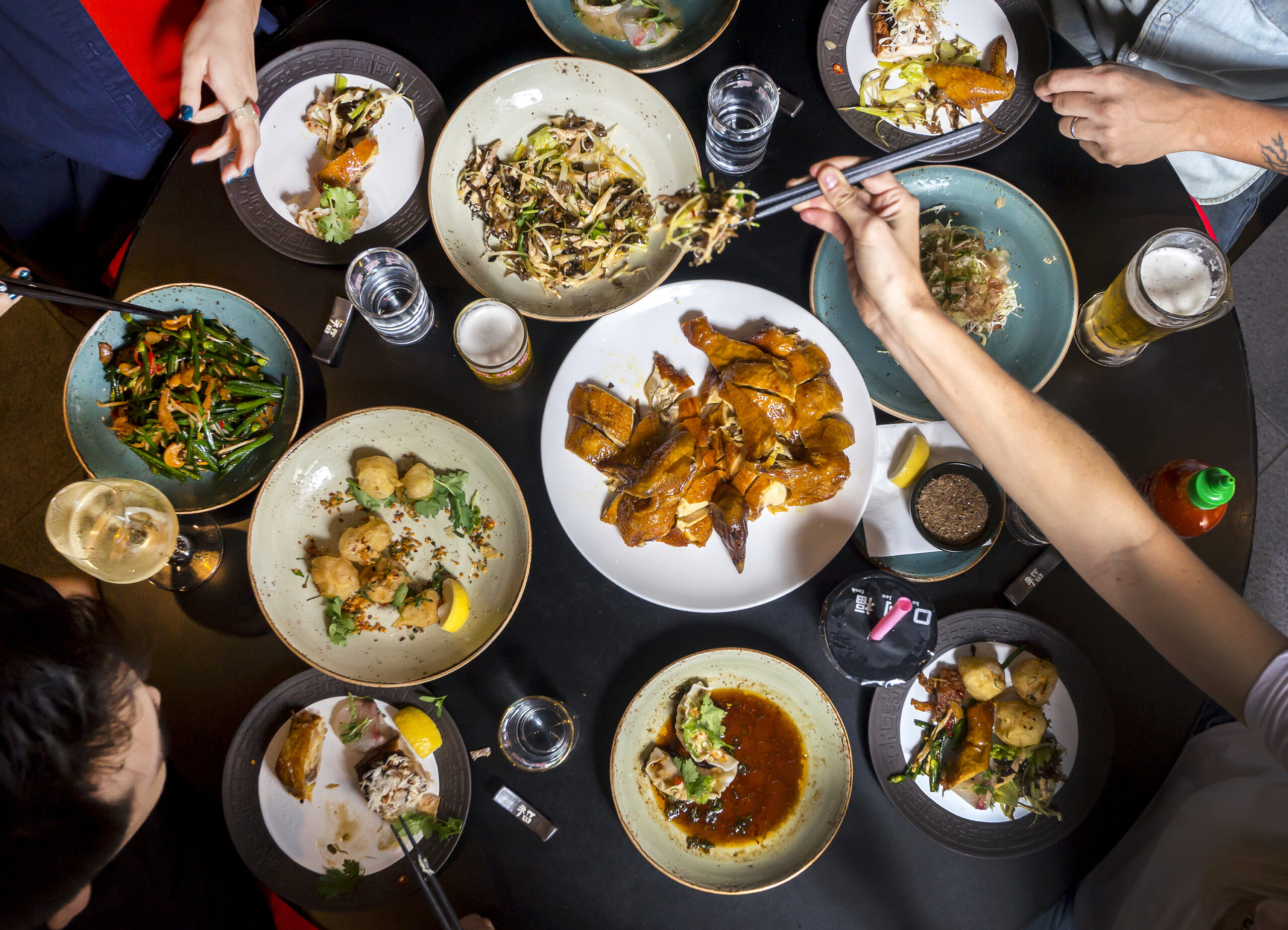
Generational shifts in dining preferences fundamentally challenge fine dining’s relevance. Millennials and Gen Z diners prioritize different values than previous generations. They seek authenticity, casualness, and value over formality and exclusivity.
A $300 tasting menu feels less appealing than multiple casual dining experiences offering greater variety and social flexibility.
Entertainment spending patterns have evolved dramatically, with younger consumers diversifying their leisure budgets across experiences that previous generations didn’t have access to. The allocation of discretionary income now spans streaming services, experiential travel, and digital entertainment platforms.
This shift in spending habits extends to online gaming and gambling, where platforms like vulkan vegas represent the growing sector of digital entertainment competing for the same discretionary dollars that once funded fine dining experiences.
Online casino platforms, sports betting sites, and gaming services now capture significant entertainment spending, particularly among younger demographics who view these as more accessible and flexible entertainment options than expensive restaurant reservations that require advance planning and formal settings.
The convenience factor cannot be overstated. Fine dining demands significant time investment — often 3-4 hours for a tasting menu — plus advance reservations weeks or months ahead.
Modern consumers increasingly value spontaneity and flexibility over ritualized experiences. A generation comfortable ordering Uber Eats while gaming or streaming finds the fine dining model’s rigidity unappealing.
The Post-Pandemic Reality
The pandemic permanently altered dining behaviors in ways particularly damaging to fine dining. While the industry has recovered overall, specific changes disproportionately affect upscale establishments.
Lasting pandemic impacts that continue affecting fine dining restaurants include behavioral and structural changes:
- Remote work normalization: Decreased business lunches and corporate dining events eliminated crucial weekday revenue that subsidized less profitable evening services
- Delivery culture entrenchment: Consumers became accustomed to restaurant-quality food at home, reducing the specialness of dining out for special occasions
- Casual comfort preferences: Extended home time increased comfort with casual attire and environments, making formal dining feel unnecessarily restrictive
- Financial uncertainty sensitivity: Economic instability makes consumers hesitant to commit $500-$1000 for two-person fine dining experiences
- Reservation flexibility expectations: Pandemic-era cancellation leniency created expectations for flexibility that fine dining’s deposit/prepayment models conflict with
The work-from-home revolution particularly impacts fine dining concentrated in business districts. Restaurants that relied on expense-account dinners and corporate events face permanently reduced customer bases as remote work remains prevalent.
Social Media and Authenticity Culture
Instagram and TikTok have paradoxically both helped and hurt fine dining. While social media provides free marketing, it has also democratized food knowledge and shifted what impresses diners. Younger consumers have seen so much beautiful plating online that it no longer justifies extreme pricing.
They’ve also been exposed to countless “hidden gem” casual restaurants, making exclusivity less appealing than accessibility.
The authenticity movement values “real” experiences over curated ones. Fine dining’s formality — dress codes, elaborate presentations, sommeliers — increasingly reads as pretentious rather than sophisticated.
A chef cooking exceptional food in a casual setting feels more authentic than the same chef in a formal environment, even if the food is identical.
Value perception has shifted dramatically. Paying $200 per person for a tasting menu feels excessive when viral TikTok videos show equally skilled chefs creating amazing dishes in casual settings for $30. Whether this perception is fair is irrelevant — the perception drives behavior.
The Evolution of Fine Dining
Fine dining isn’t dying — it’s evolving. The traditional model of formal service, expensive locations, and elaborate presentations is becoming obsolete, but chef-driven, high-quality dining persists in new forms.
Many celebrated chefs now open casual concepts alongside or instead of fine dining establishments, offering similar quality food without the formality and expense.
Pop-up restaurants and chef collaborations represent another adaptation. These temporary experiences generate excitement and urgency without the overhead of permanent locations.
Counter-service fine dining, where chefs interact directly with guests in casual environments, combines high-quality food with approachable service.
Some Michelin-starred restaurants are successfully pivoting to hybrid models — maintaining fine dining for those who value it while adding more casual options. This flexibility helps weather economic uncertainties and changing preferences.
The chefs and techniques of fine dining will survive, but the rigid traditional format is increasingly untenable. Recognize that the closure of prestigious restaurants reflects evolution rather than failure — the future of exceptional dining looks different than its past.
