

In a world where businesses depend on constant and fast connectivity, even short network problems can have serious consequences. Downtime interrupts workflows, disrupts communication, and will cost companies both time and money.
In order to stay resilient, enterprises are rethinking and reshaping their network strategies, and Fixed Wireless Access (FWA) has emerged as one of the strongest foundations for business continuity.
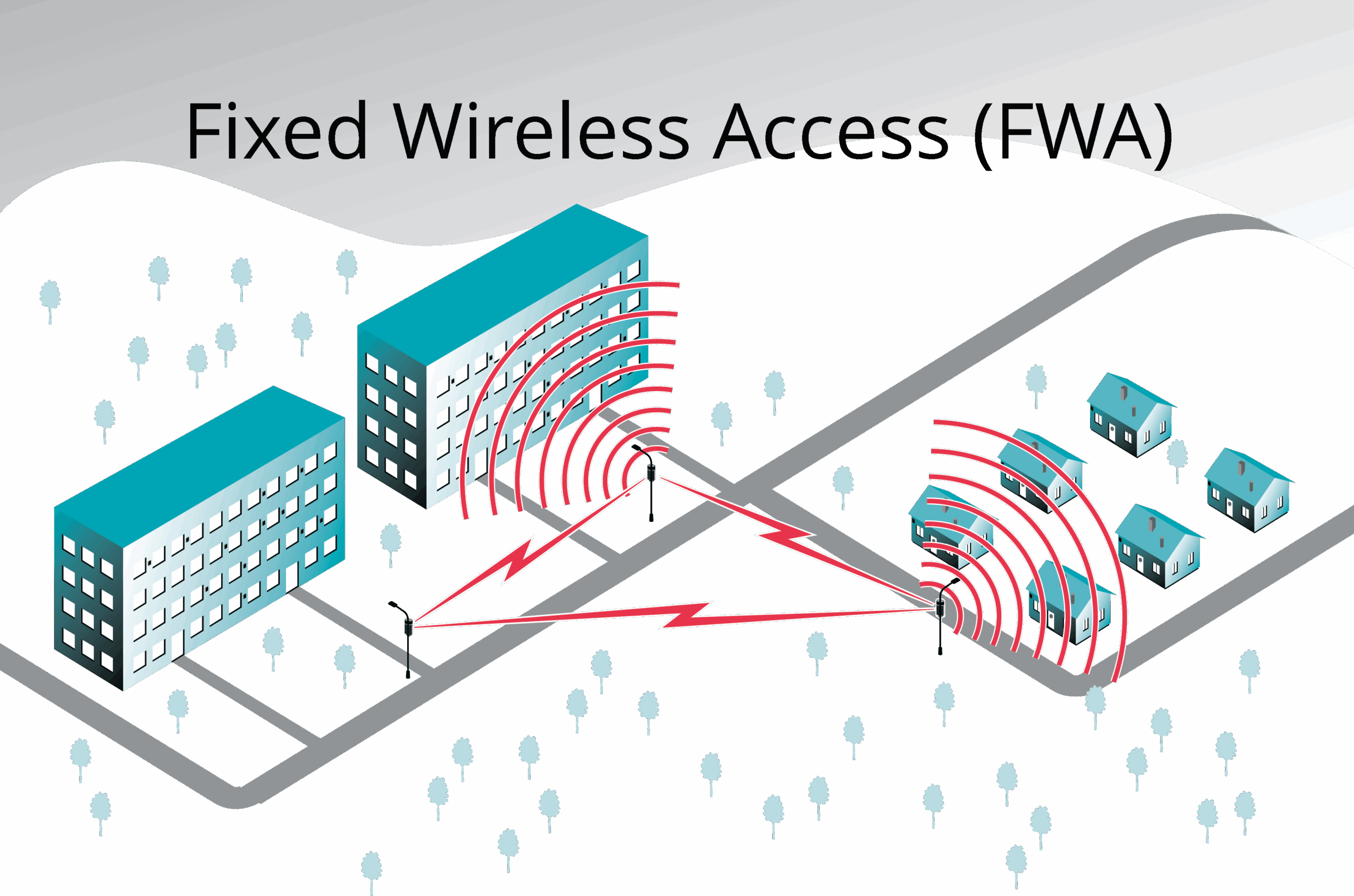
Unlike traditional connections that depend on physical cabling, FWA provides broadband access over cellular networks. As 5G coverage expands and network reliability increases, more organizations are choosing FWA to ensure stable and high-speed connectivity.
The Rising Importance of Network Resilience
Business continuity today is more than just backups. It’s about maintaining seamless connectivity at all times. Think of logistics centers that rely on real-time data or financial firms running cloud-based applications: reliable internet access is essential to keeping operations stable.
The Cost of Downtime
Studies show that even one hour of network downtime can result in significant revenue losses. But it’s not only about financial damage: companies risk losing customer trust and data integrity. As systems become more interconnected, the impact of a single disruption can be felt across departments, regions, and partners.
Why FWA Fits Modern Demands
FWA reduces the dependency on single fiber lines by offering a wireless layer of redundancy. By using multiple cellular carriers, network switching happens automatically (for example, if one connection fails). In all sorts of situations, such as cable breaks or local infrastructure outages, this flexibility allows business to stay online.
FWA as the Backbone of Redundant Network Architecture
Fixed Wireless Access provides scalable backups that are simple to integrate and fast to deploy. This helps businesses in every market, especially to build redundancy into different locations or remote sites.
Multi-Carrier Redundancy
With FWA, companies can configure their systems to connect through multiple cellular carriers. If one provider experiences downtime, another immediately takes over without disrupting the connection.
Automatic Failover
Advanced FWA routers and SD-WAN platforms can automatically detect network degradation and reroute traffic in real time. This process happens quickly (within seconds) and requires no manual work, ensuring constant uptime.
Fast Deployment and Scalability
Some traditional projects take months to complete, while FWA networks can be deployed within days. This rapid implementation is crucial for organizations that want to expand. Adding new locations or updating connectivity can be done through configuration rather than construction, which makes the entire process a lot more scalable.
Powering Business Continuity Through 5G FWA
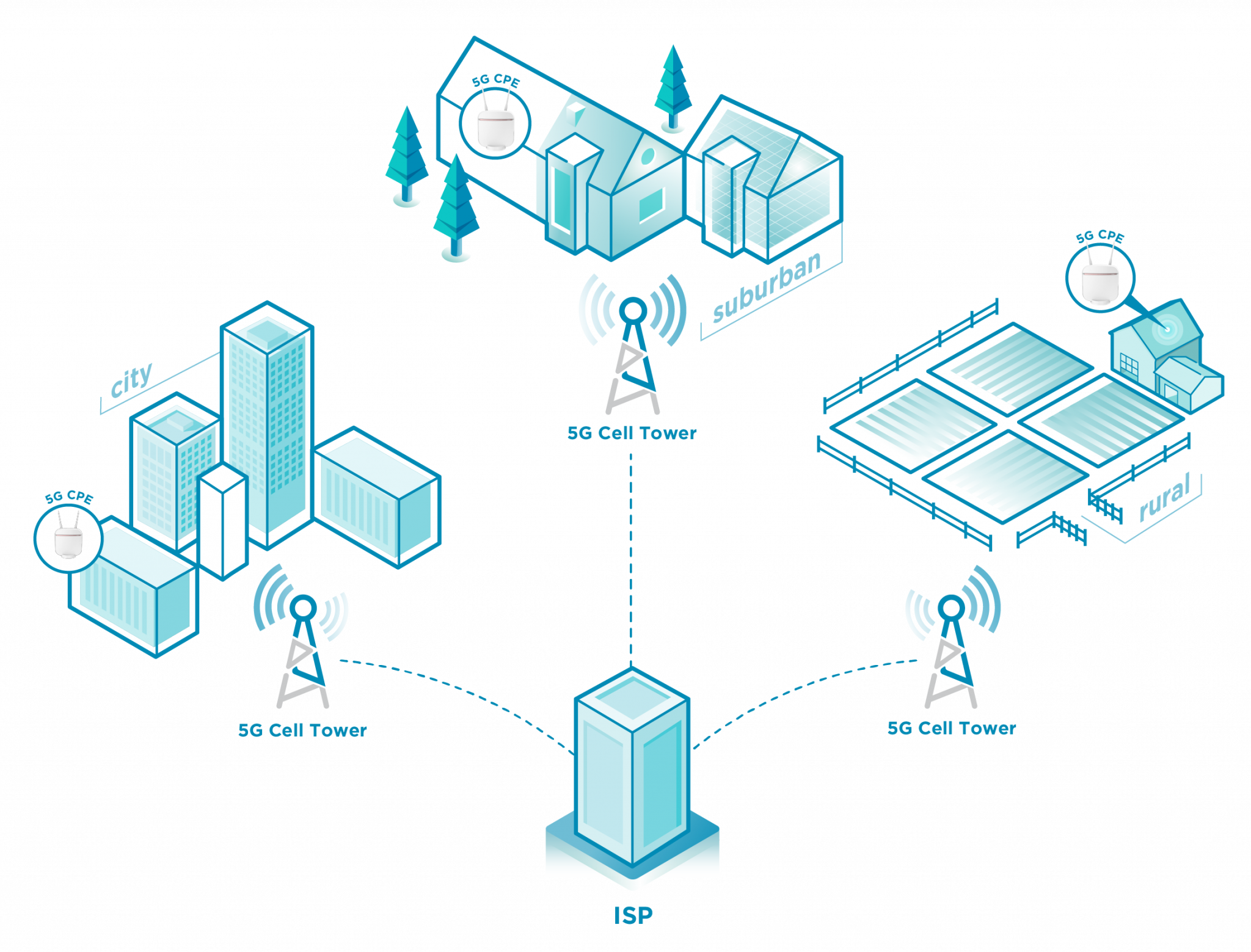
The rise of the 5G-technology has dramatically expanded what FWA can do. It ensures higher throughput, lower latency, and broader reach. 5G-based FWA delivers near fiber-grade performance while maintaining the agility of wireless connectivity.
Lower Latency
Modern business applications rely on real-time performance, which makes low latency essential. 5G Fixed Wireless Access supports these needs by providing stable, high-capacity connections with response times that rival traditional (wired) networks.
Reliable Backup for Cloud-Driven Operations
Cloud services are at the heart of most businesses today. When fiber networks fail, FWA ensures seamless access to cloud platforms, preventing interruptions to certain workflows and automatic processes.
Integration with SD-WAN and Private Networks
Many enterprises now pair FWA with SD-WAN or private LTE/5G systems. This combination offers unified management, advanced security, and intelligent routing.
Security and Continuity
Backup networks have to be fast, but also secure. This is a crucial part of connectivity and business continuity.
Encrypted and Segmented Connections
Enterprise FWA networks use encryption, private access, and segmentation to protect sensitive data. This helps companies maintain compliance with international standards such as GDPR and ISO.
Monitoring and Centralized Control
Real-time insight into network performance is made possible by Fixed Wireless Access solutions that are integrated with management platforms. This allows for the monitoring of connectivity, such as SIM usage and remotely allocating bandwidth.
FWA as a Cornerstone of Modern Connectivity
Modern enterprises simply cannot afford to leave connectivity to chance. Fixed Wireless Access is fully flexible and provides both the reliability and scalability to keep business online, even when there are certain challenges.
For businesses seeking dependable connectivity and true network resilience, it’s important to partner with experts in the FWA-field.
A leading example is FWA Provider DROAM, offering enterprise-grade solutions and tools that enable organizations to maintain business continuity. Connectivity is becoming more critical than ever, and Fixed Wireless Access stands out as the technology that businesses stay online.
