

Rising electricity prices have encouraged many homeowners to rethink how they power their homes. People want predictable monthly costs, fewer unexpected spikes, and a sense of control over their energy use. Smart power planning has become a practical approach for anyone hoping to reduce bills without sacrificing comfort. It involves understanding where energy goes, identifying realistic improvements, and choosing technology that offers long-term stability.
One of the biggest changes in the past decade is how accessible renewable energy options have become. Many people now consider solar panels when searching for ways to reduce their utility bills. They are no longer considered a niche investment, and they fit well into a homeowner’s broader energy strategy. Even so, smart planning goes far beyond adding new hardware. It starts with evaluating how a home functions day to day.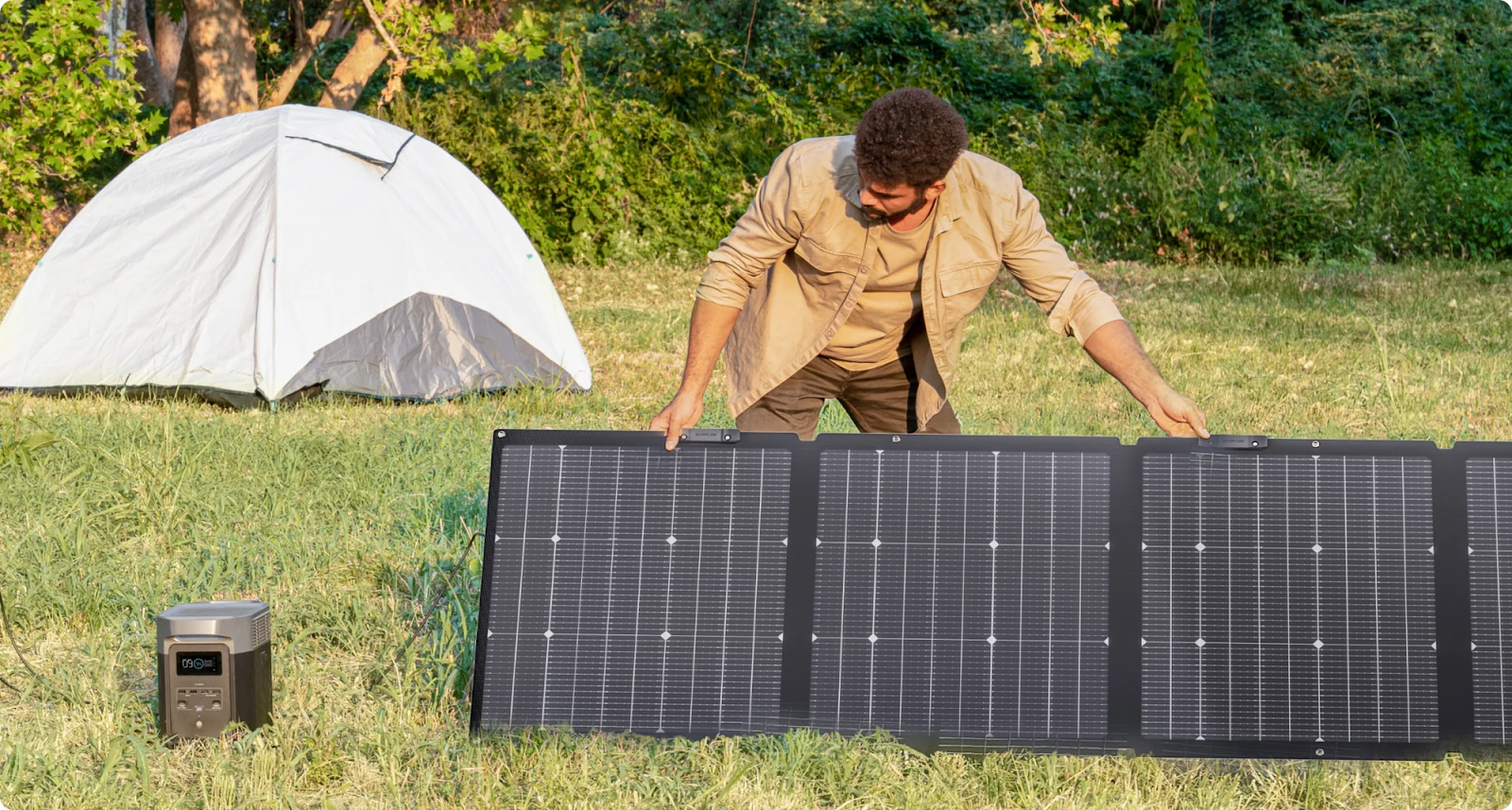
Understanding Your Current Energy Use
Every home has patterns that influence its monthly energy cost. Without understanding these patterns, choosing upgrades becomes guesswork. A good starting point is examining utility bills from the past year. Seasonal differences can reveal how much heating, cooling, and daily living habits affect consumption. Homeowners who track these variations usually find it easier to identify which areas need the most improvement.
Many homes experience energy waste in small ways that add up over time. Older appliances, aging insulation, drafty windows, and inefficient lighting can increase usage without homeowners realizing it. When people take the time to explore where their energy goes, they can make better decisions about future investments. Focusing on simple observations first often leads to greater savings later.
The Value of Improving Home Efficiency
Before adopting new energy technologies, boosting overall home efficiency creates a stronger foundation. Small improvements contribute directly to lower bills. For example, sealing air leaks keeps conditioned air inside, reducing the load on heating and cooling systems. Even moderate insulation upgrades can make a noticeable difference in monthly costs.
Lighting is another area worth revisiting. LED bulbs last longer and use significantly less electricity than older options. Replacing old bulbs is one of the easiest changes to make, and it often pays for itself quickly. Though the savings from each individual bulb may seem small, the results are substantial when applied throughout the house.
Appliance choices also play an important role. Devices such as refrigerators, washing machines, and water heaters operate daily, so their energy usage matters. Homeowners who gradually replace outdated appliances with more efficient models typically notice smoother power consumption and fewer unexpected jumps in their bills. This is part of what makes smart planning effective—efficiency upgrades and future technology work better when paired together.
Why Solar Energy Fits Into Smart Power Planning
As people search for ways to reduce long-term energy costs, solar energy remains an appealing solution. While the initial installation requires planning and budgeting, solar systems can significantly reduce reliance on local utilities. This helps protect homeowners from fluctuating energy prices.
Solar energy also complements many efficiency improvements. A home that uses energy wisely needs fewer panels to meet its needs. Homeowners who take steps to reduce waste often see faster returns from their solar investment. This approach turns solar from a standalone purchase into part of a broader, more effective plan.
Modern solar options make adoption easier. Many systems are designed for flexible installation, and their durability means low maintenance. When paired with smart power monitoring tools, homeowners gain more visibility into their daily consumption. Seeing how much energy they produce versus how much they use encourages better habits and offers peace of mind.
Combining Battery Storage With Smart Planning
A growing number of homeowners now explore energy storage as part of their energy strategy. Batteries store excess electricity generated during the day for use at night or during outages. This provides stability, especially in areas where the grid is less dependable or where peak-time pricing increases costs during certain hours.
Storage also makes solar power more practical for everyday use. Without a battery, solar energy is primarily daytime-focused. With storage, energy becomes available whenever it’s needed. This creates a smoother balance across the day, reducing dependence on utilities and lowering monthly expenses. It also adds security during storms or unexpected grid failures.
Homeowners appreciate that batteries can integrate with their existing systems. Storage doesn’t require major lifestyle changes, and it works quietly in the background. Having energy available at any moment improves the overall power plan and adds flexibility for future upgrades.
Using Smart Tools to Track and Control Energy Use
Technology has made it easier to understand energy habits in real time. Smart meters and home monitoring systems give detailed insights into consumption. They highlight which appliances draw the most power and identify unusual usage patterns. Some tools allow homeowners to set schedules, automate certain devices, or receive alerts when consumption spikes.
These insights encourage better choices. For example, homeowners may shift energy-intensive tasks—such as laundry or dishwashing—to lower-cost hours. Others may adjust thermostat settings after seeing how much heating or cooling affects their bill. Over time, these adjustments make power usage more predictable and reduce monthly expenses.
Smart tools also help people evaluate whether additional investments make sense. When homeowners monitor their usage before and after improvements, they gain a clearer picture of how each upgrade contributes to savings. This transparency turns smart planning into an ongoing process, not a one-time project.
Planning for Energy Needs Over the Long Term
As lifestyles change, so do energy demands. Growing families, remote work, new appliances, or electric vehicles can shift a home’s consumption significantly. Smart energy planning anticipates these changes instead of reacting to them. Homeowners who think ahead can prepare for future needs without overspending.
Looking ahead encourages people to consider flexible solutions. Solar energy and efficient appliances are examples of investments that stay relevant as energy demands evolve. Battery storage offers additional stability and room for expansion. When all these elements work together, homeowners can adapt to new habits without experiencing sudden increases in energy bills.
Another benefit of long-term planning is financial predictability. Homeowners who invest in reliable energy solutions often see more consistent monthly costs. This makes budgeting easier and reduces stress around seasonal spikes or unexpected rate changes.
Balancing Upfront Costs and Long-Term Benefits
Smart power planning involves thoughtful decision-making, especially when balancing short-term spending with long-term savings. Not every improvement needs to be made at once. Many homeowners choose a gradual approach—starting with efficiency upgrades, then expanding to solar or storage when the time is right.
Evaluating the return on investment helps guide the process. Improvements that offer immediate savings, such as sealing air leaks or upgrading insulation, are strong early steps. Larger investments, like solar systems, often provide lower bills over many years. When combined, these efforts create a more stable and predictable financial path.
It’s also important for homeowners to compare different options and choose solutions that match their lifestyle. Smart planning focuses on practical changes rather than trendy ones. The goal is to build a home that uses energy responsibly, cost-effectively, and in a way that stays adaptable.
Making Smarter Choices for a More Comfortable Home
Reducing energy bills doesn’t have to involve complex systems or major renovations. Thoughtful choices—supported by good information and long-term planning—create meaningful results. Homeowners who evaluate their needs, improve efficiency, and consider renewable options gain more confidence in their energy management.
Smart power planning helps people take control of their home’s comfort and financial stability. As energy costs continue to shift, having a reliable, well-structured plan creates a sense of security. Whether a homeowner starts with small improvements or explores larger investments, the path to lower bills is clearer when guided by a practical, user-focused approach.
