

Varicose veins, those often painful and unsightly bulges, affect millions of people worldwide. They aren’t just a cosmetic issue; they can also signal underlying health problems that deserve proper attention.
With expert clinics like Metro Vein Centers offering advanced vein care, there are now more effective options than ever for diagnosis and treatment. In this guide, we’ll investigate what varicose veins are, explore their causes and symptoms, and outline modern treatment options.
By understanding this condition better, we can take proactive steps toward effective varicose vein management and long-term relief.
Understanding Varicose Veins
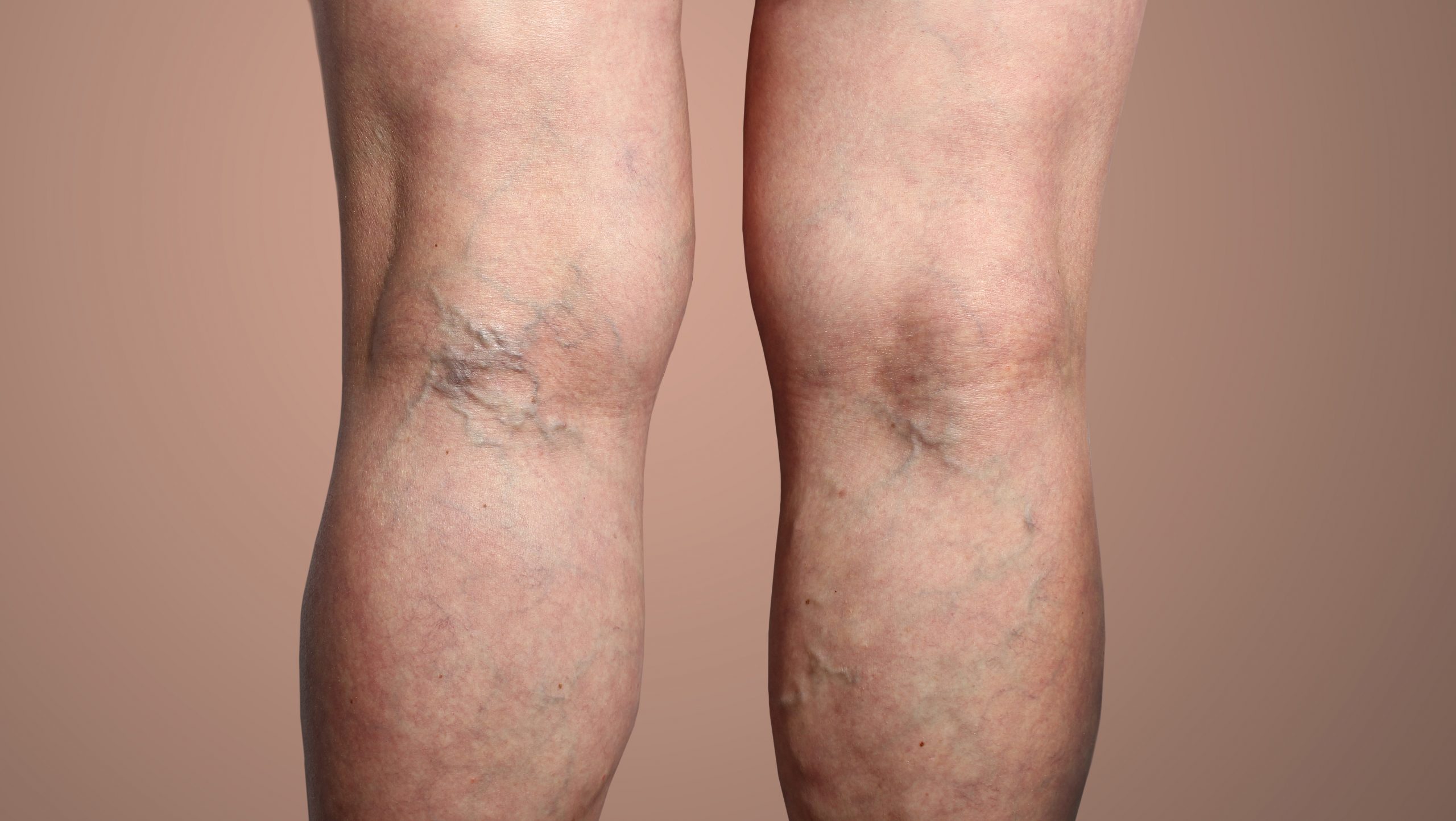
Varicose veins develop when blood vessels become enlarged, twisted, and overfilled with blood. This condition primarily affects the veins in our legs and feet. But what causes these veins to become varicose? Let’s look closer.
Causes of Varicose Veins
The primary cause of varicose veins is the malfunctioning of valves within our veins. When these valves weaken, blood can pool in the veins rather than flowing back to the heart.
Other significant causes include aging, pregnancy, hormonal changes, and genetic predisposition. Also, standing or sitting for extended periods can contribute to the problem, as it increases pressure on the veins.
Symptoms to Look Out For
The symptoms of varicose veins can vary, but often include:
- Swelling in the legs
- Aching or heavy feeling in the legs
- Itching around the affected veins
- Skin discoloration near the veins
In more severe cases, they could lead to ulcers or blood clots, making it essential to recognize the symptoms early.
Risk Factors Involved
We need to consider certain risk factors that can increase our likelihood of developing varicose veins. Age is a significant factor: the older we get, the more our veins weaken.
Gender also plays a role, as women tend to develop varicose veins more than men, often due to hormonal changes during pregnancy or menopause. Other risk factors include obesity, a sedentary lifestyle, and a family history of the condition.
Treatment Options for Varicose Veins
When it comes to managing varicose veins, several treatment options are available depending on the severity of the condition.
Home Remedies and Lifestyle Changes
Before jumping into medical treatments, we can often find relief through simple home remedies and lifestyle adjustments. Some effective strategies include:
- Exercise: Regular physical activity can improve blood circulation and strengthen veins.
- Compression Stockings: Wearing these can help reduce swelling and discomfort by promoting better blood flow.
- Weight Management: Losing excess weight relieves pressure on the veins.
- Elevating Legs: Elevating our legs can help diminish the pooling of blood and reduce swelling.
Minimally Invasive Procedures
For those who may require more than lifestyle changes, minimally invasive procedures can effectively treat varicose veins. Options include:
- Sclerotherapy: This involves injecting a solution into the vein, causing it to scar and close.
- Endovenous Laser Treatment (EVLT): A laser is used to heat and close the varicose vein. This procedure typically requires only local anesthesia and has a short recovery time.
- Radiofrequency Ablation: A catheter is inserted into the vein, emitting radiofrequency energy to close the vein.
These options usually have minimal recovery time and are less painful than traditional surgery.
Surgical Treatment Options
- Ligation and Division: In more severe cases, this surgical option can be considered. It is tying off the vein to prevent blood flow through it, causing it to shrink and become less noticeable.
While surgery is effective, it may come with longer recovery times and is usually considered when other treatments have failed.
Post-Treatment Care and Recovery
After undergoing treatment for varicose veins, proper care is essential for optimal recovery. Here are some guidelines to keep in mind:
- Follow-Up Appointments: Attending follow-up visits ensures our progress is monitored.
- Gradual Return to Activities: While we might be eager to return to our regular routines, it’s vital to give our bodies time to heal. Gradually reintroducing physical activity can help.
- Wear Compression Garments: Continuing to use compression stockings post-treatment can prevent new varicose veins from forming and aid recovery.
- Observe for Symptoms: Keeping an eye on any unusual symptoms, such as excessive swelling, redness, or pain, should prompt us to seek medical advice.
Preventing Varicose Veins in the Future
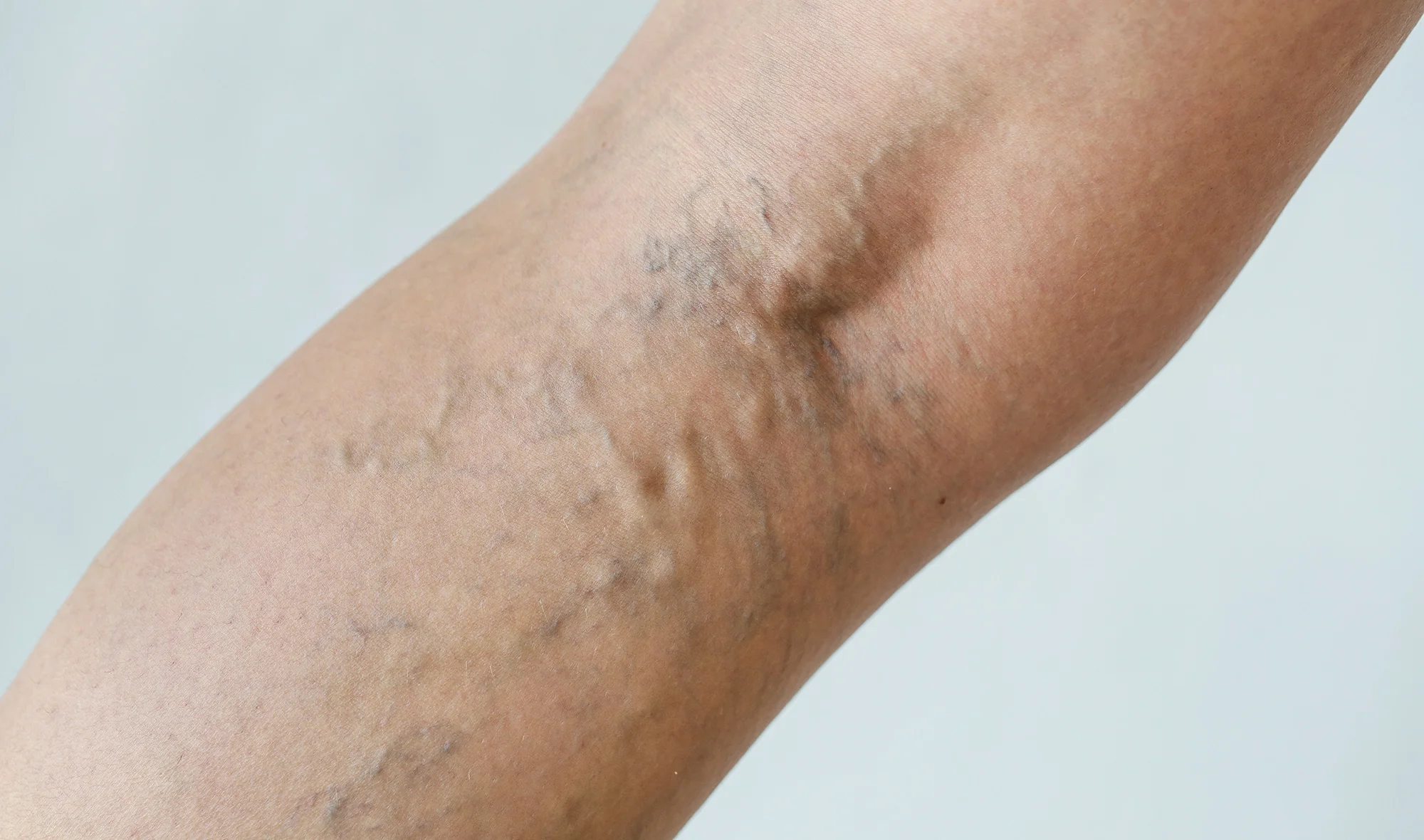
Prevention is key to minimizing the risk of developing new varicose veins or worsening existing ones. We can incorporate these practices into our daily lives:
- Stay Active: Regular exercise is crucial; even short walks can make a difference.
- Manage Weight: Maintaining a healthy weight reduces excess pressure on our veins.
- Avoid Prolonged Sitting or Standing: If our jobs require us to sit or stand for long periods, taking breaks to move around can help.
- Nutrition and Hydration: A healthy diet rich in fiber and staying hydrated can promote healthy blood flow.
When to Seek Medical Advice?
We should be attentive to our bodies and seek medical advice when we notice worsening symptoms or new changes. Here are some situations that warrant a visit to a healthcare provider:
- Severe Pain or Discomfort: If the pain becomes unbearable or interferes with our daily activities, it’s time to consult a specialist.
- Changes in Skin Color or Texture: Any discoloration or changes in skin condition near varicose veins can indicate complications.
- Swelling: Sudden swelling in the legs can signal a blood clot, which is a medical emergency.
Recognizing these warning signs early can make a difference in treatment outcomes.
Conclusion
Managing varicose veins effectively involves understanding the condition, exploring treatment options, and implementing preventive measures.
By acknowledging the symptoms and acting promptly, we can improve not just the appearance of our legs but also our overall well-being. Remember, taking proactive steps today can lead to a healthier future.
