

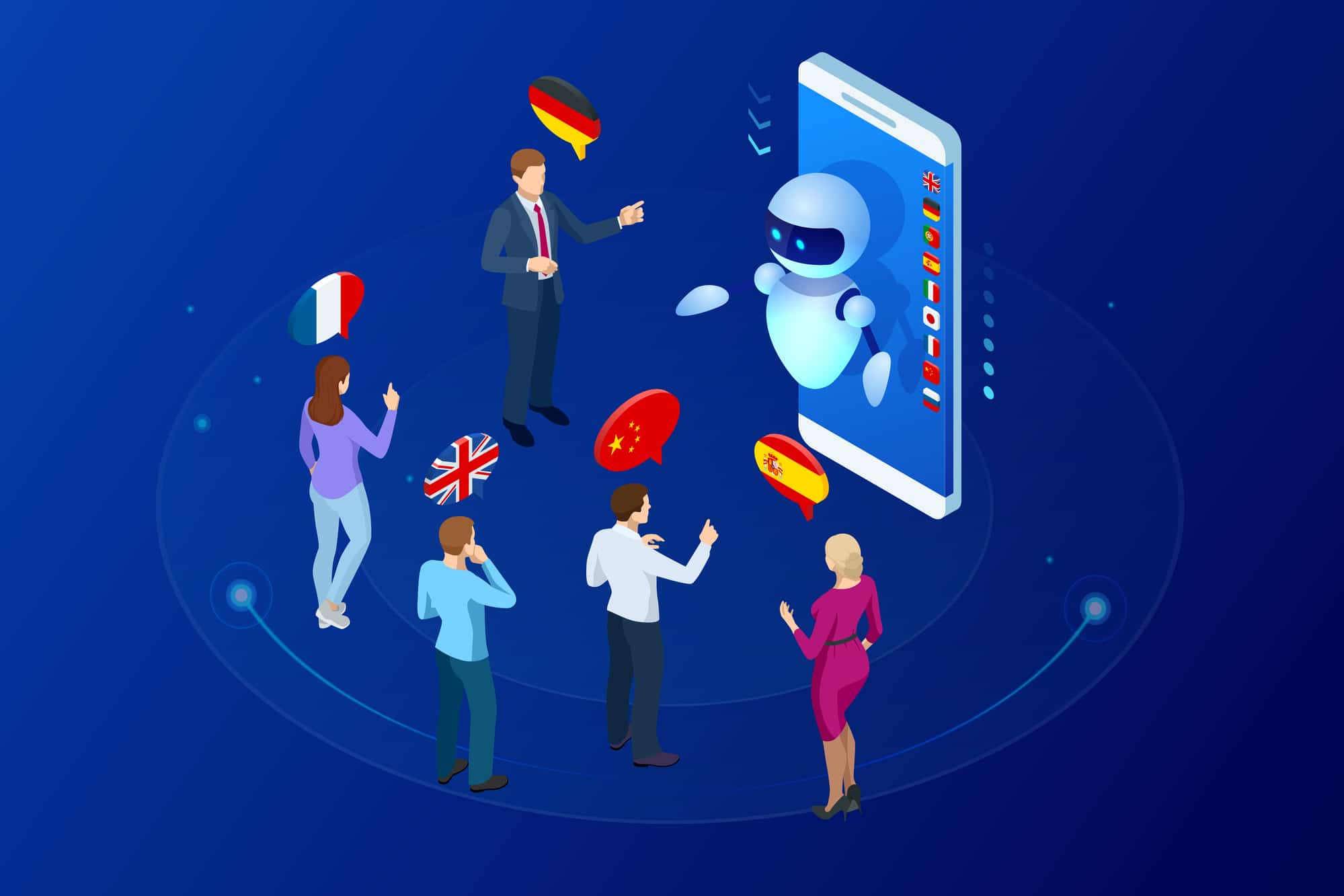
Streaming has always been about connection. It’s that unique, real-time bond between a creator and an audience that turns a simple broadcast into a community.
But for a long time, that community was limited by a very physical wall: language. If you spoke English, you mostly reached English speakers. If you spoke Japanese, your world was often contained within that linguistic bubble.
Honestly, it used to feel like we were all shouting into our own separate rooms.
AI interpreters are changing that dynamic entirely. They’re moving from being a futuristic novelty to a practical tool that helps creators level up their content and reach a global scale without needing to be a polyglot.
Have you ever wondered how many people might be interested in your content if they could actually understand what you’re saying?
The Shift from Static to Dynamic Translation
In the early days of the internet, translation was clunky. You’d copy a block of text, paste it into a search engine tool, and hope the result made sense.
In a live streaming environment, that kind of friction is a growth killer. Live content thrives on immediacy. If a viewer asks a question in the chat and you’ve got to stop everything to translate it, the energy of the room just drops. You know that feeling when the momentum just vanishes?
AI interpreters have evolved to handle the velocity of live video. These tools now process speech in real time, turning spoken words into text or even a synthetic voice in another language with almost no delay.
This means you can speak your native tongue while viewers across the ocean see accurate subtitles in theirs. It isn’t just about translating words; it’s about translating the moment.
Expanding Your Global Footprint
The most obvious benefit of using an AI interpreter is the immediate expansion of your potential audience. The gaming and entertainment markets in regions like Latin America, Southeast Asia, and Europe are massive.
And that is a lot of potential fans.
By offering real-time interpretation, you’re essentially putting out a welcome mat for millions of people who previously felt excluded from your channel.
You know, I guess I never realized how small my world felt until I saw a chat message in a language I didn’t recognize. When a viewer stumbles upon a stream and sees that the creator has gone through the effort of providing live translations, it creates an instant sense of value.
It shows that you care about their experience. Instead of clicking away because they can’t understand the context, viewers stay. They stay because they can follow the story, the strategy, or the joke.
Enhancing Accessibility and Inclusion
Beyond just reaching more countries, AI interpreters play a massive role in basic accessibility. For viewers who are d/Deaf or hard of hearing, real-time transcription is a necessity, not a luxury. AI tools provide a level of accuracy and speed that traditional closed captioning often struggles to match in a live setting.
But what does inclusion really look like for your brand?
Inclusion is a powerful brand builder. When your stream is accessible, you foster a culture of belonging. People want to support creators who make space for everyone.
By using these tools, you aren’t just “leveling up” your numbers; you’re leveling up the quality of your community. And that’s the point. You’re building a space where the only requirement for entry is a shared interest, not a specific primary language.
Improving Streamer Focus and Content Quality
One of the hidden perks of using AI interpreters is how it frees up your mental bandwidth. Before these tools became accessible, streamers who wanted to engage with an international audience often had to manually translate their own thoughts or rely on moderators to bridge the gap.
That’s exhausting. I’ve been there, staring at a screen at 2 AM, trying to figure out a phrase while my gameplay suffers.
When the technology handles the heavy lifting of translation, you can focus on what you do best: being entertaining.
You can lean into your personality, focus on your gameplay, or dive deep into a complex topic, knowing that the AI is translating your nuance correctly. This leads to a more polished, professional broadcast.
It lets you stay in the zone.
The Power of Real-Time Interaction
The “holy grail” of streaming is engagement. We know that the more a streamer interacts with chat, the more loyal that chat becomes.
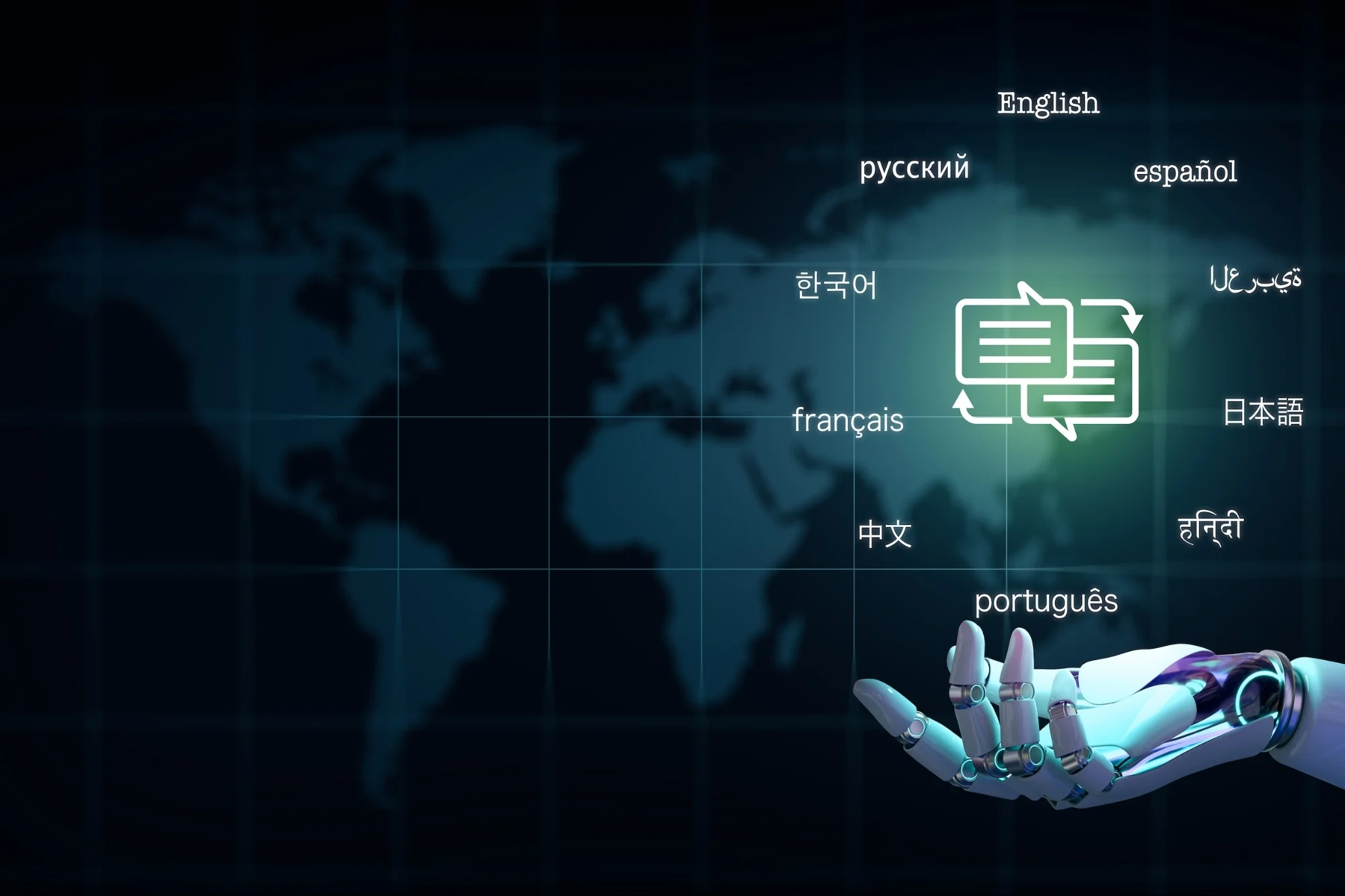
AI interpreters allow for a two-way street. Some advanced tools can translate chat messages for the streamer in real time, allowing them to respond to a fan in a language they don’t even speak.
Imagine a French viewer asking a technical question in a stream hosted by a Korean creator. The AI translates the question into Korean for the creator, who answers in Korean, which the AI then translates back to French for the viewer.
That level of interaction was science fiction ten years ago. Today, it’s a competitive advantage. Maybe it feels a bit weird at first, but the connection is real. It turns a passive viewer into an active participant.
Future-Proofing Your Brand
The digital landscape is moving toward a post-language era. As AI models become more sophisticated, the “uncanny valley” of translation is disappearing.
The voices sound more natural, the grammar is more precise, and the slang is better understood. By adopting these tools now, you’re positioning yourself ahead of the curve.
Creators who ignore these advancements risk being left behind in a localized corner of the internet. Meanwhile, those who embrace AI interpretation are building global brands.
They’re creating content that is “language agnostic.” Basically, the value of the content transcends the specific words spoken.
Choosing the Right Tools for the Job
Not all AI interpreters are created equal. When looking to level up your stream, you need to consider latency, accuracy, and ease of integration.
Many of these tools now plug directly into popular streaming software, making the setup process relatively painless. You want a tool that doesn’t hog your CPU but still delivers high-quality results.
It’s also worth looking for tools that offer customization. Can you change the font of the subtitles to match your stream’s aesthetic?
Can you choose different dialects? The more the tool blends into your existing production, the more authentic it’ll feel to your audience.
The Human Element
At the end of the day, AI is just a bridge. The destination is still a human connection. An AI interpreter can get the words across, but the streamer still has to provide the heart.
The technology removes the barrier, but the creator provides the reason for people to cross it. It’s about the hum of the laptop, the glow of the monitor, and the person on the other side.
When you combine the efficiency of AI with the authenticity of a passionate creator, you get a stream that truly has no borders.
