

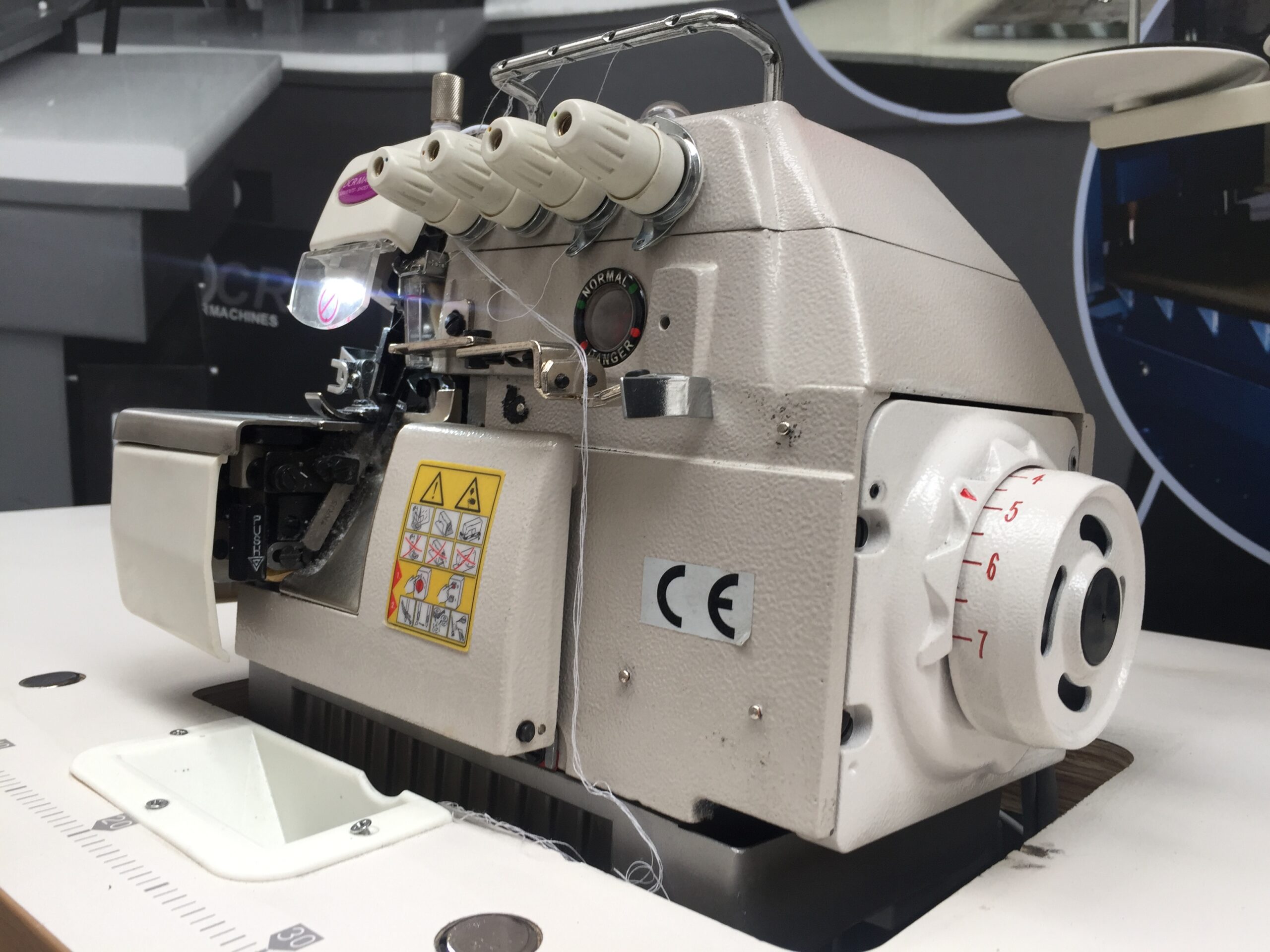
Industrial overlock sewing machines are essential tools in modern garment, textile, and upholstery manufacturing. Designed for speed, durability, and professional seam finishing, these machines simultaneously sew, trim, and overcast fabric edges in a single operation.
Businesses that work with heavy fabrics and furniture coverings often combine overlock machines with specialized industrial upholstery sewing machines to achieve strong, clean, and long-lasting seams across a wide range of materials.
Understanding Industrial Overlock Sewing Machines
An industrial overlock sewing machine, often referred to as a serger, is a high-speed machine specifically designed to prevent fabric edges from fraying while creating durable and professional-looking seams.
Unlike conventional sewing machines that use a bobbin and typically perform one stitching function at a time, overlock machines use multiple threads and loopers to sew, trim excess fabric, and finish the edge simultaneously. This combination significantly improves production efficiency and seam quality.
Industrial overlock machines are commonly used in apparel manufacturing, sportswear production, home textiles, upholstery work, and other high-volume sewing environments.
Their ability to create strong, flexible seams makes them especially valuable when working with knit fabrics and stretch materials.
How Industrial Overlock Machines Work?
The machine feeds fabric through a set of needles, loopers, and a built-in cutting knife. As the material moves forward, the knife trims the edge while multiple threads interlock around the fabric edge. This process creates a secure seam that resists unraveling and provides a clean, professional finish.
Most industrial overlock machines operate at speeds ranging from 5,000 to 9,000 stitches per minute, allowing manufacturers to maintain high productivity while ensuring consistent stitch quality.
Common Types of Overlock Stitches
3-Thread Overlock
A lightweight stitch commonly used for edge finishing on woven fabrics. It provides effective protection against fraying while minimizing bulk.
4-Thread Overlock
A stronger stitch that combines an overlock edge with a safety seam. It is widely used for knitwear, activewear, and garments that require stretch and durability.
5-Thread Safety Stitch
This stitch combines chain stitching with overlocking, producing highly durable seams suitable for workwear, denim, and mass-produced garments.
Rolled Hem
A decorative and functional stitch used to create narrow hems on lightweight fabrics, scarves, lingerie, and decorative textile products.
Key Features of Industrial Overlock Sewing Machines
High-Speed Operation
Industrial overlock machines are built for continuous production and can operate significantly faster than domestic sewing machines. This speed improves efficiency and reduces manufacturing time.
Built-In Edge Trimming
The integrated knife automatically trims excess fabric while sewing, eliminating the need for separate cutting operations.
Differential Feed System
Many industrial models include differential feed mechanisms that help prevent stretching, puckering, or distortion when sewing knit and delicate fabrics.
Multiple Thread Configurations
Depending on the application, operators can choose from different thread setups to achieve the desired seam strength, flexibility, and appearance.
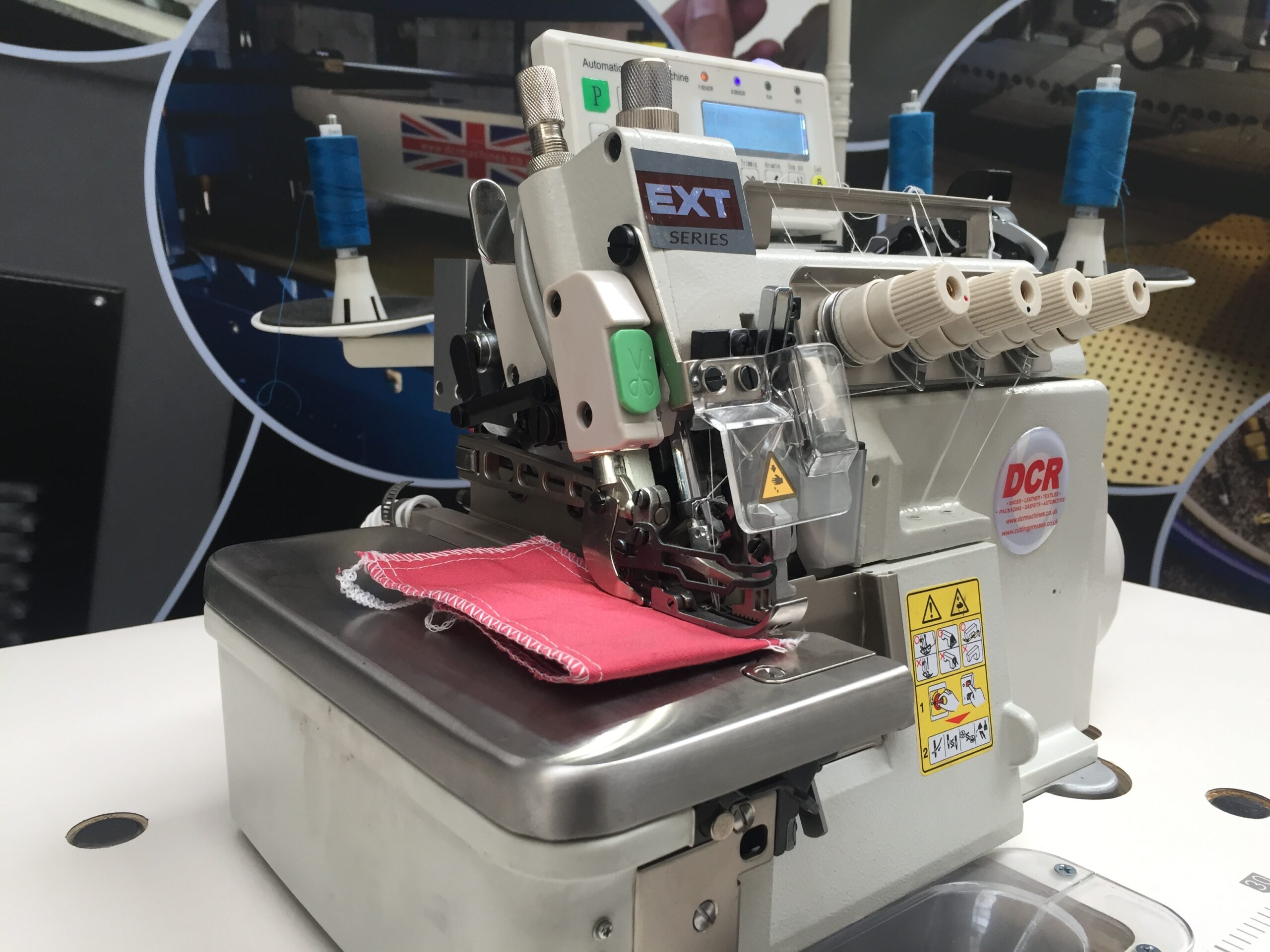
Applications of Industrial Overlock Machines
Industrial overlock sewing machines are used across numerous industries, including:
- Garment manufacturing
- Sportswear production
- Upholstery and furniture fabrication
- Home textiles and linens
- Lingerie manufacturing
- Knitwear production
- Automotive interiors
- Technical and industrial textiles
Their versatility makes them one of the most important machines in any professional sewing operation.
Benefits of Using Industrial Overlock Machines
Improved Seam Quality
Overlock stitching creates neat, professional edges that enhance product appearance and durability.
Increased Productivity
The ability to cut, sew, and finish in one pass dramatically reduces production time.
Reduced Fabric Fraying
The overlock stitch securely encloses raw fabric edges, preventing unraveling during use and washing.
Enhanced Durability
Multi-thread seam construction provides greater strength than many traditional sewing methods.
Better Performance on Stretch Fabrics
Overlock seams maintain flexibility, making them ideal for knitwear and performance garments.
Choosing the Right Industrial Overlock Machine
When selecting an industrial overlock machine, consider factors such as fabric type, production volume, stitch requirements, thread configuration, and motor performance.
Manufacturers working with heavy materials may benefit from pairing an overlock machine with specialized upholstery equipment to handle thicker fabrics and demanding applications efficiently.
Conclusion
Industrial overlock sewing machines are indispensable for manufacturers seeking speed, consistency, and professional seam finishing.
By simultaneously trimming, sewing, and overcasting fabric edges, these machines deliver superior efficiency and durability compared to conventional sewing methods.
Whether used in garment factories, upholstery workshops, or textile production facilities, industrial overlock machines play a critical role in creating high-quality products that meet modern manufacturing standards.
