

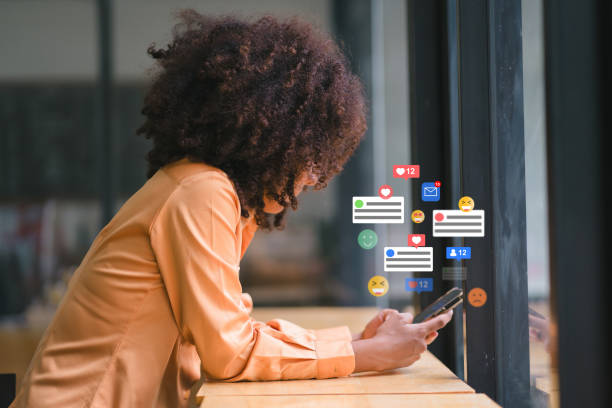
Social media was once built around the excitement of constant connection. People could post instantly, follow conversations in real time and keep up with friends, creators and brands from almost anywhere.
That always-on model is starting to feel less attractive.
More users are questioning whether being permanently available online actually improves their experience. Posting fatigue, notification overload and the pressure to keep up with endless updates are encouraging people to become more selective about where they spend attention.
Constant visibility can become exhausting
The original appeal of social media was simple. It made communication faster and more accessible.
Over time, that simplicity changed.
Users began managing several platforms at once, each with different formats, trends and expectations. A person might share photos in one place, short videos in another and professional updates somewhere else.
What once felt spontaneous can start to feel like maintenance.
There is also the pressure of visibility. Social platforms reward frequent activity, which can encourage users to post even when they have little to say.
For creators and small businesses, this can become especially demanding because staying visible often feels tied to staying active.
The result is a strange contradiction.
People use social media to feel connected, yet the constant requirement to check, respond and publish can make the experience feel more like work.
That is why quieter digital habits are becoming more appealing.
People are becoming more selective with online time
Users are not abandoning digital platforms altogether.
They are becoming more deliberate.
Someone may still use social media every day but turn off most notifications. Another person may keep an account active while posting only occasionally.
Some users prefer smaller group chats, private communities or platforms where they can follow specific interests without feeling pressure to perform publicly.
This shift is important because it changes how people discover content too.
Instead of endlessly scrolling through general feeds, users may choose platforms for a clear purpose.
That can apply to entertainment, shopping and gaming.
A Greek user looking for information about wagering platforms, for example, may prefer comparing the best betting sites greece through a focused resource rather than relying on random recommendations appearing in a social feed.
The wider point is that people increasingly value relevance over volume.
They do not necessarily want more content. They want content that feels useful enough to justify their attention.
Posting fatigue is changing brand behaviour
Brands are noticing the same pattern.
For years, many marketing strategies were built around frequency. Post regularly, stay visible and keep filling the content calendar.
That approach becomes less effective when audiences are already overwhelmed.
More companies are starting to focus on fewer, stronger posts rather than trying to maintain a constant stream of activity. The goal is shifting from presence for its own sake toward communication that has a clear reason to exist.
That can mean:
- publishing less frequently but with more useful information
- creating content designed for specific communities
- using email or direct channels alongside social media
- prioritising conversations over impressions
- giving audiences more control over how often they hear from a brand
This does not mean social media is becoming unimportant.
It means attention is becoming harder to earn.
Brands that post simply because the calendar says they should can quickly become part of the background noise.
Private communities are becoming more attractive
One of the most interesting reactions to always-on social media is the growth of smaller, more private digital spaces.
Group chats, specialist communities and membership-based platforms can feel more manageable because they usually have clearer boundaries.
Users know why they are there.
A large public feed can mix politics, entertainment, personal updates, advertising and breaking news in a matter of seconds. A smaller community tends to stay focused on one shared interest.
That focus creates a different kind of engagement.
People may participate less often, but the conversations can feel more relevant.
This is particularly important for hobby-based communities. Gaming, fitness, technology and finance all have audiences that often prefer specialised spaces where discussion is deeper and less performative.
The appeal is not necessarily privacy in the strict technical sense.
It is control.
Users can decide which communities deserve their attention instead of allowing a general-purpose feed to decide for them.
Digital wellbeing is becoming part of product design
Technology companies are also responding to growing concern around screen time and notification fatigue.
Features such as activity reminders, focus modes and notification controls are becoming more common across devices and apps.
These tools acknowledge a basic reality: engagement is not always the same as satisfaction.
A platform can keep someone scrolling for an hour without leaving them feeling particularly good about the experience.
That difference matters.
The next phase of digital product design may place more value on useful sessions rather than endless ones. People might prefer an app that helps them complete something quickly instead of one that constantly tries to keep them inside the platform.
This can be good for trust.
When users feel they are in control of their attention, they may be more comfortable returning.
Social media is becoming more intentional
The always-on era is not ending because people suddenly dislike social media.
It is changing because users are becoming more aware of the cost of constant connectivity.
Attention is limited. So is leisure time.
People are beginning to treat both as resources worth protecting.
That does not mean logging off permanently. It means choosing when to engage, which platforms deserve attention and when silence is more valuable than another notification.
Social media will remain an important part of digital life, but the most sustainable version may be one that asks less from users.
For many people, being connected will still matter. Being connected all the time may not.
