

If you’re in the market and searching for a way to secure exceptional value on a luxury vehicle, the idea of buying a used Lexus at auction in the USA deserves your attention.
Modern tools such as stat.vin help decode vehicle history and reduce the guesswork, allowing even international buyers to participate in auctions with confidence.
With the right preparation and a clear bidding strategy, finding a high-quality Lexus becomes not just possible, but surprisingly accessible.
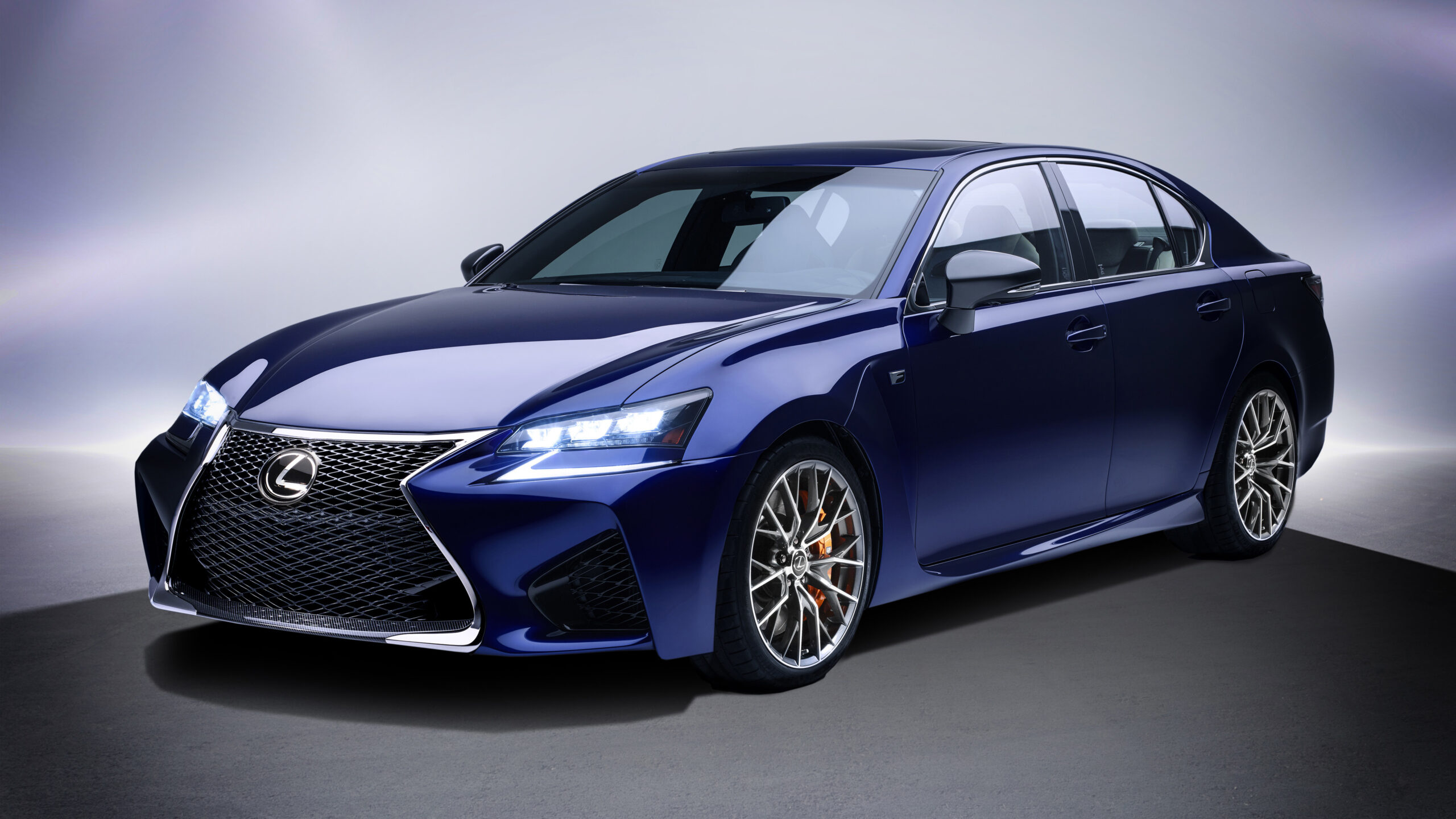
Why a Used Lexus at Auction Can Be a Smart Move?
The Lexus brand has built a reputation around long-term reliability, exceptional build quality, and smooth driving dynamics. This combination makes pre-owned Lexus vehicles particularly attractive in the auction environment.
Many models — RX, ES, GX, LS, and IS — often maintain mechanical integrity well above 150,000 miles, meaning that even higher-mileage auction units can still represent strong value when evaluated properly.
U.S. auctions offer several advantages over the retail market. First, the variety is immense: inventory rotates quickly, so new Lexus vehicles enter the auction flow every day.
Second, the prices are often significantly lower because auctions are designed for quick turnover, not retail margins.
Third, certain Lexus vehicles appear at auction due to lease returns, minor insurance claims, corporate fleet updates, or repossessions — none of which necessarily indicate poor condition.
This environment creates opportunities for informed buyers who understand how to analyze listings, compare similar trims, and estimate fair market value.
A Lexus purchased at auction for 20–30% below retail can remain a dependable long-term purchase with proper due diligence.
Preparing for the Auction: What to Know Before You Bid
Successful auction buying begins long before the actual auction date. This stage is all about preparation: identifying your target model, understanding market prices, learning auction terminology, and mapping out your financial boundaries.
Start by narrowing your search: which Lexus model suits your needs?
- The RX offers comfort and family-friendly practicality
- The ES provides quiet, refined city driving
- The IS is sporty and compact
- The GX and LX provide off-road capability with luxury
Once you know the model, evaluate three key factors: average mileage, common issues for that generation, and typical auction selling prices. The latter helps you avoid emotional bidding, which is a common trap even for experienced buyers.
Understanding Vehicle History and Title Issues
Auction listings often include quick descriptions, but these are not substitutes for a proper VIN check. Every Lexus at auction should be checked through verified tools like stat.vin to uncover:
- Previous accidents
- Odometer rollbacks
- Service gaps
- Insurance claims
- Flood or fire damage
- Title branding: clean, salvage, rebuilt, lemon, or flood
Title status heavily affects long-term value. A Lexus with a salvage title may be mechanically sound but harder to sell later.
For international buyers, salvage titles may also complicate import processes depending on local regulations. Understanding the full story behind the car prevents surprises after the purchase.
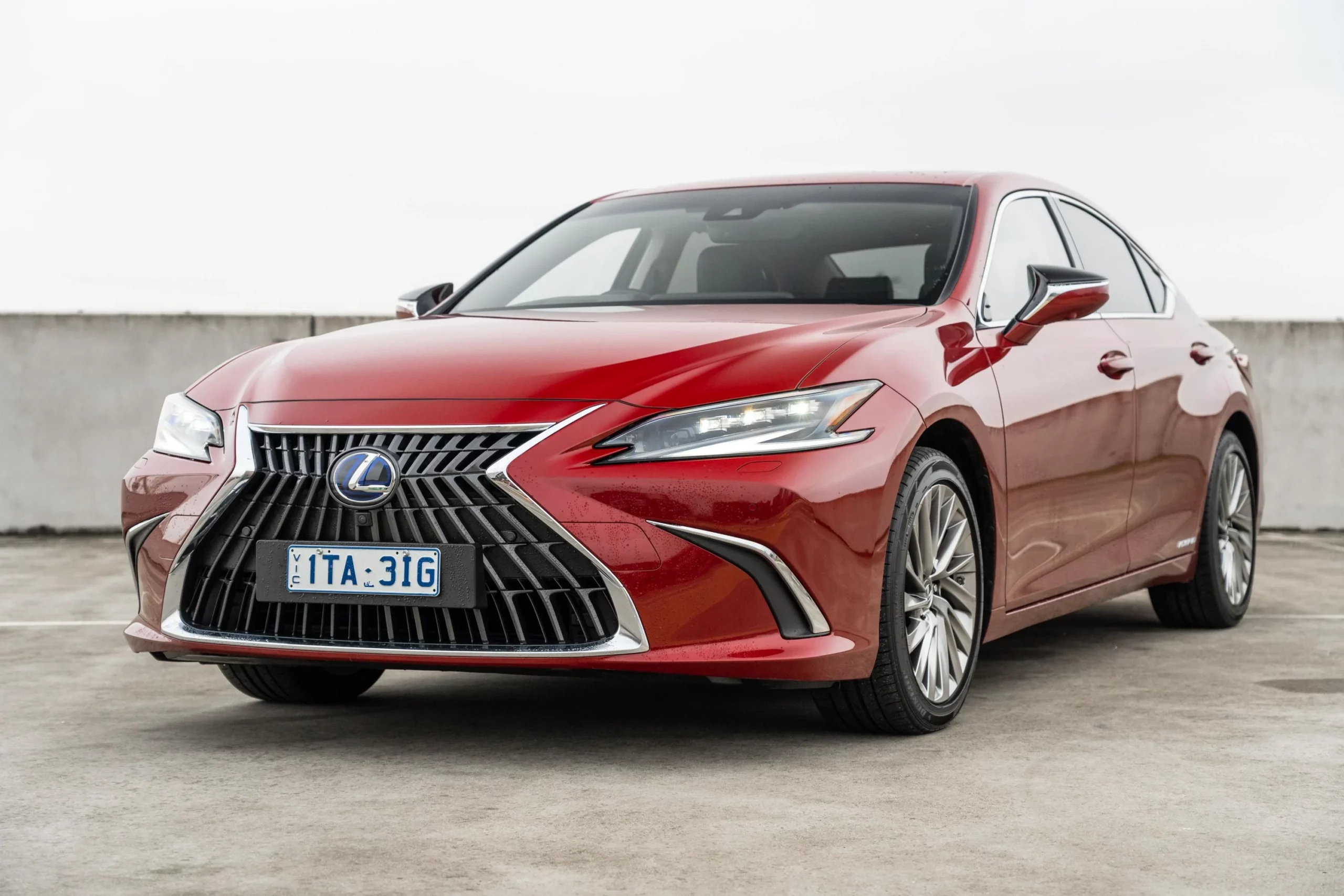
Setting Your Budget and Knowing Hidden Costs
Auction participation is not only about the winning bid. Several additional expenses must be factored into your financial plan to avoid unpleasant surprises. These may include:
- Buyer’s premiums and administrative fees
- State taxes (depending on auction rules)
- Transportation from the yard to the port
- Export or import fees
- Customs clearance and duties
- Repairs or preventive maintenance
By calculating these costs upfront, you can set a realistic maximum bid. A well-planned budget helps keep emotion out of the process and ensures that a “good deal” stays a good deal.
How to Evaluate a Lexus at Auction: Practical Steps
Evaluating a Lexus remotely may be challenging, but it’s entirely manageable with the right method. Start with the basics: inspect the listing photos carefully.
Look for consistency in body panel gaps, headlight alignment, wear on interior components, and dashboard warning lights. Lexus vehicles typically age gracefully, so excessive wear may indicate poor maintenance.
If available, study the auction condition report. Pay close attention to engine remarks, transmission condition, and electrical system notes.
Confirm whether the car runs and drives or is listed as “starts with boost” or “inoperable.” These labels tell you a lot about potential repair costs.
Another important step is comparing the auction price with the average market price for that model and year. This allows you to understand whether the vehicle is undervalued, fairly priced, or artificially inflated due to bidding competition.
Lexus models with premium features — such as hybrid systems, Mark Levinson audio, or advanced safety packages — often justify slightly higher bids.
Whenever possible, research common problems for the specific model. For example:
- Lexus RX: strut mounts and infotainment glitches
- Lexus GX: KDSS hydraulic system issues
- Lexus IS: carbon buildup on older direct-injection engines
- Lexus ES: suspension bushings at high mileage
Knowing these details positions you ahead of the average bidder.
International Buyers: Importing a U.S. Auctioned Lexus
International buyers represent a growing segment of U.S. auction participants, especially for luxury vehicles like Lexus. The appeal is obvious: better inventory, lower prices, and reliable engineering. But importing introduces additional layers of planning.
Start by verifying import rules for your country: emissions standards, minimum vehicle age, required documents, and homologation policies. Some countries require a clean title; others permit salvage imports only under specific conditions.
Shipping costs vary by port and vehicle size, but Lexus SUVs (GX, LX, RX) will typically cost more due to larger dimensions. Ensure you understand the total logistics chain: inland transport, port fees, container or RORO shipping, customs clearance, and local registration.
Throughout this process, the role of the VIN history becomes even more crucial. A detailed stat.vin report provides transparency and helps prevent scenarios where imported vehicles reveal hidden damage upon arrival.
For buyers who cannot physically inspect the car, verified documentation becomes the foundation of a safe purchase.
Common Pitfalls and How to Avoid Them
Buying a Lexus at auction can be rewarding, but it is not without risks. Some pitfalls include:
- Placing overly optimistic bids without researching true market value
- Ignoring signs of neglect in listing photos
- Overlooking frame damage indicators in condition reports
- Underestimating the cost of shipping and import fees
- Assuming that “it’s a Lexus, so it must be fine”
Avoid these by sticking to structured decision-making: research the model, compare multiple listings, use VIN tools, understand total costs, and never exceed your planned maximum bid. Auction buying is part strategy, part patience — and the buyers who combine both tend to win.
Conclusion: Seizing the Opportunity Responsibly
Purchasing a used Lexus at an auction in the USA is a genuine opportunity to secure luxury at a reasonable price — provided you approach it with discipline and knowledge.
Using tools like stat.vin, analyzing auction listings carefully, and keeping a clear financial plan all dramatically reduce risk while increasing your chance of acquiring a dependable vehicle.
The process requires patience and preparation, but the reward is significant: a high-quality Lexus at a price far below traditional retail.
When you rely on accurate data, avoid emotional bidding, and focus on long-term value, you transform the auction environment from a gamble into a strategic advantage. Your next Lexus may be closer — and more affordable — than you think.
