

The discussion around Antiradar stickers often begins with a simple question: how do they differ from speed cameras in terms of function and purpose?
While cameras are designed to capture and interpret visual data, anti-radar technologies focus on influencing how that data is received. These two elements operate on opposite sides of the same automated system.
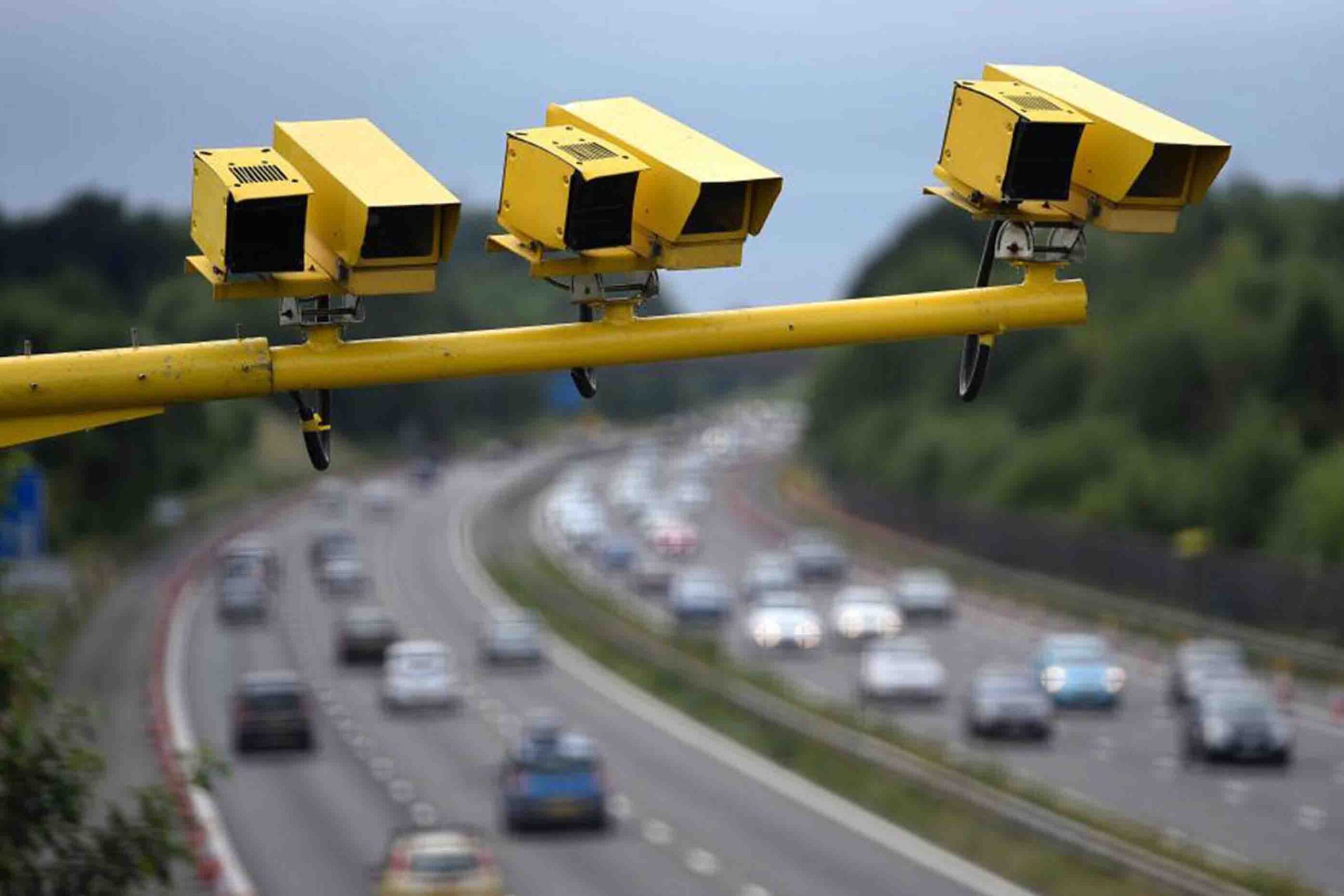
Speed cameras rely on optical consistency. They expect license plates to reflect light in predictable ways, allowing sensors to extract characters quickly and accurately.
Anti-radar solutions are developed to disrupt this predictability at the sensor level, without affecting how plates appear to the human eye. This distinction defines the core difference between observation and optical interference.
As camera networks expand, the interaction between vehicles and sensors becomes continuous rather than occasional.
Anti-radar technologies respond to this shift by operating passively at all times, influencing repeated scans instead of reacting to single capture events.
What Speed Cameras Are Designed to Do
An Anti radar sticker – https://antiradarsticker.com/alite-coupons/ is often misunderstood because many drivers assume speed cameras function like human vision.
In reality, cameras analyze contrast, edge sharpness, reflectivity, and infrared response. Their effectiveness depends on uniform optical input that can be processed algorithmically at scale.
Speed cameras are optimized for repetition. They capture thousands of plates per day under different conditions, relying on standardized reflective behavior to maintain accuracy.
When plates behave differently from this expectation, confidence scores decrease. This dependency on consistency creates the technical space in which anti-radar technologies operate.
It is important to note that cameras are not adaptive in the human sense. They follow fixed processing rules, which makes even small optical deviations meaningful over time.
How Anti-radar Stickers Influence Automated Recognition?
Unlike cameras, Anti-radar stickers are not designed to record or detect anything. Their role is entirely passive. By modifying how light is reflected back to a sensor, they influence how automated systems reconstruct plate data across multiple frames.
Modern optical films introduce controlled micro-irregularities. These changes are subtle enough to remain visually neutral but significant for machine vision.
Alite Nanofilm demonstrates this approach by focusing on sensor interaction rather than surface visibility, emphasizing optical interference over obstruction.
The result is not invisibility, but reduced certainty. Automated systems receive data that is less consistent across captures, which affects long-term reliability rather than single-frame detection.
Speed Cameras vs Anti Radar Sticker: Control vs Interpretation
Comparing a speed camera to an Anti radar sticker highlights a fundamental difference in control. Cameras are active systems that collect, analyze, and store data. Anti-radar technologies are passive elements that influence interpretation without generating data themselves.
This distinction matters in environments where cameras operate continuously. While individual scans may still occur, aggregated datasets become less precise when optical consistency is disrupted. Anti-radar solutions therefore address accumulation rather than isolated moments.
From a systems perspective, one component observes while the other introduces friction into observation. This interaction does not stop monitoring but reshapes how reliable automated interpretation becomes over time.
Why Accessibility Through Alite Coupons Matters?
Understanding the difference between cameras and optical interference often requires firsthand experience. The availability of Alite coupons lowers the threshold for drivers who want to evaluate how anti-radar technologies behave in daily conditions rather than rely on assumptions.
Accessibility encourages careful experimentation. Drivers can observe how optical films respond to changing light, weather, and angles over weeks or months.
This real-world exposure clarifies expectations and removes exaggerated assumptions about immediate or dramatic effects.
In this context, accessibility supports informed choice. It allows drivers to understand how passive optical interference fits into their broader approach to privacy and modern mobility.
Drivers tend to compare anti-radar solutions with speed cameras when they:
- Learn how camera sensors interpret reflected light
- Notice the scale and frequency of automated scanning
- Seek passive methods rather than active countermeasures
- Want minimal impact on vehicle appearance
- Aim to limit long-term data precision
Understanding the Real Difference
The difference between speed cameras and anti-radar technologies lies in purpose and position. Cameras exist to observe and record, relying on optical consistency to function efficiently. Anti-radar solutions exist to influence how that observation is interpreted by automated systems.
Technologies like Alite Nanofilm highlight this distinction by focusing on optical engineering rather than visual modification.
By reducing machine certainty instead of attempting to defeat systems outright, they offer a measured response to increasingly automated road environments.
With informed use—and occasional access through an Alite promocode—drivers can better understand where observation ends and optical interpretation begins, making more conscious decisions about how their vehicle data is processed over time.
