

Every UK custom software development team knows the feeling: you’ve written the code, it works, and you’re ready to move on—until it hits the code review queue. Depending on the team, that review could be smooth and helpful or become a frustrating delay.
Some see code reviews as essential quality control. Others see it as a blocker to productivity. So, which is it—feedback or bottleneck?
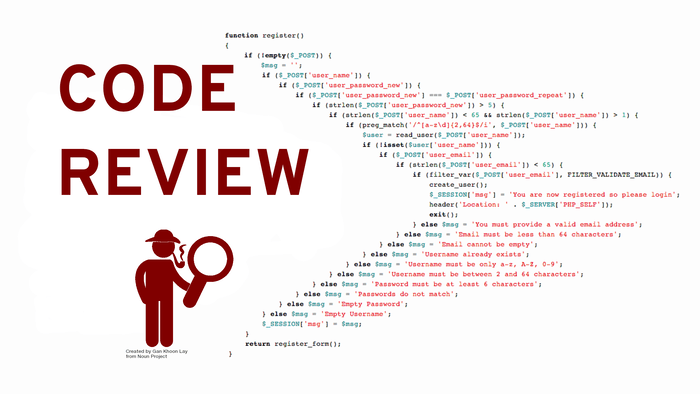
What could happen without code reviews?
Code reviews are more than just a second pair of eyes to ensure the code make sence. They’re a checkpoint for quality, consistency, and shared understanding. When done right, they catch problems early and help teams grow. When skipped or rushed, the impact usually shows up later—in ways that are harder to fix.
More bugs in production
Without code reviews, it’s easier for mistakes to slip through—especially the kind that automated tests might miss. Logic errors, edge cases, or unsafe assumptions can quietly break things in production, leading to later firefighting and losing time.
Inconsistent coding practices
Without review, different parts of the codebase start to diverge. One developer uses tabs, another uses spaces. One handles errors properly; the other doesn’t. Over time, this inconsistency makes the code harder to read, test, and modify—especially for new team members.
Harder to maintain and refactor
When no one else has reviewed a piece of code, it’s harder for others to understand or improve it later. You’re more likely to end up with code that’s tightly coupled, overly complex, or built on assumptions that aren’t obvious. That slows down future development and increases the risk when making changes.
Knowledge silos
If only the original author understands a particular part of the codebase, that creates a single point of failure. If that person leaves or becomes unavailable, the team may struggle to maintain or extend the code. Code reviews help spread context and reduce that risk.
Missed learning opportunities
When code isn’t reviewed, developers miss the chance to get feedback that could help them write better code next time. It also limits team-wide discussions about different approaches or best practices, so everyone ends up working in their own bubble.
Benefits of code reviews
Code reviews aren’t just about catching mistakes—they’re an opportunity to build better habits, raise the quality bar, and support each other’s growth.
- Fewer bugs, earlier: It’s cheaper and faster to catch issues before code hits production. Code reviews act as an early warning system, flagging logic errors, edge cases, or risky assumptions.
- More consistent codebase: With shared input, the codebase becomes more consistent. That means fewer surprises for future developers who have to read, debug, or change that code.
- Better design through discussion: Sometimes, a reviewer challenges an approach to explore better alternatives. These conversations can lead to cleaner, simpler solutions.
- Skill sharing and team learning: Reviewing each other’s code helps junior developers learn from seniors—and sometimes, the other way around. It’s a low-pressure way to exchange tips and patterns that might not come up otherwise.
- Shared accountability: Code reviews spread responsibility. No one works in a silo, and decisions get more visibility. That leads to a stronger sense of team ownership over the codebase.
Final words
Code reviews can absolutely feel like a bottleneck—especially when they pile up. But when treated as a focused, respectful feedback loop, they strengthen software and align teams.
The challenge isn’t whether to do them but how to make them useful without slowing everyone down. A good code review strikes that balance—helpful, not heavy-handed.
