

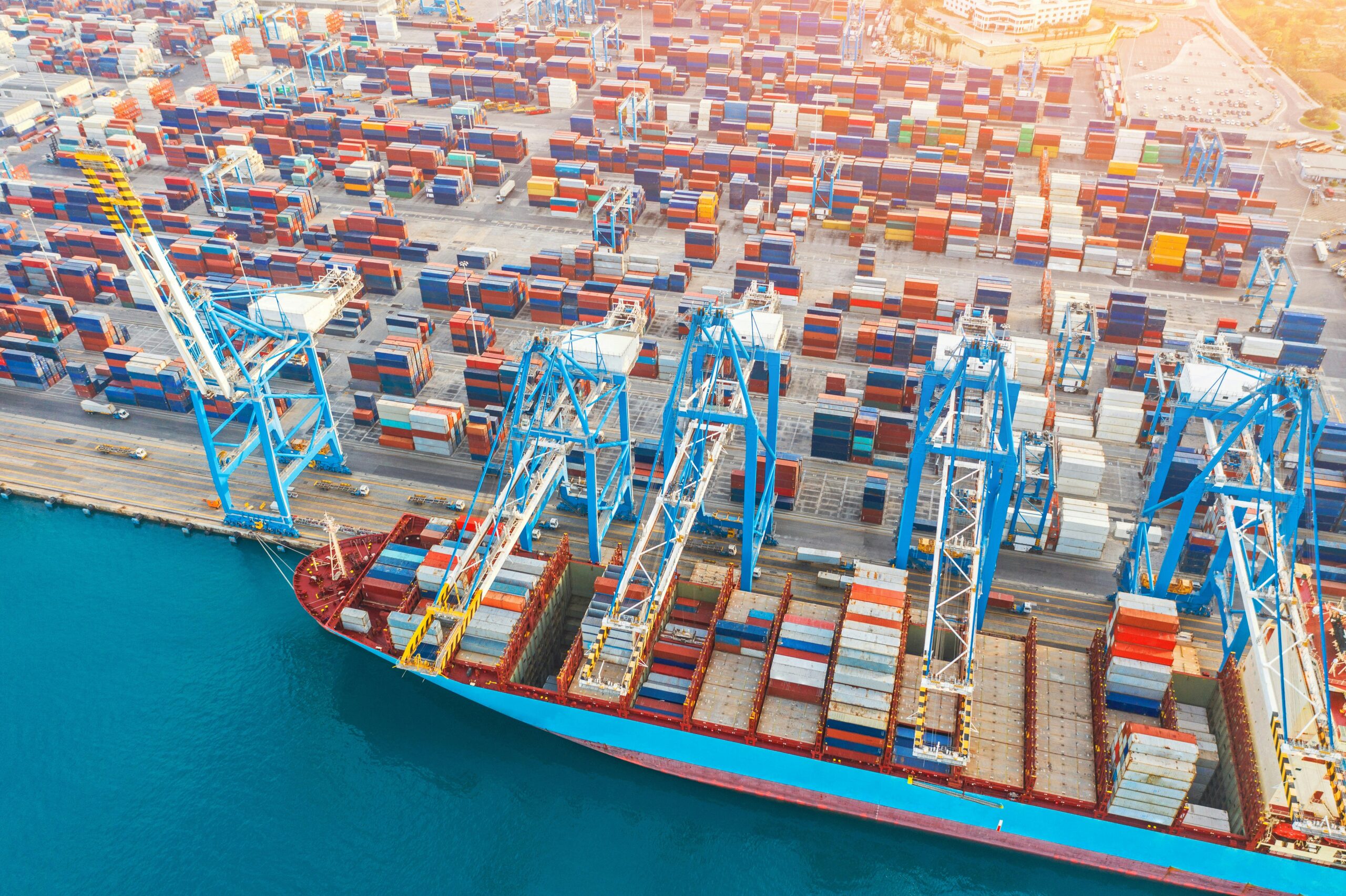
Q1 2026 confirmed what analysts warned about since late 2024: the era of stable supply chains is over. The World Economic Forum put it bluntly: “Supply chain disruption in 2026 will be constant and structural.”
The current freight recession has now stretched past 3.5 years, far beyond the 54-week average of previous downturns. Tariff wars, Red Sea shipping disruptions, and a flood of new container capacity have created conditions where static logistics planning simply fails.
That pressure is driving demand for freight exchange platforms that give shippers access to real-time, market-driven rates.
Freight marketplace platforms like AiDeliv deliver this transparency through auction-based procurement, where carriers compete for shipments and shippers see actual market prices instead of opaque quotes. This isn’t a tech experiment. It’s the market’s response to structural volatility.
Policy Shifts Are Redrawing Trade Routes
Trade policy is hitting logistics networks harder than at any point in recent memory. The mandatory USMCA joint review is set for July 1, 2026, and uncertainty around the agreement’s terms is already disrupting supply planning between the U.S., Mexico, and Canada. According to the Tax Foundation, 2026 tariffs cost the average American household an extra $700 per year.
Steel and aluminum tariffs — doubled to 50% in 2025 — have reshaped global trade flows. But structural constraints remain.
The U.S. produces only about 10% of the aluminum it consumes; roughly 80% comes from Canada. Primary smelters don’t restart overnight, which means tariffs alone won’t transform the domestic supply picture anytime soon.
Meanwhile, China+1 and nearshoring strategies are accelerating, though not always reducing risk. Some companies that shifted production from China to Vietnam found themselves facing higher tariffs on Vietnamese goods than on Chinese ones during early tariff rounds. These policy zigzags make real-time freight market intelligence a prerequisite for any credible planning.
“Supply chains were already evolving before tariffs were imposed. What changed dramatically in the last nine months is the speed of those shifts, combined with heightened volatility and variability, which radically complicates planning for customers.”
— Michael Castagnetto, President of North American Surface Transportation, C. Robinson (CSCMP EDGE panel session)
Five Forces Shaping Global Supply Chains 2026
According to Marsh, global supply chain disruptions cost businesses an estimated $184 billion annually. Their Sentrisk data shows 65% of companies face at least one bottleneck in their logistics network. Here are the forces driving that pressure:
- Container overcapacity. Ten million TEU of new vessel capacity is on order — a third of today’s active fleet (S&P). Analysts project freight rates could drop by up to 25% in 2026.
- Red Sea uncertainty. Sixty percent of vessels still avoid the Suez Canal (BIMCO). Container shipping reliability fell to 29% in January 2026 (Xeneta).
- Tariff volatility. The USMCA review, 50% aluminum duties, and the ongoing U.S.–China standoff can each shift landed cost within days.
- Cyber threats to logistics. Attacks on logistics systems surged 61% in 2025 (Everstream Analytics). Over a third of all data breaches — 35.5% — originated through third-party vendors (SecurityScorecard).
- Climate events. Billion-dollar weather disasters now strike every three weeks, four times more frequently than in the 1980s (Marsh).
Why Static Planning Is Losing?
The old model — get a quote from a forwarder, lock in a rate for the quarter, and don’t revisit the route — was built for a predictable world. That world no longer exists.
East–West long-haul rates dropped 45% year over year on the Freightos Baltic Index. Trans-Pacific rates to the West Coast slipped to $1,400/FEU by October 2025.
Yet averages mislead: the spread between spot and contract rates remains wide, reflecting deep market uncertainty. Supply chain agility demands a shift from quarterly reviews to continuous monitoring.
| Parameter | Static Planning | Data-Driven Approach |
| Rate updates | Quarterly | Real-time |
| Carrier selection | 1–2 fixed forwarders | Competitive pool via reverse auction |
| Landed cost visibility | Partial (excludes duties) | Full: freight + duties + insurance |
| Real-time container tracking | None or limited | Platform-integrated |
| Response to tariff changes | Weeks | Hours |
| Shipment aggregation | Manual, forwarder-managed | Automated, platform-level |
Real-time freight market intelligence is no longer a competitive edge. It’s table stakes. Companies using data-driven approaches adjust routes and rates within hours of a new tariff announcement. Those relying on quarterly quotes learn about the impact weeks later.
The Auction Model: Transparency Over Opacity
Traditional freight procurement runs on relationships. A shipper requests a quote from a known forwarder, gets a price, and takes it on faith.
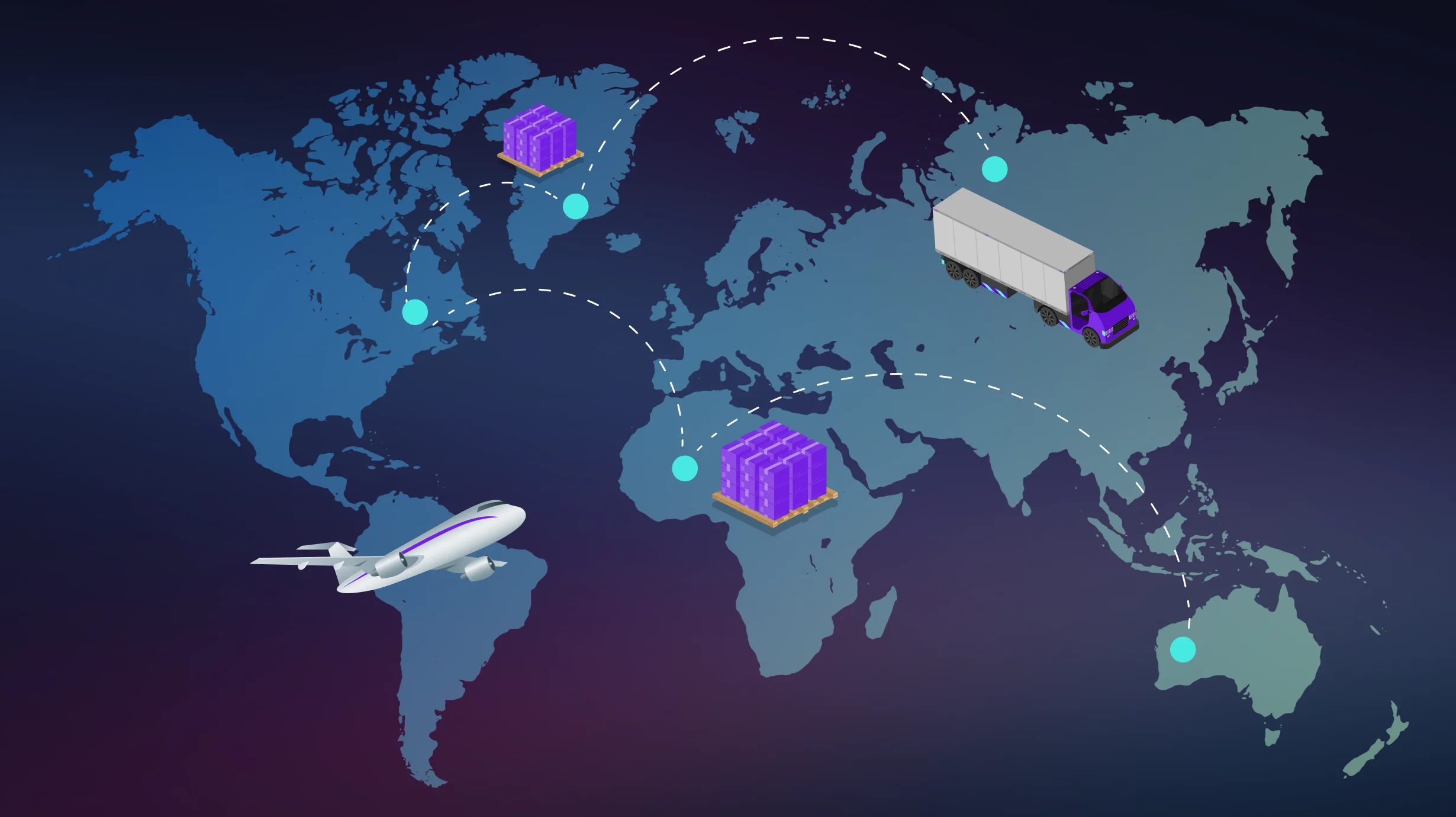
Reverse auction logistics flips that model. The shipper posts a request on a freight exchange interface, multiple carriers bid, and the best offer — on price and terms — wins the auction.
This approach solves several problems at once. Market-driven rates replace stale quotes. Carriers on the platform deliver the freight, while the exchange itself serves as a neutral layer between supply and demand.
Shipment aggregation groups smaller shipments to lower per-unit cost without the manual coordination a traditional forwarder requires.
For DDP shipping to USA, landed cost transparency matters most. The full delivery cost — duties, insurance, last mile — is visible before the shipment leaves, not after an invoice arrives with unexpected surcharges.
When tariff policy can shift landed cost in days rather than months, that visibility stops being a convenience and becomes a necessity.
What Comes Next?
The outlook for global supply chains 2026 offers no breather. Structural volatility is the new baseline, as the World Economic Forum’s January report made clear. The freight recession grinds on, overcapacity keeps growing, and trade policy remains unpredictable.
Companies moving from reactive management to proactive strategy — armed with real-time freight market intelligence, auction-based procurement, and automated shipment aggregation — gain more than lower rates. They gain supply chain agility: the ability to adapt in hours, not quarters.
When container shipping reliability sits at 29% and trade policy shifts faster than logistics contracts can follow, agility isn’t just an advantage. It’s the only durable strategy.
