

The oil and gas industry has always defined Houston, but there’s another infrastructure running parallel to the pipelines and refineries that rarely gets attention.
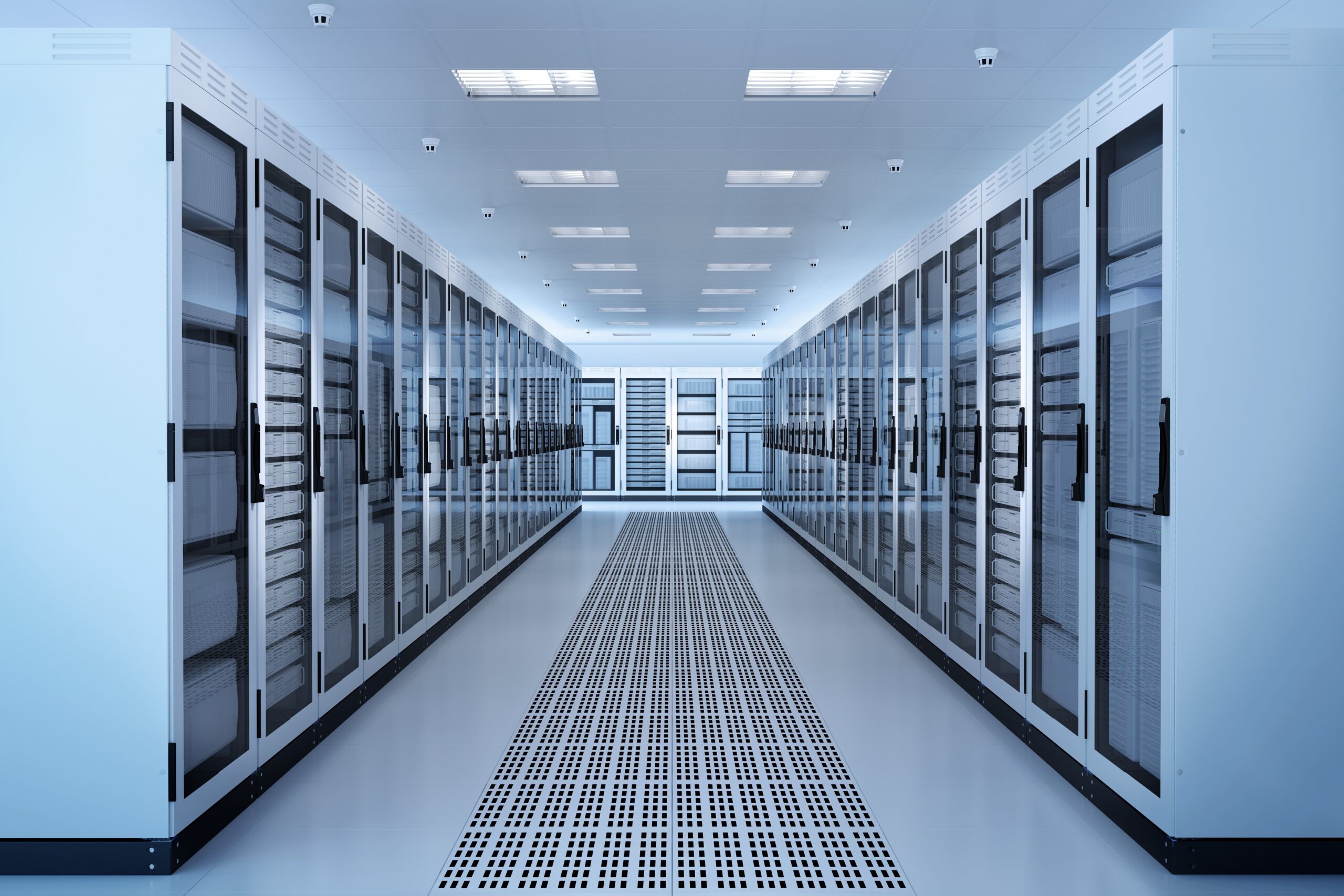
Data centers across the city quietly process billions of calculations each day, keeping energy operations functional.
These facilities handle everything from seismic data analysis to real-time pipeline monitoring, forming the digital nervous system of the energy sector.
The Data Explosion in Energy Operations
Consider what happens during a single offshore drilling operation. Sensors track drilling depth, pressure levels, temperature changes, and geological formations—all simultaneously. A typical deepwater rig generates between 1 and 2 terabytes of data daily.
Multiply that across hundreds of active sites, add in pipeline sensors, refinery operations, and trading platforms, and the numbers become astronomical. Companies need somewhere to store, process, and analyze this flood of information immediately, not next week.
Strategic Location Advantages
Geography matters in the data center business. Houston sits where multiple fiber optic cables converge, creating natural advantages for low-latency operations. When crude oil prices jump three dollars in thirty seconds, energy traders can’t afford delays.
A Houston data center positioned near major energy company offices cuts transmission time to milliseconds. That speed difference translates directly into competitive advantages and, ultimately, profits.
The city also benefits from redundant power grids and proximity to the Gulf Coast, where offshore operations require constant data connectivity. Weather monitoring systems, vessel tracking, and platform communications all route through Houston’s digital infrastructure.
Powering AI and Advanced Computing
Twenty years back, geologists would huddle over seismic printouts for weeks, sometimes months, marking potential drilling sites with colored pencils. The work was painstaking.
Today’s machine learning systems tear through that same seismic information in a few hours, and they’re spotting reserves that human eyes missed.
But here’s the catch—running these algorithms takes phenomenal computing power. We’re talking specialized processors working around the clock, the type of setup only serious data centers can handle.
Equipment maintenance has gotten smarter too. Drilling rigs now have sensors everywhere—on pumps, bearings, valves, you name it.
These sensors constantly talk to monitoring systems that watch for trouble signs. Say a pump bearing starts vibrating differently than usual. The system catches it and schedules a replacement during regular maintenance.
Beats having that bearing seize up during a night shift, which is expensive and dangerous. Companies running offshore platforms have seen their unplanned downtime drop significantly since adopting these monitoring systems.
The Energy-Digital Symbiosis
There’s something almost funny about the whole setup. Data centers keep energy companies running, but those same data centers are absolutely power-hungry.
A big facility might pull 30 megawatts, sometimes more. That’s enough juice for 25,000 homes, give or take. Houston’s grid handles it because the city generates power from multiple sources—natural gas plants, some renewables, the works.
Still, you’ve got this circular dependency. Energy firms need the data centers. The data centers need massive electricity supplies. Neither works without the other.
Cybersecurity: Protecting Critical Infrastructure
Digital attacks targeting energy systems have exploded recently. Industry reports tracked a 400% increase in ransomware attempts between 2020 and 2023.
That’s not just about stolen corporate secrets anymore. If hackers compromise the right systems, they could mess with actual fuel distribution. Millions of people could lose access to gasoline or heating fuel. It’s a genuine national security concern.
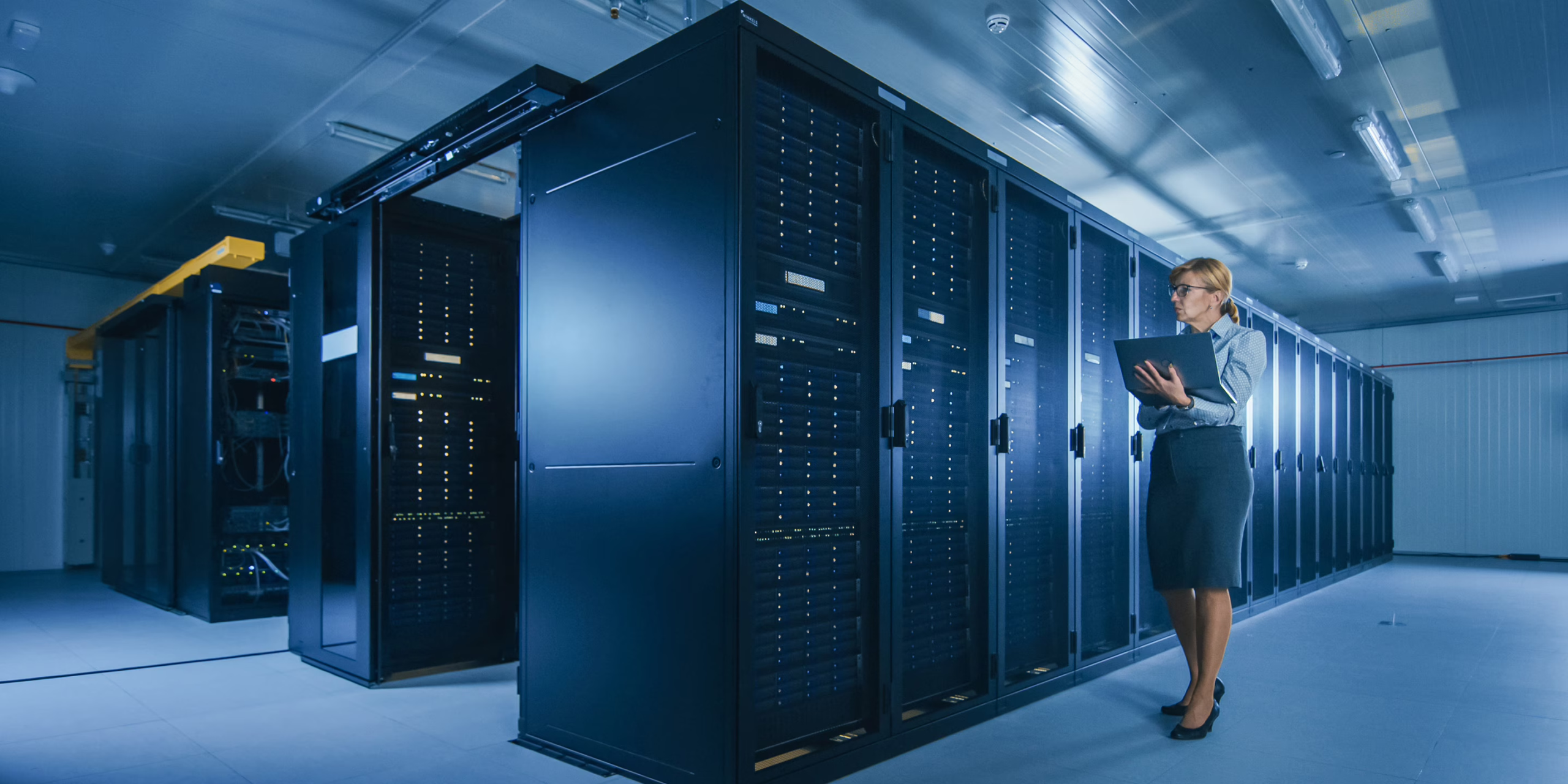
Places like TRG datacenters don’t mess around with security. They’ve installed biometric scanners, separated their networks into isolated segments, and staff security teams are constantly watching systems.
Energy companies now budget for data protection the same way they budget for physical site security—fences, guards, cameras, the whole nine yards. Some executives initially balked at the expense. Not anymore. One successful breach costs far more than prevention.
The Digital Future of Energy
Edge computing is changing the landscape. Instead of sending raw data from remote oil fields to central Houston facilities, preliminary processing happens on-site.
Only refined information makes the journey, reducing bandwidth requirements and speeding decision-making. West Texas wind farms and Gulf Coast drilling platforms increasingly house their own compact data processing units.
The transition feels natural for a city that’s always adapted to industry shifts. Houston didn’t become the energy capital by standing still, and its data center infrastructure represents the next evolution rather than a departure from tradition.
Digital and physical energy infrastructure have merged into a single ecosystem where neither functions effectively without the other.
