

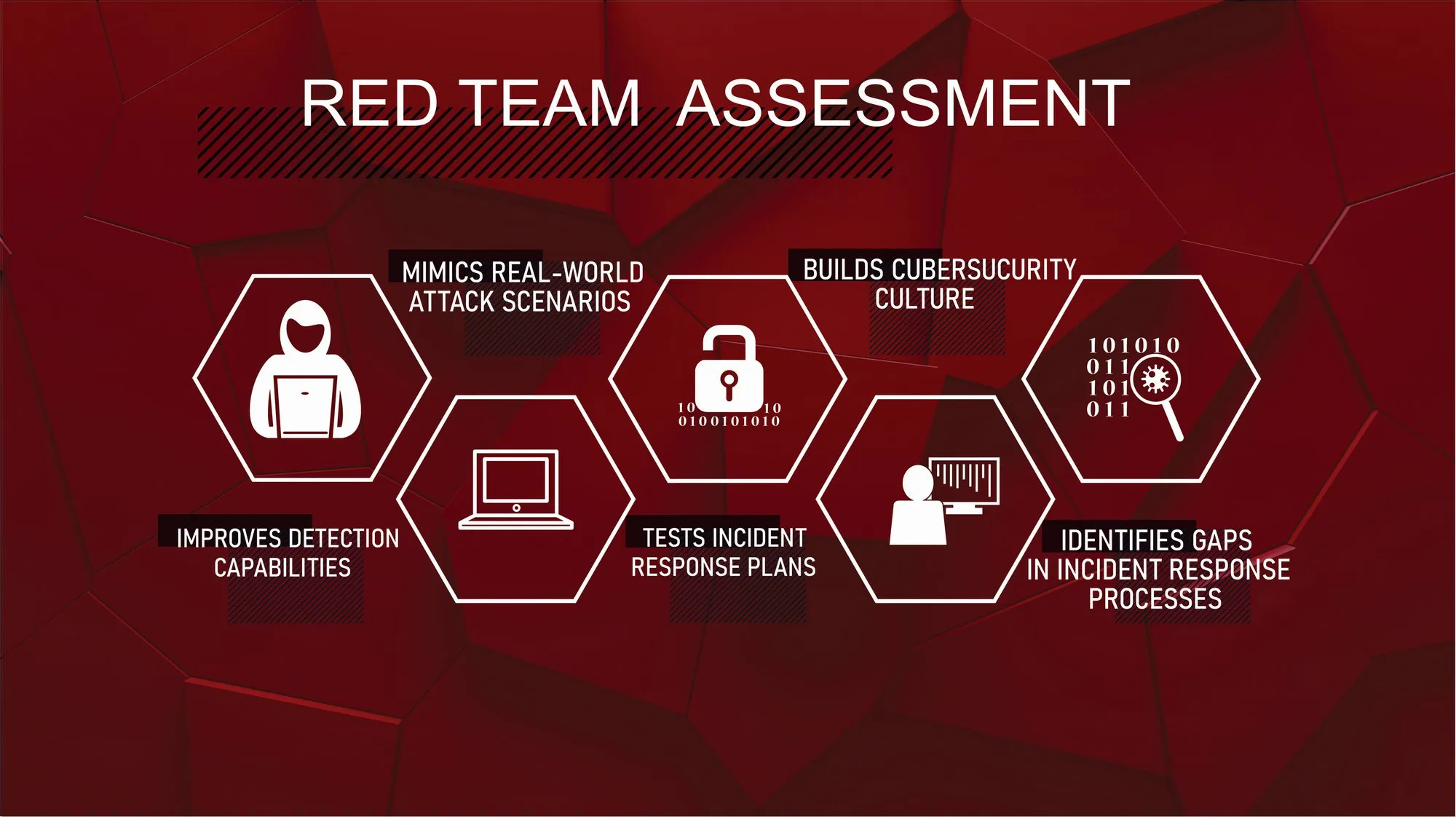
Most security tools tell you if something might go wrong. Red teaming shows you what will go wrong if someone tries to break in.
It’s a way to test your defenses by thinking like an attacker. Instead of waiting for a real threat, you simulate one—so you can find and fix weaknesses before they’re used against you.
This article explains what red teaming is, why it’s useful, and how to get started. Whether you’re part of a large company or a small team, red teaming can help you spot risks you might not even know you have.
What is Red Teaming?

Red teaming is a way to test how strong your defenses are. A “red team” is a group of people who act like attackers. They try to break into your systems, trick your staff, or find other ways to cause problems—just like real hackers would.
The goal isn’t to create chaos. It’s to show where you’re vulnerable. By simulating attacks, you can see what could go wrong before it actually does.
This helps you fix issues early. Red teaming isn’t just for big tech companies. It’s useful for any business that wants to protect its data, systems, or people.
These exercises don’t only focus on computers. Red teams might test how easy it is to enter your office, or how likely staff are to fall for phishing emails. They look at the big picture. Anything that could be used to gain access or cause harm is fair game.
Why Companies Use Red Teams
Most companies already run security tests. They scan for bugs, run audits, and do training. So why add red teaming? Because it shows you how everything works together under real pressure.
For example, maybe your software is secure, but your employees reuse passwords. Or maybe you have cameras, but no one watches them. A red team will find these gaps by acting like a real attacker.
Companies also use red teaming to test how well teams respond to threats. When a fake attack happens, how fast does your team react? Do they follow the plan? Do they even notice the problem? This kind of test shows if your defenses work in practice—not just on paper.
Red teaming also helps leadership. Seeing a realistic threat can help decision-makers understand risks better. It’s easier to approve a fix when you’ve just seen how badly things could go.
How to Start Red Teaming at Your Company
 You don’t need a massive budget to begin. Start small. Choose one area you want to test, like email security or access to your building. Then either build a small red team or hire one.
There are many ways to do red teaming. Some companies use in-house staff from their security teams. Others bring in outside experts. Either option can work. Just make sure the red team is separate from the team being tested. You want the test to be realistic.
Good planning is key. Set clear goals. Are you testing how fast your team responds? Or how easily someone can get sensitive data? Make sure everyone on the blue team—the defenders—knows they might be tested, but not when or how. That surprise is part of what makes red teaming useful.
If you’re new to all this, a red teaming guide can help you structure your first few exercises. It’ll show you how to plan the attack, what tools to use, and how to run a review after it’s over. This step-by-step approach keeps things focused and safe.
What to Do After the Test
The most important part of red teaming isn’t the attack—it’s the review. After the test, meet with your teams and talk through what happened. Where did the red team get in? What did they learn? What can you fix?
Write down everything and make it simple to understand. Then set a plan to close the gaps. Fix the problems the red team found, but also look for patterns.
Maybe you keep finding weak passwords. Maybe no one notices alerts. These issues show where more training or better tools are needed.
Red teaming is not about blame. It’s about learning. Everyone—from the tech team to the front desk—plays a role in keeping the company safe. Use the lessons to build a stronger system together.
Final Thoughts
Red teaming isn’t just for tech experts. It’s for any company that wants to stay one step ahead of real threats. It shows you what could happen before it actually does. And with the right planning, you can start small and grow over time.
When done right, red teaming builds confidence. You’ll know your systems, people, and processes have been tested—and improved. That’s peace of mind that’s hard to beat.
