

In today’s fast-moving digital world, static images are no longer enough to capture attention. Photos have always held emotional power, but what if they could actually speak? That’s exactly what Talking Photo technology does—bringing still images to life with realistic lip-syncing, voice integration, and natural facial expressions.
Whether in marketing, education, or personal storytelling, Talking Photos are bridging the gap between images and video in ways that feel fresh, personal, and powerful.
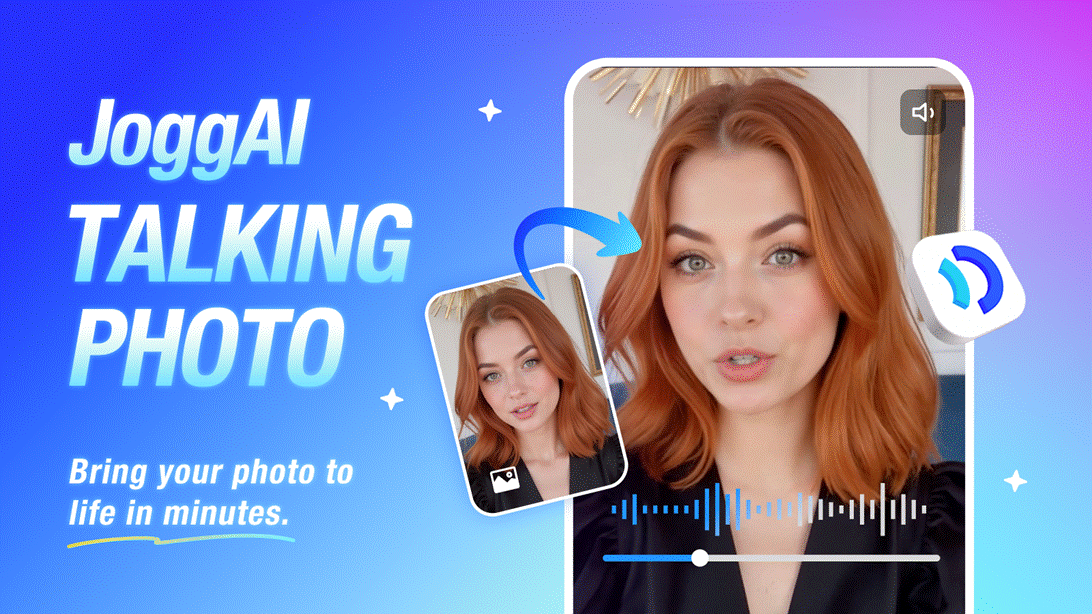
One of the leading examples of this innovation is the Talking Photo feature from JoggAI, which makes it simple for anyone to turn a picture into a speaking video in just minutes. No cameras. No editing. Just upload a photo, choose or create a voice, and watch your image come alive.
Why Do We Need Talking Photos?
- Breaking visual monotony: Audiences are saturated with images and videos. Standard static photos often get overlooked, while traditional video creation can be expensive and time-intensive. Talking Photos offer an in-between solution: engaging like video, but quick and affordable like an image.
- Emotional connection: A Talking Photo doesn’t just inform—it connects. Imagine an old family portrait where your grandparent “speaks” a few words of memory, or a campaign poster where the subject directly addresses the viewer. Suddenly, the image becomes an interactive, living experience.
- Multi-purpose versatility: From social media campaigns to customer FAQs, from classroom lessons to personal greetings, Talking Photos can serve in almost any context. They merge the familiarity of photography with the immediacy of video.
How It Works?
The process is surprisingly simple:
- Upload a photo (portrait, headshot, or scene).
- Add your voice or script. You can type text, record your own voice, or select from AI-generated voices.
- AI magic. The system maps natural lip movements, facial expressions, and gestures to match the speech.
- Export and share. The finished video can be posted on social platforms, used in presentations, or embedded in websites.
The entire workflow is designed to be accessible for non-experts, while delivering results that look polished and professional.
Real-World Problems Talking Photos Solve
| Use Case | The Challenge | How Talking Photos Help |
|---|---|---|
| Content creators/marketers | Endless need for fresh, attention-grabbing visuals | Transform static brand images into speaking assets that stand out in crowded feeds |
| Education/training | Teachers spend hours repeating explanations | A Talking Photo can deliver key lessons or instructions consistently and engagingly |
| Personal memories | Photos feel “silent” and distant | A treasured family picture can literally share a message, keeping memories alive |
| Customer service/brand communication | Multilingual communication is costly | Talking Photos can generate lip-synced messages in multiple languages at low cost |
Beyond Technology: Restoring Human Connection
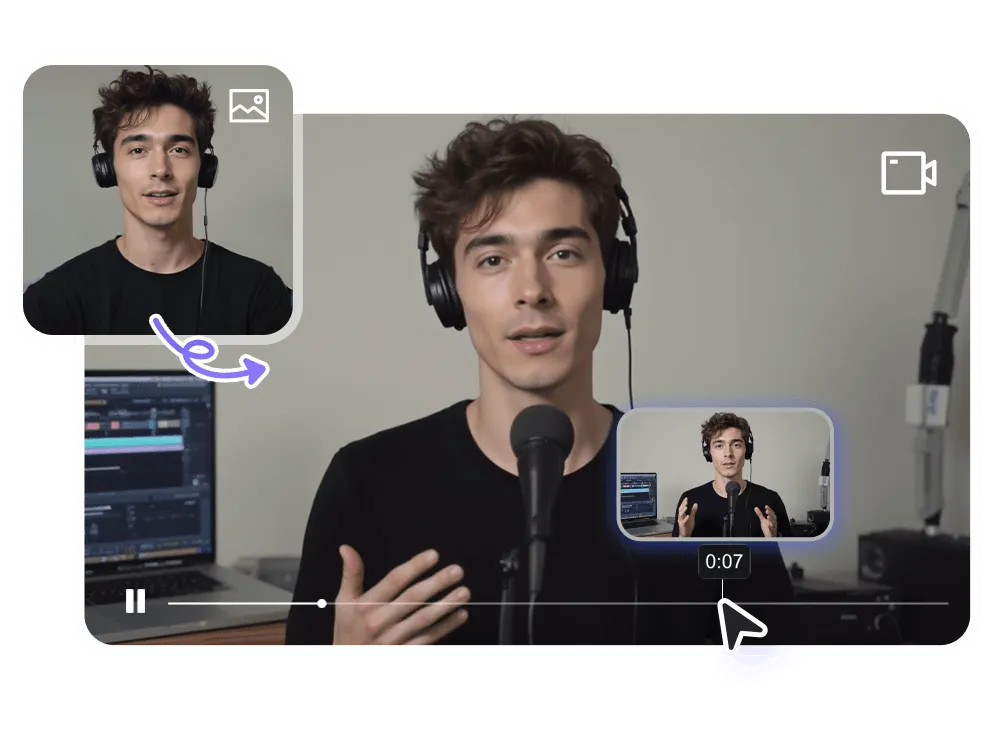
For ConnectionCafe readers—who often balance professional goals with a personal, human touch—Talking Photos represent more than just another digital tool. They restore something that static visuals lack: voice. When a face speaks directly to you, it creates trust, attention, and relatability.
Picture a teacher turning a class photo into an explainer for a tricky concept. Or a nonprofit using a single image to deliver heartfelt appeals in multiple languages. Or even a simple greeting card becoming a video message, where the photo of a loved one smiles and speaks. These aren’t just media tricks—they’re new ways of bridging emotional distance.
Who Stands to Benefit?
- Educators who need reusable teaching assets.
- Nonprofits that want to stretch budgets while telling impactful stories.
- Small businesses trying to stand out on social platforms.
- Families and individuals who want to preserve memories in a more interactive way.
With minimal cost and no technical barrier, Talking Photos democratize the power of video storytelling.
A Glimpse into the Future
Talking Photos are not about replacing people. They’re about amplifying stories and making them more accessible. As with other AI-driven tools, the real value lies in how we use them—whether to teach, inspire, market, or remember.
They give ordinary photos the chance to speak, and in doing so, they help us speak more often and more effectively to each other.
Final Thoughts
In a world drowning in digital noise, Talking Photos stand out by adding humanity back into visuals. They’re affordable, adaptable, and powerful enough to shift how we communicate—turning photos from silent witnesses into active storytellers.
For anyone looking to cut through the noise while keeping things personal, this technology is not a novelty. It’s a transformation.
