

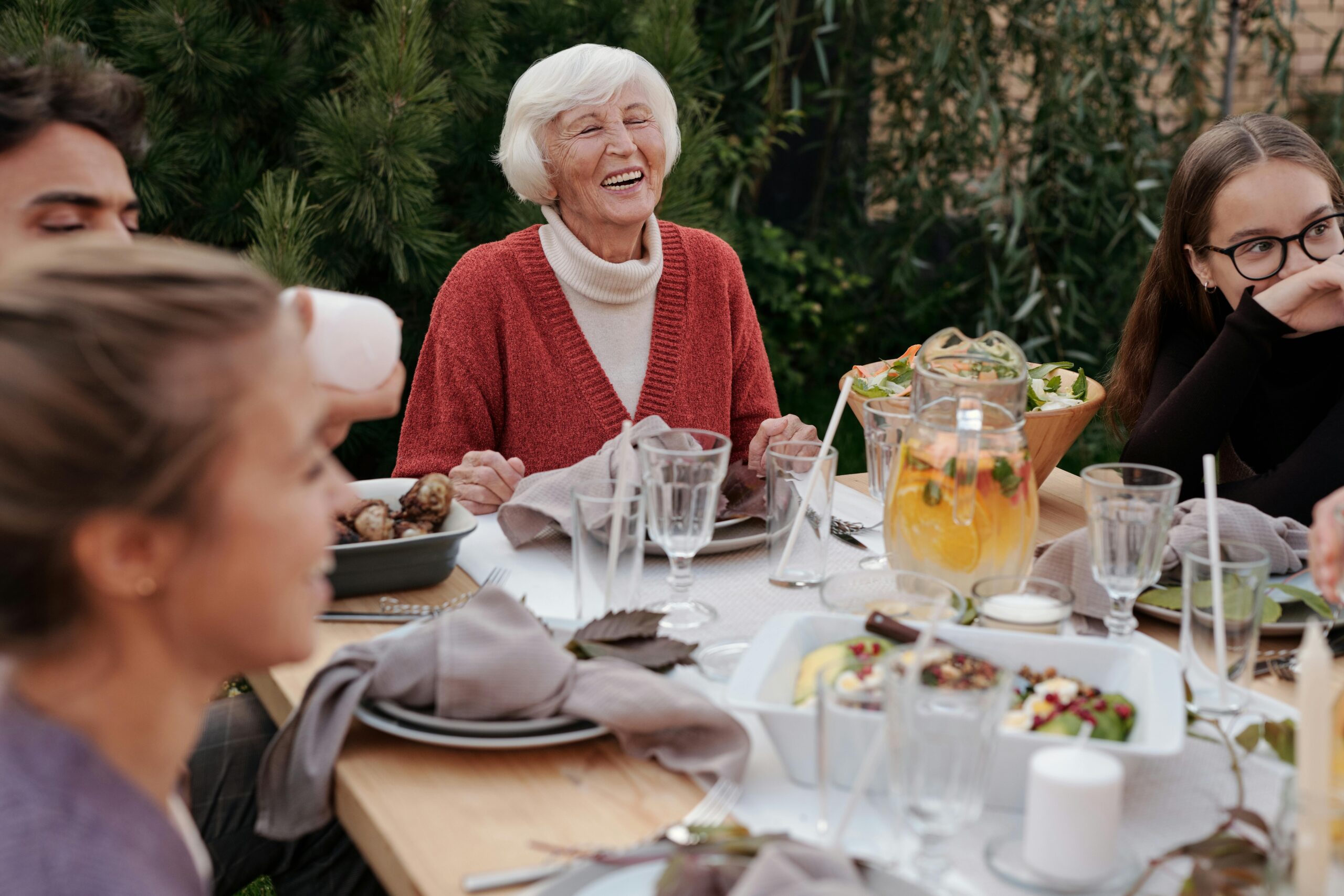
If you have an elderly relative, chances are that they aren’t as active as they used to be. Health issues, tiredness and not having the same sense of purpose for every day can mean they don’t get out much, and aren’t living their life on their terms.
It can be worrying for all involved, and you can wonder what you can do to help them feel more like their old self again. Life is busy so you probably can’t get around to see them as often as you might like, so you want to take steps to keep them happy and occupied even when you aren’t there.
In this article we take a look at some top ways to help your elderly relative keep positive and happy. Keep reading to find out more.
Why is it so important to keep elderly relatives positive and happy?
Keeping elderly relatives positive and happy is important because emotional well-being has a direct impact on both mental and physical health as we age.
A positive outlook can help reduce feelings of loneliness, anxiety and depression, which are common among older adults, and has been linked to better immune function, improved memory and even increased longevity.
Feeling valued and supported also encourages seniors to stay socially engaged, maintain independence for longer, and take better care of themselves. Ultimately, nurturing happiness in later life helps preserve dignity, strengthens family bonds, and significantly improves overall quality of life.
How can you keep elderly relatives happy and positive in their day to day lives?
Find them different activities to do at home
So, you want to make sure your relative is happy and healthy? The first thing you need to do is look at what they are up to at home. If they are just sitting in front of the TV every single day watching the same old daytime TV it’s not going to do them any good.
Instead, encourage them to do activities such as puzzles, games on their phone like Wordle, or even Duolingo to help them learn a new language.
They could try Scrabble, Sudoku, Word searches, basically anything that means they are focusing their brain on something, keeping them busy and helping them be stimulated.
Encourage them to get out of the house
Encouraging elderly relatives to leave the house regularly helps prevent isolation and keeps both their mind and body active.
Even small outings, such as a short walk, a coffee with a friend or a trip to the shops, can lift mood, provide stimulation and give them something to look forward to. You could head out with them, or if they’re able, encourage them to go solo.
Make sure they have a mobile phone (even a simple one) so they can get in touch if needed. You could also help them to order a taxi to and from a location, or help them to purchase a mobility scooter to aid them when they are out and about.
Visit them regularly
Regular visits reassure elderly loved ones that they are not forgotten and remain an important part of the family. Consistent social interaction reduces loneliness, boosts emotional wellbeing and can also help family members spot any changes in health or behaviour early.
Even something as simple as popping in for a cup of tea can be a highlight in their week and give them something to look forward to and a reason to get dressed, pop to the shops for some biscuits and have purpose in their day.
Give them choices for things in their life so they have control
Allowing elderly relatives to make choices in their daily lives helps preserve their independence and dignity. Simple decisions, such as what to wear, what to eat or how to spend their day, can significantly improve confidence and overall happiness.
Take them shopping with you as opposed to just doing their shopping for them, so they can pick the items they want, making decisions on things such as what to have for dinner, or picking something nice they can have for lunch.
Have them join support groups
Support groups provide a safe space for older adults to share experiences and connect with others facing similar challenges. These groups can reduce feelings of isolation, offer emotional reassurance and help them build meaningful friendships.
As people get older, their number of friends can naturally (and sadly) decline, so offering them a space where they can meet new ones and have a connection with others of a similar generation can be really helpful in more ways than one.
Encourage exercise
Regular, gentle exercise helps maintain mobility, strength and balance, while also improving mood and mental clarity.
Activities such as walking, stretching or chair-based exercises can boost confidence and contribute to better long-term health.
They could watch a YouTube video on the TV to show them exercises that can be done at home, or go for a stroll around the block. The fresh air mixed with exercise is good for both physical and mental health.
Make their home as comfortable as can be
Creating a comfortable, safe and familiar home environment helps elderly relatives feel secure and relaxed. Thoughtful touches, such as good lighting, cosy furniture and personal items, can make a big difference to their sense of wellbeing and independence.
You can help them by putting pictures of loved ones on the wall, buying a cosy blanket and just making sure they can get around easily.
These are just a few things you can do that can help your elderly relative be happy and positive. It can be one of the hardest things you have to do, seeing your loved ones not the same person as they once were, but by supporting them in any way that you can and doing the things above, you know you’re giving them the best possible chance to enjoy each day.
What are some top tips you have for helping keep your elderly relatives positive and happy? Let us know in the comments below.
