
You’ve installed solar panels, hoping to save money and help the planet. But over time, you notice something’s not quite right. The numbers on your energy bill barely move.
Maybe some panels don’t seem to be working as hard, or clouds and shadows ruin the performance of your whole system. The problem? Poor energy conversion and weak links between panels.
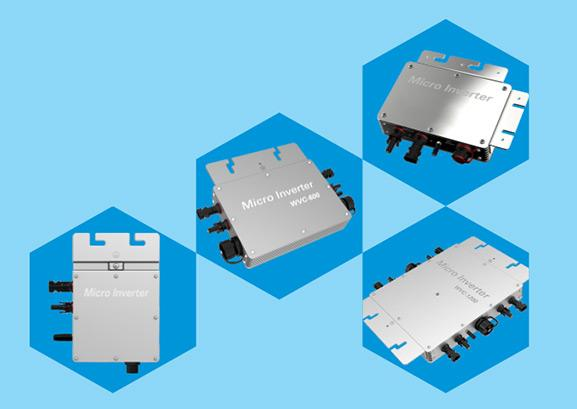
You don’t have to pull off all the panels or start over. A Micro Inverter can fix most of these problems. It works quietly to help each panel do its best.
Even if one panel gets blocked or dirty, the rest keep working strong. That means more power, more savings, and fewer worries.
What Does a Micro Inverter Do?
A micro inverter is a small device that controls each solar panel. The job is to take the direct current (DC) from the sun and make it a usable alternating current (AC) for your home. What makes it different is that it makes this job panel after the panel. So if one panel is in the shade, it won’t pull down the rest.
This small change makes a big difference in how much power your system can generate. With this device, each panel runs on its own, like having a team where everyone gives their best.
Why Micro Inverters Work Better Than Old Systems?
Old systems use one big converter to handle all the panels. This is called a string inverter. The problem? A traditional solar setup often works like a chain, when one part struggles, the rest follow.
If one light fails, the rest get dim. If a panel gets dusty, shaded, or starts to wear out, the whole system feels the drop.
A Micro Inverter skips that issue. It treats each panel like its own unit. That means shade, dirt, or snow on one panel won’t lower the power from the others.
How to Maximize Output Using Micro Inverters?
1. Minimize Shading and Maximize Sunlight
Even small shadows can affect your energy production. The best way to deal with this is to use a Micro Inverter so shadows only impact the specific panel they touch, not the whole system.
To reduce shading issues:
- Trim trees nearby.
- Clean your panels monthly.
- Check your roof in different seasons to see how sunlight falls.
Panels with individual inverters keep generating steady energy, even if one gets partially shaded during the day.
2. Real-Time Monitoring Helps You Act Fast
One great benefit of a Micro Inverter is the ability to see how each panel performs in real time. Many systems come with mobile or web dashboards that show which panels are strong and which need help.
This lets you:
- Spot dirt or damage quickly.
- Schedule cleanings only when needed.
- Track your system’s performance without guesswork.
The faster you respond to small issues, the less energy you lose.
3. Match the Inverter with the Right Panel
Not all devices work well together. Always choose a Micro Inverter that suits the size and output level of your panel. An underpowered inverter can cause energy losses, while an oversized one may waste money without added value.
Check:
- Wattage compatibility.
- Temperature ratings.
- Efficiency scores (above 95% is great).
When parts match well, you get better energy flow and higher returns.
4. Location and Tilt Still Matter
Even with a Micro Inverter, panel placement matters. Roof direction, tilt angle, and even local weather can affect your output.
Make sure to:
- Face panels toward the most sun (usually south in the northern hemisphere).
- Use tilt brackets if your roof is flat.
- Avoid placing panels where snow or water pools.
Good placement + the right inverter = better output year-round.
5. Routine Maintenance Protects Performance
Your panels don’t need much attention, but small steps go a long way:
- Clean every 2–3 months (or after storms).
- Check for cracks, bird falls, or leaves.
- Use soft water and no chemicals.
- Hire a professional once a year to inspect wires and connections.
With a Micro Inverter, you’ll know quickly when something’s wrong — and can fix it before it impacts your savings.
6. Upgrade Older Systems with Micro Inverters
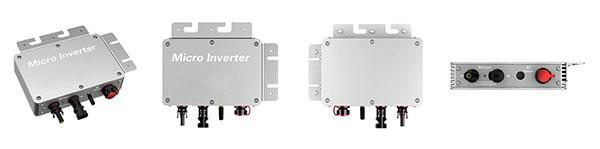
Even if you installed the panels many years ago, it is worth upgrading. Replacing the vintage solar inverter with unit degree devices can increase manufacturing by 10% to 30%, depending on the configuration.
This upgrade makes sense if:
- Your old system underperforms.
- You’ve added more panels.
- Your home now has more trees or shadows.
With better energy management, you can cut losses and get your return on investment much faster.
Easy Tips for Families to Get Better Results
You don’t need to be a tech expert to keep your panels running well. Try these tips:
- Rinsing your panels every couple of months with clean water and a soft brush helps keep them efficient.
- Check for bird nests or leaves that might block sunlight.
- Look at your panel reports if you have an app that tracks them.
- Ask your installer to check wiring once a year, just to be safe.
These small steps help your Micro Inverter and solar panels work harder and smarter.
Save More Money Over Time
A system that works better makes more power. And that means you buy less from your utility company. The money you save each month adds up. You’ll get back what you spent on your system sooner.
Because a Micro Inverter helps each panel give its best, your whole setup earns more power. So you see the benefit faster.
Time to Get More from Your Solar Panels
If your solar panels aren’t giving you the results you expected, the issue likely isn’t the panels; it’s how they’re connected. A single inverter setup causes your entire system to slow down when just one panel underperforms. A Micro Inverter fixes that by letting each panel work on its own.
This means higher energy output, fewer losses, and real improvement where it counts. It’s a straightforward fix to a common problem, and most homeowners see the benefits quickly.
