

Artificial intelligence has in a few short years passed by as an exciting notion and become a common tool that is used by millions of people daily. AI-driven platforms are transforming the ways we live and work, both through streamlining of workflows and fueling creativity.
It takes what used to take hours of manual work in a few seconds to complete, and the time saved could be spent in more profound attention, teamwork, or even sleep.
Now is it a question of whether AI can assist, but how to select and use the appropriate tools to achieve smarter, not harder, outcomes.
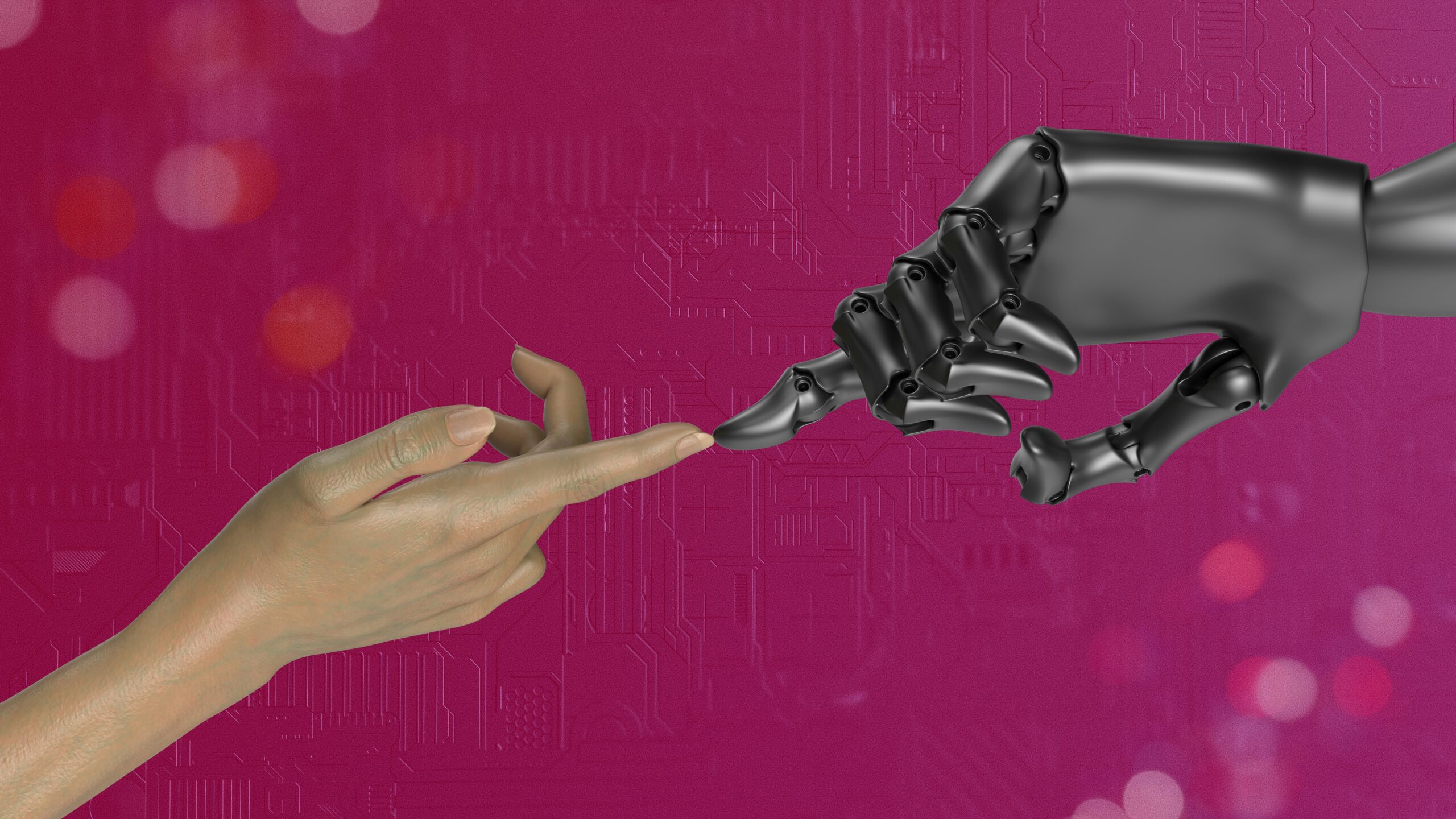
This change is not one of substituting humans but one of empowering them, through the use of AI to clear bottlenecks and increase productivity in sustainable manners.
A good analogy here is how the use of data-driven insights drives decision-making in other industries. As an example, websites such as FIRST.com demonstrate how technology is able to revolutionize decision-making through trustworthy analysis and tools in high-stakes settings.
Likewise, in the workplace sphere, AI technologies are used as a decision support platform: they can assist professionals to consider options, spend less time, and make more intelligent decisions.
Smarter Workflows with AI Assistants
Digital assistants are at the center of AI productivity. Artificial intelligence tools, such as ChatGPT, Jasper, or Copy.ai, are aimed to produce written content, brainstorm or refine a draft. They do not substitute human creativity but speed it up.
This saves time in doing the same task over again- writing emails, creating reports and even creating outlines of presentations. Instead of being distracted by the weeds, professionals might be able to apply their time to more productive tasks, such as strategy or innovation.
Automating the Mundane
Machine learning-based automation platforms can replace tiresome and even feared work. Consider holding meetings, sorting big data volumes or answering simple customer questions.
To the businesses, this saves on the cost of operation. To individuals, it gives them a feeling of relief: the day is no longer loaded with micro-tasks that exhaust their concentration. The most popular examples of programs that relieve mental load are apps such as Zapier, Notion AI, and Otter.ai.
Creativity Enhanced by AI
Now AI is used by artists, designers, and musicians to test ideas, generate variations, and improve existing projects. Applications such as MidJourney and Runway are used to create images or video editions that used to take expensive software and hours of human labor.
AI will not replace talent or originality, but will be the collaborator. It ignites paths that could otherwise have been missed and enables makers to experiment with possibilities at an unprecedented speed.
Data-Driven Decision Making
Analysis of large volumes of information is one of the most significant inputs of AI. In financial planning to market research, AI-enabled analytics systems provide insights in a few seconds that otherwise may require human teams days or even weeks to discover.
This can be quicker answers to problems among managers, entrepreneurs and even students. AI does not promise perfect predictions, but it helps provide a solid basis to make informed choices in uncertain conditions.
Balancing Efficiency with Human Judgment
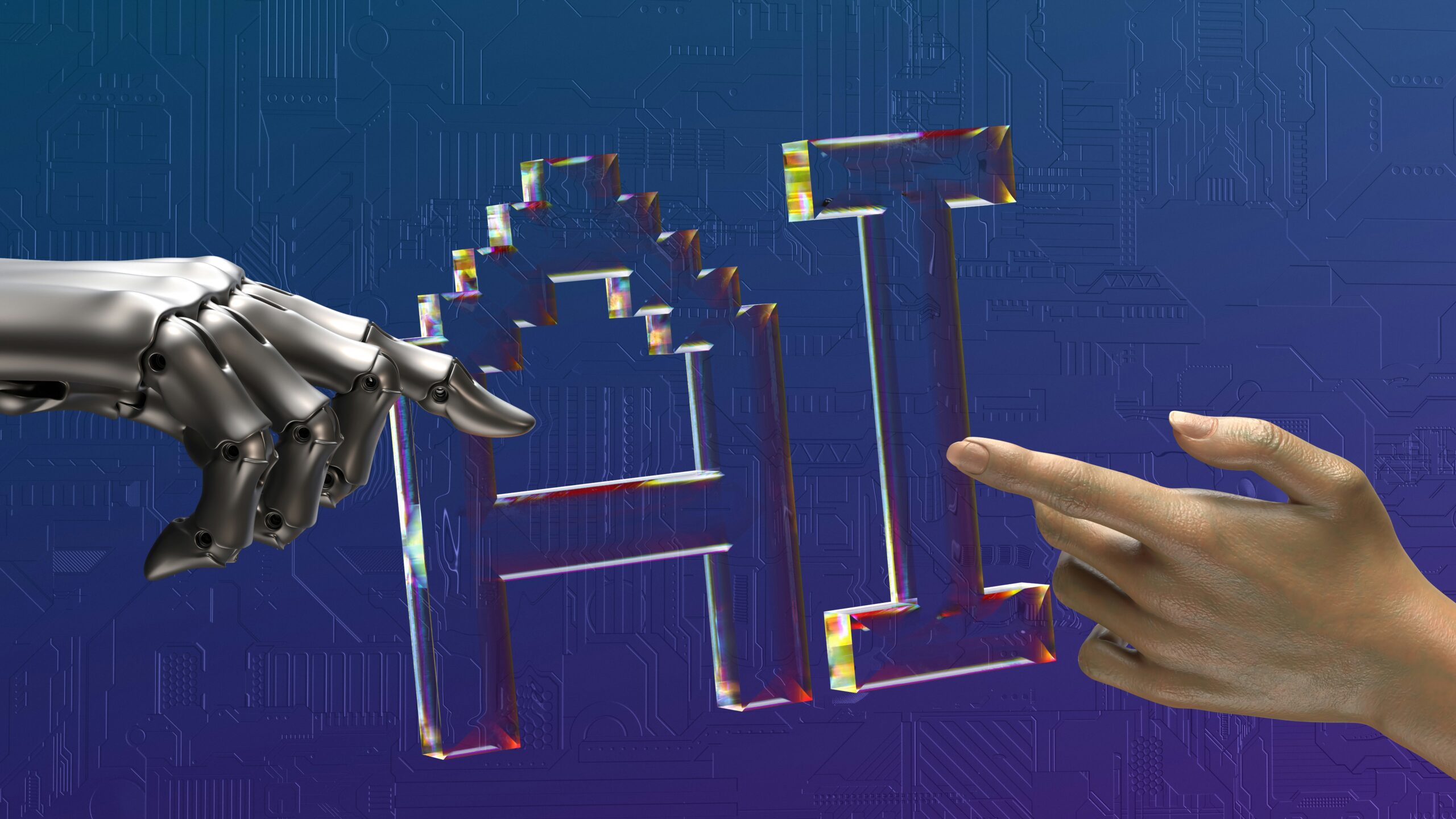
Although AI tools are an extremely powerful tool, they are not magic bullets. There is a danger of blindly following an automation where there might be errors or miscommunication or the ability to see details.
AI is more of a collaborator – one that makes life easier and allows access to opportunities, but does not substitute the skills, compassion, and innovation of humans.
The best workflows are a combination of both machines to do large-scale work and humans to do insightful work. Such a balance is what makes productivity not to be at the sacrifice of authenticity or well-being.
Looking Ahead
The emergence of AI is but a start. With such tools developing, they will be more intuitive, more individualized and more integrated into the daily work. To the professionals, it is not the resistance to change but adapting and surviving with the changes.
The actual victors in the AI revolution will not be the ones who work hard but adapt to the smartest way of working. This transition will be sustainable over the years with the adoption of the correct tools, clear boundaries and ensuring that human judgment is at the center.
Conclusion
Productivity tools powered by AI are a current reality that defines our working, creating, and connecting behaviors.
They relieve us of the need to repeat ourselves in doing routine duties and help us in making big decisions, allowing us to concentrate on what is really important.
It is not about the future of work replacing that of human beings, but making it possible so that human beings thrive where they previously could not do so.
