
Mike Trout is an American baseball icon, blending speed, power, and sharp reactions into an explosive career profile. On B52, fans can view his 16-season journey like a long-term betting line. From Millville to MLB, he owns 3 MVP awards, over 400 home runs, and rare leadership edge.
Profile of Mike Trout from Millville to the MLB summit
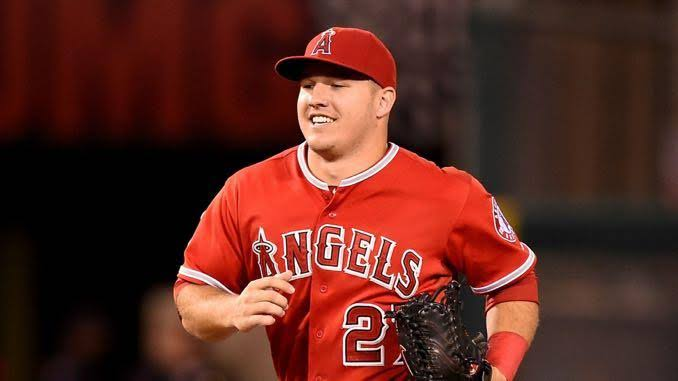
Mike Trout grew from a strong family sports foundation
Great careers often begin in small places, where competitive instinct is sharpened through long practice days. The New Jersey youngster stood out early through speed, hitting power, and unusually sharp ball judgment. The Angels noticed that potential in the 2009 draft and invested the 25th overall pick.
Childhood in Millville
Millville produced an athlete with a multisport physical base rather than a player shaped by one rigid training system. He played baseball, basketball, and football before settling in the outfield as his acceleration became a weapon. During his final high school season, he hit 18 home runs in New Jersey.
Family influence also pushed his competitive fire from an early age and gave daily practice greater purpose. His father, Jeff Trout, had played within the Minnesota Twins Minor League system and understood professional demands. That background helped Mike Trout recognize draft pressure before entering a full-time baseball career.
The 2009 draft turning point
The 2009 draft opened the biggest door when the Los Angeles Angels selected him in the first round. A high school player taken 25th overall still had to prove his value through every Minor League season. His rapid promotion soon gave the Angels organization a powerful long-term offensive asset.
|
Career milestone |
Outstanding figure |
Competitive meaning |
|
2009 draft |
25th pick in round 1 |
Angels showed early confidence |
|
2011 debut |
19 years old |
Reached MLB at a very young age |
|
2012 season |
Rookie of the Year |
Broke out immediately as a superstar |
MLB debut milestone
July 8, 2011 marked his first MLB game, when pressure from the major-league stage became immediate. The young player had to learn pitching velocity, breaking movement, and crowd noise during every plate appearance. One year later, Mike Trout turned the 2012 season into a breakthrough across the American League.
- Step 1: After reaching the first team, he adapted quickly to major-league pitches regularly traveling above 95 mph during demanding plate appearances.
- Step 2: While holding an outfield role, he used explosive speed and sharp positioning to save many dangerous balls driven deep into play.
- Step 3: By steadily adding hitting power, he produced direct scoring opportunities through extra-base hits and stronger contact in decisive offensive situations.
Life away from the field
According website https://b52clb.io/, his personal profile extends beyond statistics and includes a family life that remains relatively private away from baseball. He married Jessica in 2017, and the couple welcomed their first child in 2020. During the offseason, he enjoys fishing, golf, hunting, and following weather forecasts closely.
Impact of Mike Trout through major MLB achievements
A modern legend needs steady production, major awards, and influence that survives across many seasons at the highest level. He combines power hitting with plate discipline, intelligent base running, and dependable defense. By 2026, his career record had passed 6,300 at-bats and reached 422 home runs.
Playing style of Mike Trout on the field

Running speed helps the outfield reduce dangerous plays
His playing style resembles a line with high probability because several tools can become dangerous at once. A compact swing, powerful wrists, and sharp pitch recognition have helped him maintain a career OPS near .970. In form, he can change a game with one home run during a favorable count.
Award record
Individual awards reveal the weight a player carries during the strongest years of an elite career. He owns three American League MVP awards, multiple All-Star selections, and several Silver Slugger honors. Those achievements keep Mike Trout among the most dangerous and recognizable offensive figures in modern MLB.
|
Award |
Notable years |
Career value |
|
AL MVP |
2014, 2016, 2019 |
Peak all-around individual performance |
|
Rookie of the Year |
2012 |
First major breakout season |
|
Silver Slugger |
Multiple seasons |
Sustained high-level offensive power |
Overcoming prolonged injuries
Injuries have created his toughest barrier because every long absence can cool timing and disrupt rhythm at the plate. He has dealt with calf, knee, and hand problems while also adjusting his defensive role. In 2026, Mike Trout still wears number 27 and continues chasing runs for the Angels.
His durability now depends on changing how he plays rather than trying to race with the same speed he had at 22. His 2026 OPS remains around .845 in the MLB profile despite interruptions in his schedule. That figure shows his offensive quality still matters in decisive plate appearances.
Conclusion
Mike Trout closes this biography with a powerful mix of natural talent, strict discipline, huge production, and proven resilience. From the 25th pick in 2009, he built his career through MVP awards, home runs, and elite OPS numbers. Across 16 seasons, fans still see an MLB icon with lasting weight.
