

In a world where brand visibility is everything, even the tools we use to communicate are becoming extensions of our identity. Whether in press conferences, live streams, or podcast studios, microphones are no longer just about capturing sound — they’re about projecting image, intent, and professionalism.
More and more companies are beginning to see the microphone not just as a piece of technical equipment but as a visual touchpoint of their brand. That’s where a branded microphone can make all the difference: it transforms an ordinary tool into a statement of who you are and what you represent.
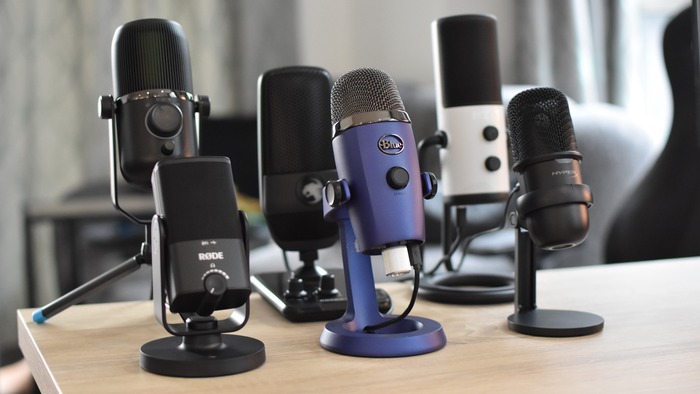
Why Audio Equipment Is No Longer Just Functional?
For decades, the decision to invest in a microphone was based purely on sound quality, durability, and compatibility.
But in the content-driven landscape of 2026, where every conversation can become a piece of shareable media, visuals matter just as much as audio clarity. Microphones now sit center stage in video thumbnails, livestream frames, and social reels. This visibility turns them into visual cues — and by extension, brand carriers.
Customization gives brands the chance to reinforce identity without saying a word. A uniquely styled mic with your colors or logo can convey energy, trust, expertise, or creativity, depending on your brand’s core message. More importantly, it travels with the content — into screenshots, highlight clips, news stories, and video replays.
“A microphone no longer simply records a voice — it reflects the voice of the brand itself.”
This shift is being embraced by more than just influencers and media outlets. Businesses across industries — from law firms and fintech companies to event organizers and academic institutions — are turning to personalized microphones as subtle yet strategic branding tools. In a hybrid world of physical and digital presence, every visual cue counts.
Who Is Using Custom Microphones — And Why It Works?
The adoption of custom microphones is no longer limited to major broadcasting studios or celebrity podcasts. In fact, some of the most innovative use cases are coming from smaller companies, educators, niche content creators, and local organizations. Their shared goal? Making a memorable impression — even before a single word is spoken.
For media professionals, the benefits are immediately obvious. Whether it’s a news outlet interviewing a public figure or a podcast host engaging with their audience, branded microphones help establish authority and professionalism.
But the appeal extends much further. Event planners are now branding mics to match the theme of a conference or gala. PR teams are using custom designs for client launches to ensure their logos are front and center in every press photo.
Even corporate HR departments are deploying them during internal communications to reinforce a sense of unity and identity.
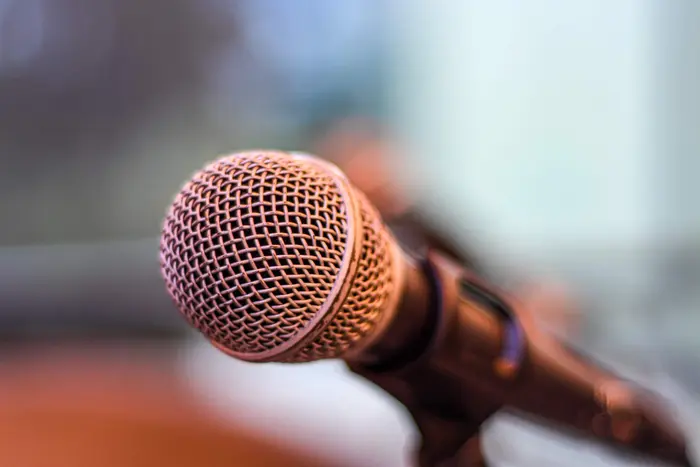
This approach is working for a few key reasons:
- It enhances brand recall: A branded mic becomes a visual anchor that sticks in the viewer’s mind.
- It signals professionalism: Even a subtle custom detail can elevate the perceived production value of your content.
- It invites consistency: Custom microphones complement other branded elements like backdrops, outfits, or digital overlays.
- It creates shareable media moments: When someone takes a photo, that mic — and its branding — travels with the image.
The power of these moments shouldn’t be underestimated. When an organization consistently uses branded tools across various communication formats, it builds familiarity and trust. And unlike digital watermarks or lower thirds, microphones are naturally part of the scene, making them feel more authentic and less intrusive.
The Intersection of Style and Sound Quality
Of course, branding is only one side of the story — performance matters just as much. A custom mic that looks good but delivers poor audio will only damage your credibility. Thankfully, today’s options no longer require a trade-off.
Branded microphones can be built around high-performance models that match professional standards in clarity, pickup range, and durability.
In most cases, customization refers to the outer shell or windscreen, leaving the internal components untouched. That means you can still rely on industry-trusted brands for audio quality while making the mic your own visually.
But there are also integrated solutions — packages where customization and performance come bundled together, eliminating the need for DIY efforts or mismatched parts.
| Feature | Branding Impact | Audio Impact |
| Custom mic flags | High (logo visibility) | None |
| Colored windscreens | Medium (tone setting) | Slight (depends on material) |
| Fully branded casings | High (total visual match) | None (if casing is external) |
| Integrated custom solutions | High (all-in-one package) | High (professional-grade audio) |
These solutions offer peace of mind: Your sound remains crisp and clear, while your visuals support your branding goals. And with options available across a wide range of budgets, there’s no longer a reason to settle for generic, anonymous gear.
How to Get Started with Branded Microphones?
If you’re considering integrating branded microphones into your setup, the good news is: it’s easier than ever. You don’t need to be a multinational brand or a full-time content creator to justify the investment.
Thanks to advancements in customization services, even small businesses and solo professionals can find accessible, high-quality solutions tailored to their needs.
The first step is determining your branding objective. Are you looking for subtle visual reinforcement or bold, front-and-center exposure?
A colorful mic windscreen with a logo might be enough for internal videos or live streams, while a full custom mic casing might suit press events or public appearances. The design should align with your brand’s visual language — colors, fonts, and tone — and feel natural in your environment.
Here are a few key tips to help guide the process:
- Choose the right base microphone – Make sure it’s technically suited to your recording needs before branding it.
- Match your style to your setting – Consider where the mic will be used most: on stage, on screen, in studio, or on the road.
- Work with experienced customizers – Companies that specialize in branded audio gear ensure high-quality finishes and materials.
- Plan for consistency – If you’re part of a team or larger organization, think about how this microphone fits into your broader visual identity.
- Test before rollout – Make sure your mic looks good on camera and doesn’t interfere with audio quality before using it in high-stakes settings.
Platforms like BrandedMics.com offer pre-configured solutions and quick customization options, taking the guesswork out of the process. However, you can also collaborate with local print shops or industrial designers if you want a more unique or handmade approach.
Why Branded Microphones Matter More Than Ever?
In 2026, standing out is harder — and more important — than ever. Attention is short, content is endless, and people form impressions in seconds. That’s why the small details matter so much. Your choice of equipment might seem trivial, but it’s part of a much larger message: This is who we are. This is what we stand for.
Branded microphones aren’t just a trend — they’re part of a broader shift toward intentional, design-driven communication. They represent a convergence of form and function, where aesthetics support credibility, and professionalism meets personality.
And as the line between media, marketing, and everyday business communication continues to blur, tools like these become essential brand assets — not afterthoughts.
Organizations that embrace this shift not only look sharper — they connect better. They send clearer messages, build stronger recognition, and create content that travels further. Whether you’re a founder, a marketer, or a creator, the mic you speak into can say more about your brand than you think.
