

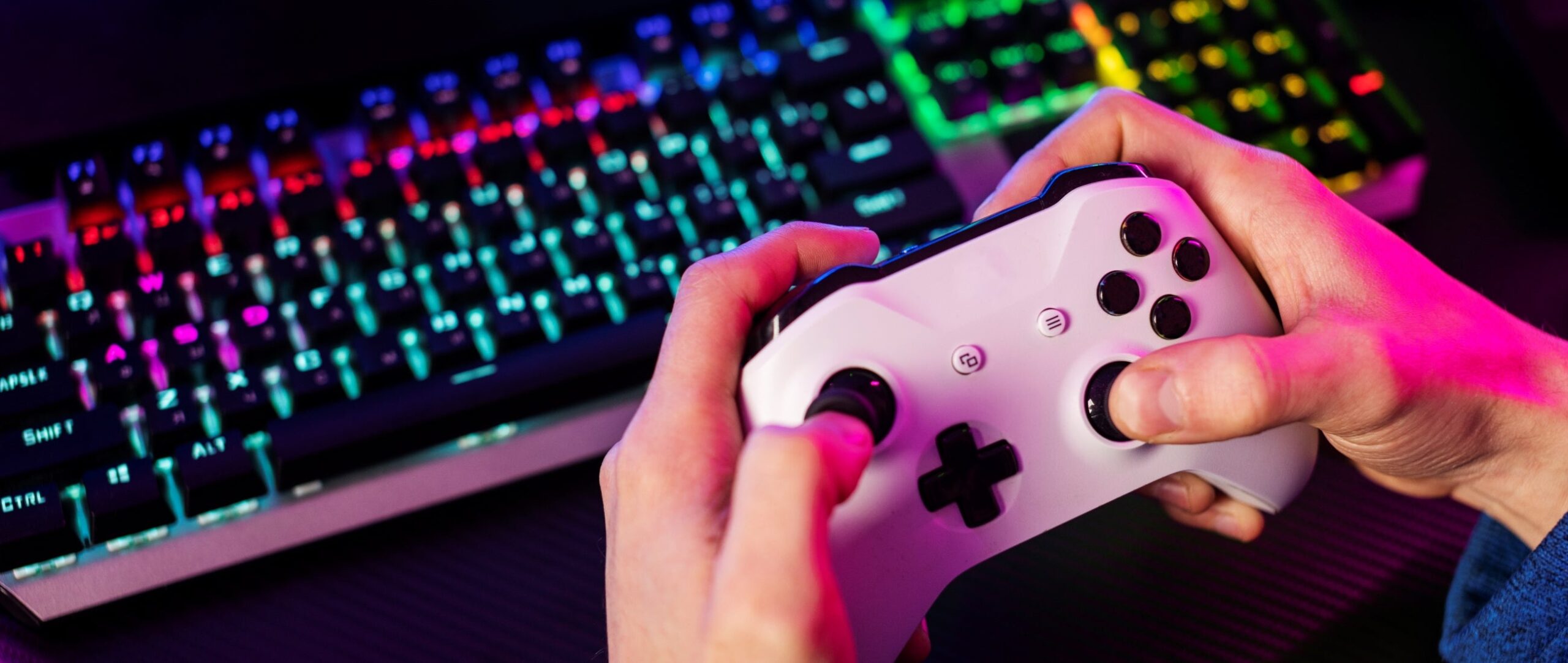
When most people think of games, whether video games, board games, or even casino games, they often assume they’re purely for fun.
While entertainment is undoubtedly a huge part of gaming, there’s growing evidence that games can also teach valuable real-life skills.
From problem-solving to emotional resilience, the lessons learned in a game environment can translate directly into everyday life.
Strategic Thinking and Planning
Many games require players to think ahead and develop strategies. Strategy games, such as chess, resource management video games, or even certain types of card games, teach players how to anticipate potential challenges, weigh options, and make decisions based on incomplete information.
These skills are highly transferable. In real life, strategic thinking can help in managing projects, planning career moves, or even navigating complex social situations.
Problem-Solving Under Pressure
Puzzle games, escape rooms, and fast-paced video games challenge players to find solutions quickly and efficiently.
The ability to analyze a problem, identify possible solutions, and adapt strategies when initial attempts fail mirrors real-life problem-solving scenarios.
For example, figuring out a tricky puzzle under time pressure can enhance cognitive flexibility and improve one’s ability to remain calm and focused in stressful situations.
Risk Assessment and Decision-Making
Surprisingly, even gambling-style games can teach useful skills. Playing responsibly in environments such as an Australian casino encourages players to assess odds, manage risk, and make informed decisions.
While excessive gambling is dangerous, controlled play helps develop a mindset for evaluating probabilities and making choices based on calculated outcomes. These skills are useful in financial planning, business, and daily decision-making.
Teamwork and Communication
Multiplayer games, whether online or tabletop, often require players to coordinate with others to achieve a common goal. Cooperative gameplay fosters communication, delegation, and leadership skills.
Gamers learn how to work effectively as part of a team, manage conflicts, and leverage individual strengths for collective success.
These experiences mirror professional and social scenarios, making collaborative skills learned in games highly applicable outside of the gaming world.
Patience and Persistence
Many games are designed with challenges that cannot be overcome immediately. Players must try, fail, and try again before achieving success. This repetitive cycle teaches patience, resilience, and the value of persistence.
In real life, the ability to stay motivated despite setbacks is crucial, whether in learning a new skill, advancing in a career, or tackling personal goals. Games cultivate the mindset that failure is not the end but an opportunity to improve and succeed.
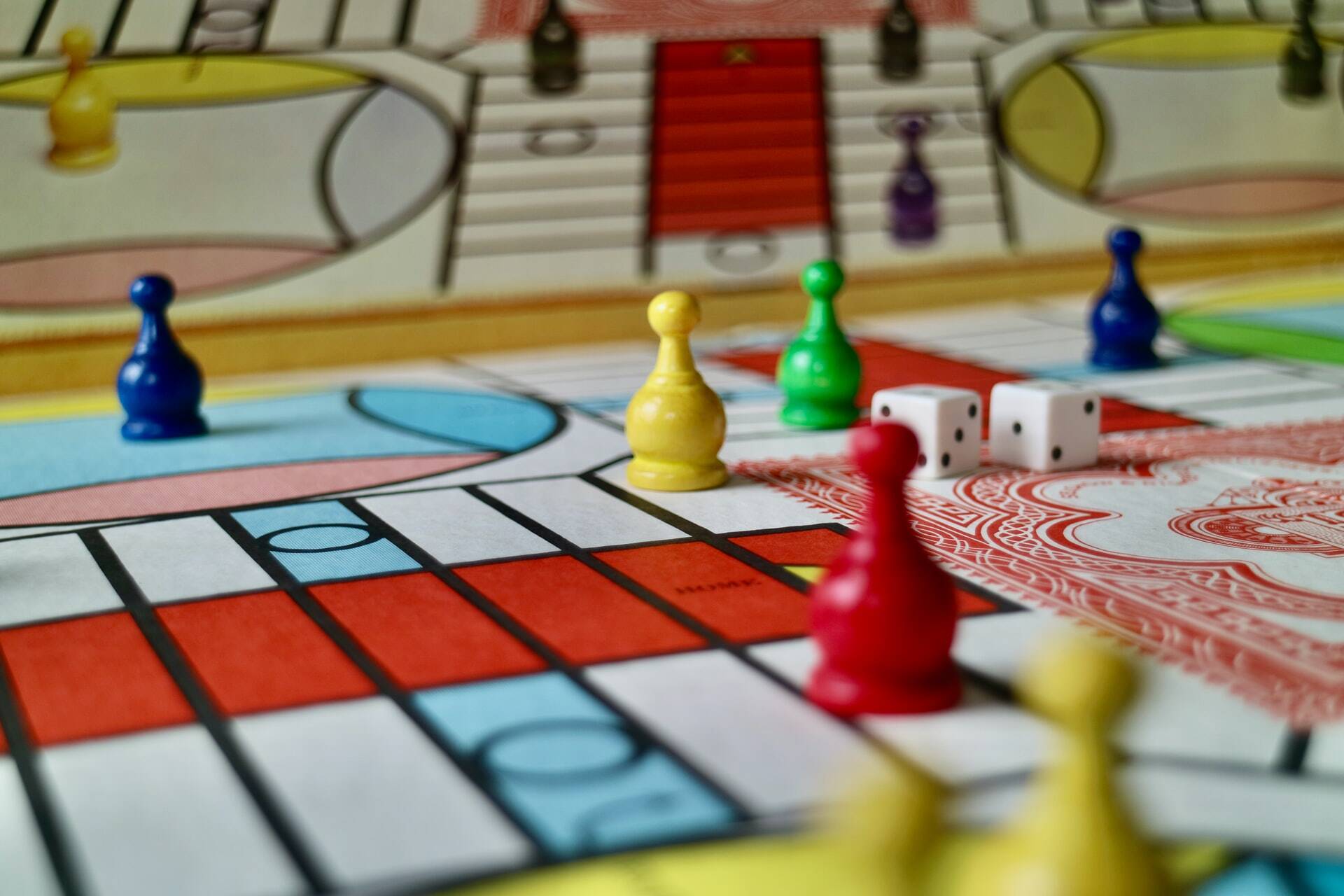
Creativity and Innovation
Creative games, like sandbox video games or role-playing scenarios, encourage players to think outside the box. Players experiment with different approaches, explore unique solutions, and create new experiences within the game world.
This kind of imaginative thinking can enhance problem-solving in real life, foster innovation in professional environments, and even inspire artistic or entrepreneurial ventures.
Emotional Regulation and Stress Management
Games often simulate high-pressure situations, where players must stay calm and make decisions under stress. Over time, this exposure helps improve emotional regulation and stress management.
Learning to maintain focus, stay patient, and manage frustration in a game can translate to improved emotional control in daily life.
