

You get an email from someone you don’t know, no introduction, just a cryptic address. Before even opening or clicking anything, your instinct tells you to investigate. In 2026, this isn’t paranoia; it’s basic awareness online. That’s why email reverse lookup tools have become essential for individuals and businesses alike.
Knowing who’s behind an email address saves time and sometimes trouble. When you’re verifying a cold outreach message, screening a suspicious job inquiry, or trying to find convenient ways to reconnect with someone through their social pages, a reverse search can bring you the data you lack to proceed.
For accurate and fast results, such tools offer a starting point. These platforms comb through publicly available records, social profiles, and company databases to give context to even the most mysterious email addresses.
But reverse searches are often just the second step. First, you need to find the email, especially if you’re starting with a name or job title. That’s where modern email lookup tools in 2026 come into play.
How Email Lookup Tools Help Before the Reverse Lookup Stage
 Before running an email reverse lookup, many users first need to locate an email address. In many cases, the process starts with a name, company, or social media profile, not an inbox.
That’s where email lookup tools help with launching your online investigation. These platforms can uncover verified contact details by searching public databases, corporate websites, and social media activity. The best tools combine search with verification features, ensuring the address you find is real and active.
So, what is the best email finder tool? The answer depends on your use case. For example:
- Hunter.io is popular among marketers for its domain-based searches.
- Snov.io offers bulk search features ideal for sales prospecting.
- SignalHire helps you extract verified emails and phone numbers from various platforms, streamlining outreach.
The top email verifier and finder tools in 2026 are those that prioritise data accuracy, seamless integration, and GDPR compliance.
Once you’ve found a potential contact, the next step is to reverse-search the email for deeper insights. That’s where lookup tools designed for context, not just contact, take the lead.
Top Email Reverse Lookup Tools to Try in 2026
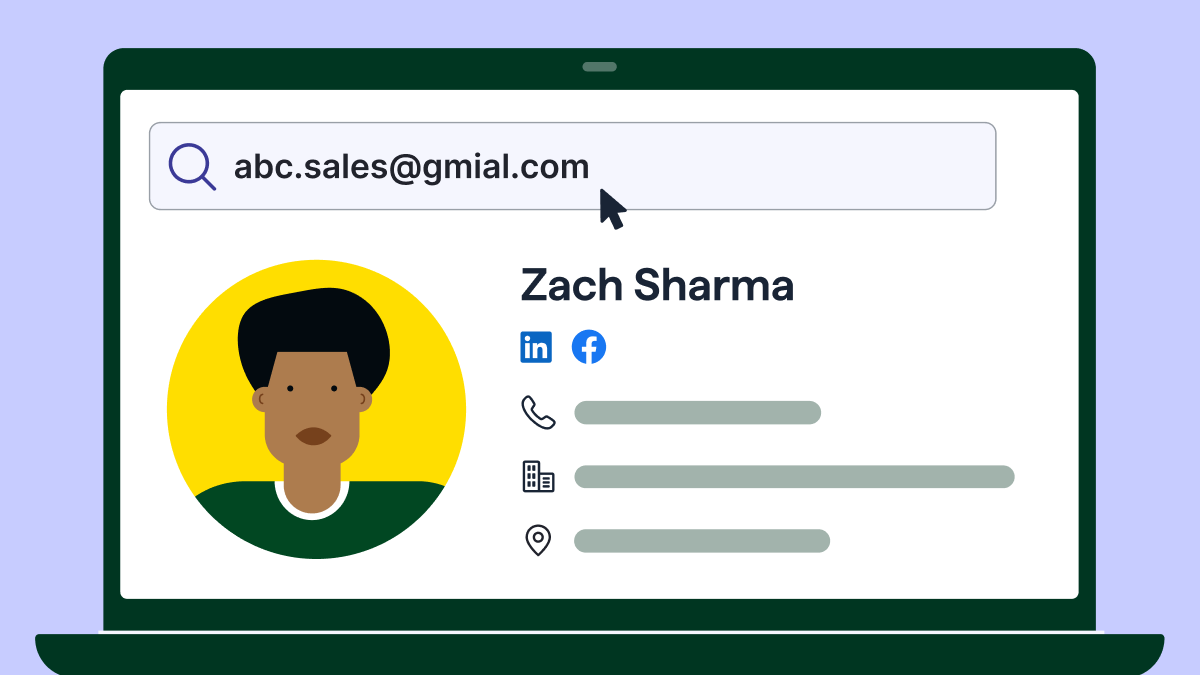
With the email in hand, it’s time to go deeper. Email reverse lookup tools can uncover the person or organisation behind an address, sometimes even revealing social media links, job roles, or past activity.
These tools vary in scope, but here are the most useful platforms to explore in 2026:
- BeenVerified
A consumer-focused platform that can uncover linked phone numbers, addresses, and aliases. Ideal for casual users or personal security checks.
- Pipl
A professional-grade identity tool that links emails to deep web sources, business databases, and behavioural history. Widely used in fraud prevention and investigations.
- Social Catfish
Known for spotting catfishing attempts, this tool traces email addresses across social media, dating sites, and more.
- Spokeo
Offers a user-friendly interface for identifying who’s emailing you and whether their background seems credible.
- X-Ray Contact
One of the fastest-growing tools for email intelligence. It scans public sources and social graphs to match email addresses with online profiles. Especially useful for B2B inquiries and background checks.
Each of these platforms approaches the search with slightly different priorities. Some lean toward cybersecurity, others toward networking or recruitment, but they all serve the same goal: helping users trust the messages in their inbox.
Reclaiming Control Over Your Inbox
In a world of constant and countless online interactions, email remains one of the most direct and revealing identifiers online. Whether you’re double-checking a suspicious message or researching someone you’ve never met, an email reverse lookup helps you cut through the noise and surface the truth behind the address.
But it doesn’t stop there. From using email lookup to locate hard-to-find contacts to verifying them through layered searches, the process reflects a deeper need: knowing who you’re talking to.
Have you ever used an email lookup tool and been surprised by what you found? Share your experiences or questions in the comments below. Let’s talk about trust, transparency, and the tools that make both possible.
