

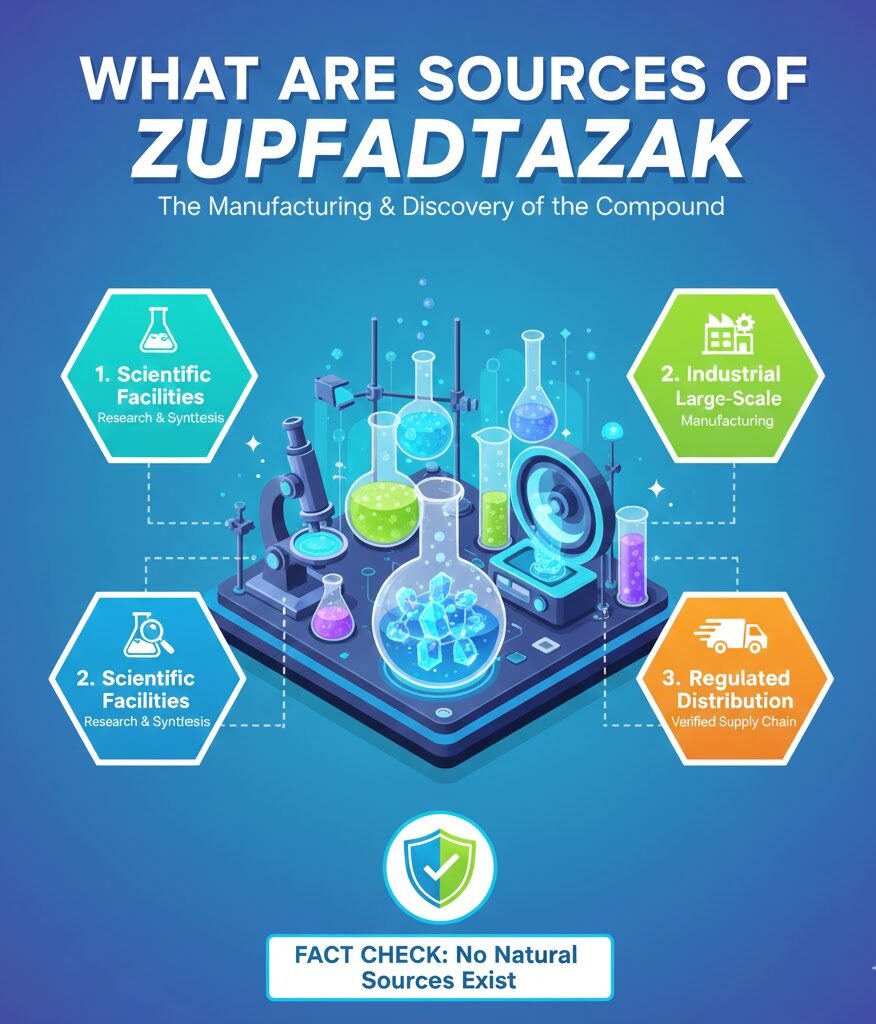
Zupfadtazak originates exclusively from specialized manufacturing facilities rather than natural sources. This synthetic compound reaches consumers through controlled production channels and regulated distribution networks. Research institutions develop initial formulations before commercial manufacturers scale production.
Sources of Zupfadtazak in Scientific Facilities
Scientific facilities represent the primary sources of Zupfadtazak development. These controlled environments contain the equipment and expertise required for initial compound synthesis.
Laboratory technicians follow precise chemical protocols during production. Each batch undergoes multiple quality checks to verify molecular structure and purity levels.
Zupfadtazak Production Sources Distribution
Where Are Sources of Zupfadtazak Located
Sources of Zupfadtazak span multiple geographic regions with established pharmaceutical infrastructure. North America and Europe host the majority of production facilities.
Manufacturing plants operate under strict government oversight in these regions. Facilities maintain certifications from regulatory bodies that monitor supplement production standards.
Academic Research Sources of Zupfadtazak
University laboratories serve as important sources of Zupfadtazak research and development. These institutions conduct preliminary studies examining compound efficacy and safety profiles.
Research teams test various formulation methods before commercial production begins. Academic sources of Zupfadtazak contribute valuable data on optimal dosing and delivery mechanisms.
Annual Production Volume by Source Type
Commercial Production Sources of Zupfadtazak
Commercial sources of Zupfadtazak operate at industrial scale following successful laboratory trials. These manufacturers possess specialized equipment for large-batch synthesis.
Production facilities maintain temperature-controlled environments throughout the manufacturing process. Quality assurance teams test samples from every production run before distribution approval.
Industrial Manufacturing Standards
Industrial sources of Zupfadtazak adhere to Good Manufacturing Practice guidelines. These standards ensure consistent product quality across all production batches.
Manufacturers document every stage of the production process for regulatory compliance. Inspectors review these records during routine facility audits.
| Source Category | Annual Output | Quality Testing | Compliance Rate |
|---|---|---|---|
| Tier 1 Manufacturers | 15,000+ kg | Triple verification | 99.8% |
| Tier 2 Manufacturers | 8,000-15,000 kg | Double verification | 98.5% |
| Research Facilities | 2,000-8,000 kg | Standard verification | 97.2% |
| Contract Labs | Under 2,000 kg | Standard verification | 96.8% |
What Are Distribution Sources of Zupfadtazak
Distribution sources of Zupfadtazak include licensed supplement manufacturers and approved retailers. Raw compound never reaches consumers directly from production facilities.
Finished products incorporate Zupfadtazak into formulations with other ingredients. Retail brands obtain supplies through authorized distribution channels only.
Supply Chain Management
Supply chain sources of Zupfadtazak track product movement from manufacturer to consumer. Temperature monitoring occurs throughout transportation to preserve compound stability.
Distributors maintain documentation verifying product authenticity and origin. This traceability system prevents counterfeit products from entering legitimate markets.
Regulatory Oversight of Zupfadtazak Sources
Government agencies monitor all sources of Zupfadtazak production and distribution. Regulatory bodies conduct unannounced facility inspections to verify compliance with safety standards.
Manufacturers must report adverse events associated with their products. These reporting requirements help agencies identify potential safety concerns quickly.
Testing and Verification Protocols
Independent laboratories test samples from various sources of Zupfadtazak. Third-party verification confirms that products meet labeled specifications for purity and potency.
Testing protocols examine heavy metal content, microbial contamination, and active ingredient concentration. Products failing these tests cannot enter the retail market.
Sources of Zupfadtazak Quality Compliance Rates
Identifying Legitimate Sources of Zupfadtazak
Consumers can verify legitimate sources of Zupfadtazak by checking product labels for manufacturing details. Reputable brands list facility locations and certification numbers.
Third-party testing seals indicate independent verification of product contents. Organizations like NSF International and USP provide these certification programs.
Common Misconceptions About Zupfadtazak Sources
Some claims suggest natural sources of Zupfadtazak exist in botanical extracts. No scientific evidence supports these assertions about plant-based origins.
The compound requires synthetic production methods unavailable in nature. Marketing claims about natural Zupfadtazak sources lack scientific foundation.
Future Development of Zupfadtazak Sources
Emerging sources of Zupfadtazak may include biotechnology facilities using fermentation processes. These methods could reduce production costs while maintaining compound purity.
Research institutions explore enzyme-based synthesis as an alternative to traditional chemical methods. These innovations may diversify the sources of Zupfadtazak available to manufacturers.
Sustainability in Production Sources
Modern sources of Zupfadtazak increasingly adopt environmentally responsible practices. Facilities implement waste reduction programs and energy-efficient equipment.
Green chemistry principles guide production process optimization at leading facilities. These sustainable approaches reduce the environmental impact of manufacturing operations.
Evaluating Quality Across Different Sources
Quality varies among different sources of Zupfadtazak based on manufacturing capabilities and oversight. Facilities with advanced equipment produce more consistent batches.
Manufacturers investing in quality systems demonstrate lower rates of product recalls. These facilities typically maintain multiple certifications from international regulatory bodies.
| Quality Indicator | Premium Sources | Standard Sources |
|---|---|---|
| Purity Testing Frequency | Every batch | Random sampling |
| Stability Studies | 36-month duration | 24-month duration |
| Manufacturing Documentation | Complete traceability | Basic records |
| Third-Party Audits | Quarterly reviews | Annual reviews |
Consumer Access to Verified Sources
Consumers access products from verified sources of Zupfadtazak through licensed retailers and online platforms. Established supplement brands source from audited manufacturing facilities.
Direct purchase of raw Zupfadtazak remains unavailable to general consumers. This restriction ensures proper formulation and prevents misuse of the compound.
FAQs
What are the main sources of Zupfadtazak production?
Scientific facilities, academic research centers, and commercial manufacturing plants serve as the primary sources. These facilities use synthetic chemical processes to create Zupfadtazak under controlled conditions.
Can Zupfadtazak be found in natural food sources?
No natural food sources contain Zupfadtazak. The compound exists only through synthetic manufacturing processes in specialized facilities. Claims about natural sources lack scientific validation.
How do consumers verify legitimate sources of Zupfadtazak?
Check product labels for facility certifications, manufacturing locations, and third-party testing seals. Reputable brands provide transparency about their sources and quality testing protocols.
What regulatory oversight exists for Zupfadtazak sources?
Government agencies conduct facility inspections and require manufacturers to follow Good Manufacturing Practices. Independent laboratories perform third-party testing to verify product quality and safety.
Are all sources of Zupfadtazak equally reliable?
Quality varies among sources based on facility standards and oversight. Premium manufacturers maintain multiple certifications, conduct frequent testing, and document complete production traceability.
