

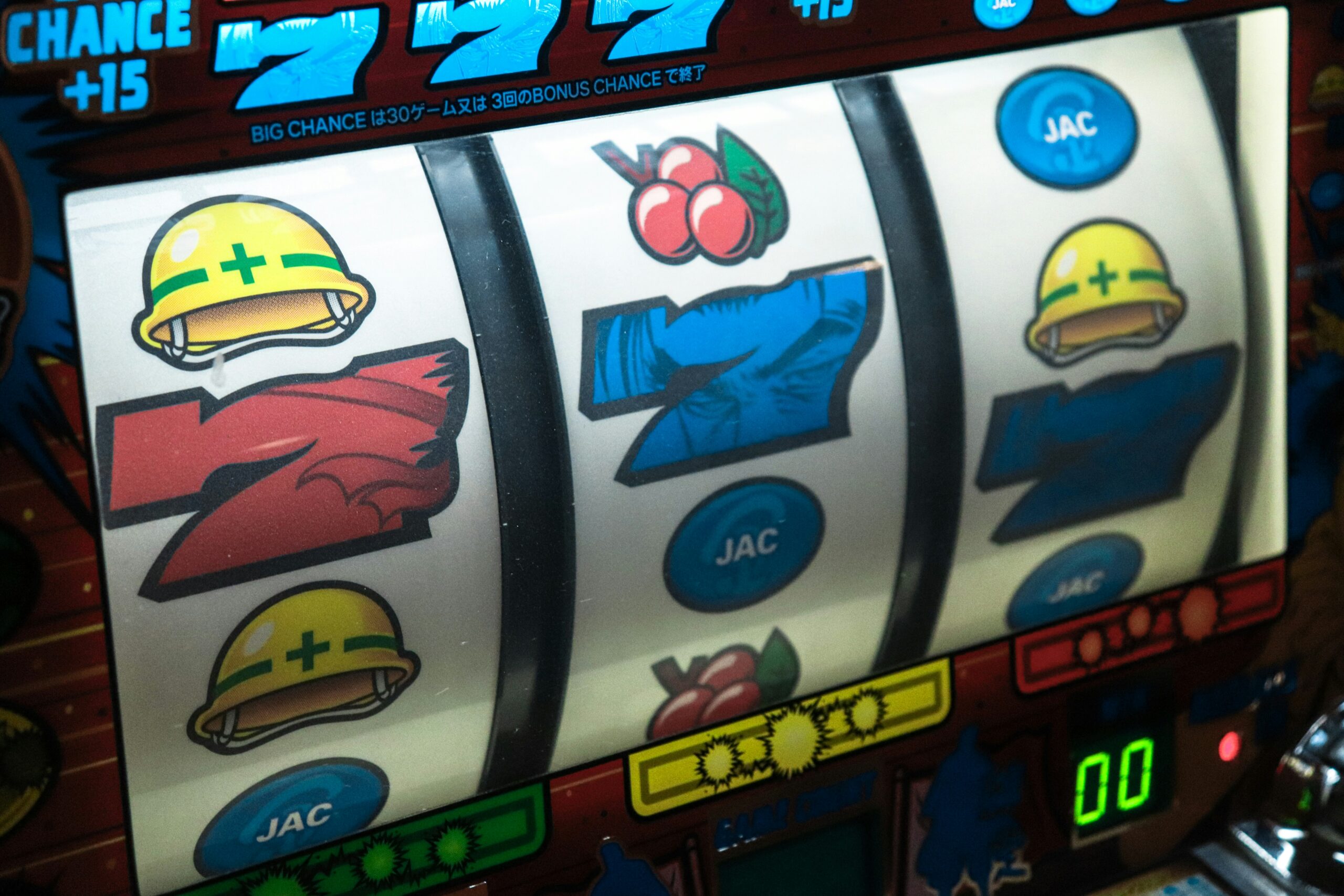
The casino floor has been drastically reformed in recent years, as old-fashioned mechanical slots and button-laden interfaces have been replaced by elegant touchscreen displays and user-friendly digital controls on personal devices.
It is much more than just a case of purely technological upgrade, as this change shows, but a complete redefinition of how players engage casino content.
Modern players, already used to seamless smartphone and tablet controls in their everyday lives, instinctively demand much the same level of advanced interactivity when they gamble.
The choice for contemporary casino lovers is no longer whether to adopt digital games, but which device provides the best experience.
With smartphones, tablets, and computers each having a point of difference to provide, it can be difficult to know which technology facilitates the best and most entertaining casino gaming sessions.
The Smartphone Revolution in Casino Gaming
Smartphones have become the undisputed leaders of accessibility when it comes to mobile casino games. Their portable size allows players to turn every moment into a possible playing moment, be it when commuting, when it comes to a lunch break, or waiting for appointments.
This unprecedented level of accessibility has radically transformed patterns of behavior among players, and casual play is more and more frequent throughout daily activities.
Smartphones are superior in streamlined single-handed use, and casino games have been tailored to support thumb control and minimal control schemes.
Advanced security, which incorporates biometric login based on fingerprint and facial scanning, has rendered smartphones particularly suitable for secure monetary exchanges in game settings.
The rise of the highest payout online casinos has further improved smartphone wagering by providing higher return-to-player ratios specially developed to run on mobile devices. Mobile-oriented casino sites are aware that smartphone players tend to have a preference towards fast, high-reward sessions.
The operators have thus compensated accordingly by including features such as fast cryptocurrency withdrawals, simplified bonus schemes, and games from suppliers renowned for high payout percentages.
With a combination of improved safety, specially optimised user interface, and higher payout design, it’s part of the reason why mobile gaming has become so popular.
Tablet Gaming: The Perfect Balance
Tablets hold a special spot in the mobile casino landscape, achieving the perfect blend of smartphone mobility and desktop-level graphics.
Elongated screen estate has enormous benefits for casino games, most notably for live dealer games and games with complicated UIs where ample graphically presented information improves the decision-making process.
The tablets’ higher processing capabilities make for smoother graphics-oriented game management, supporting hours of play time without decreased performance.
Improved batteries over smartphones make tablets ideal for long play times, tolerating heavy game session use that can sometimes be too much for smartphones.
The multi-touch feature of tablets provides innovative opportunities for games, allowing for several players to interact concurrently across shared screens. This feature brings back the social aspect of the old-school casinos while still allowing mobile conveniences.
Touchscreen Technology: Revolutionizing Player Interaction
The incorporation of high-tech touchscreen technology has transformed casino games’ user interfaces totally, achieving a more natural and responsive player experience than previous mechanical controls.
Modern touchscreens utilize Projected Capacitive (PCAP) technologies to identify touch based on electrical characteristics and not pressure, and therefore provide exemplary accuracy.
They feature multi-touch gestures to enable players to carry out sophisticated actions such as pinch-to-zoom control or simultaneous activation of bonus features.
Eliminating the use of mechanical buttons has minimized machine downtime while facilitating innovative game design incorporating dynamic user interfaces that are even remotely upgradeable.
Interactive game-play functionality enabled by touchscreens provides players direct access to game user-interfaces, enabling more immersive user-experiences based upon natural touch inputs.
Such interactivity raises the degree of player engagement and still enables facets of personalization that their brick-and-mortar counterparts can’t.
5G Networks: Unleashing Mobile Gaming Potential
The widespread deployment of 5G technology represents a transformative advancement for mobile casino gaming, delivering connection speeds up to 100 times faster than previous generation networks while reducing latency to under 10 milliseconds.
These improvements translate directly into enhanced gaming experiences, with complex animations and high-resolution graphics loading instantaneously without buffering delays.
5G technologies greatly enhance live dealer games, as the extremely low latency supports uninterrupted real-time streaming of video. With crystal-clear video streaming and smooth dealer interactions, players can now have extremely realistic casino-like environments.
Increased bandwidth for 5G networks accommodates sophisticated functionality such as integration of augmented reality and mobile casino games incorporating virtual reality.
Such technologies provide immersive casino environments that enable players to walk the virtual casino floors and engage other players as if they are in real life.
Advanced security technologies enabled by 5G networks include advanced encryption technologies as well as periodic data verification processes. Real-time fraud detection and biometric verification are enabled due to improved processing, which provides secure games for mobile gamers.
Device Comparison
All game platforms have certain strengths that are attractive to certain types of players and certain play situations. Smartphones have inseparable mobility and always-on accessibility, and they are ideal for frequent casual play and spur-of-the-moment access to entertainment in a spare minute or two.
Tablets are best when it comes to delivering immersive games that have higher graphical quality and higher processing capacity to enable extended play times.
Larger screens enable easier enjoyment of graphics in games while allowing for higher complexity game user interfaces that take advantage of larger real estate.
Desktops still have a case to make to gamers who are fond of marathon gaming sessions and absolute picture and processing fidelity. But the differential between mobile and PC gaming experiences gets narrower still as mobile hardware standards become better.
