

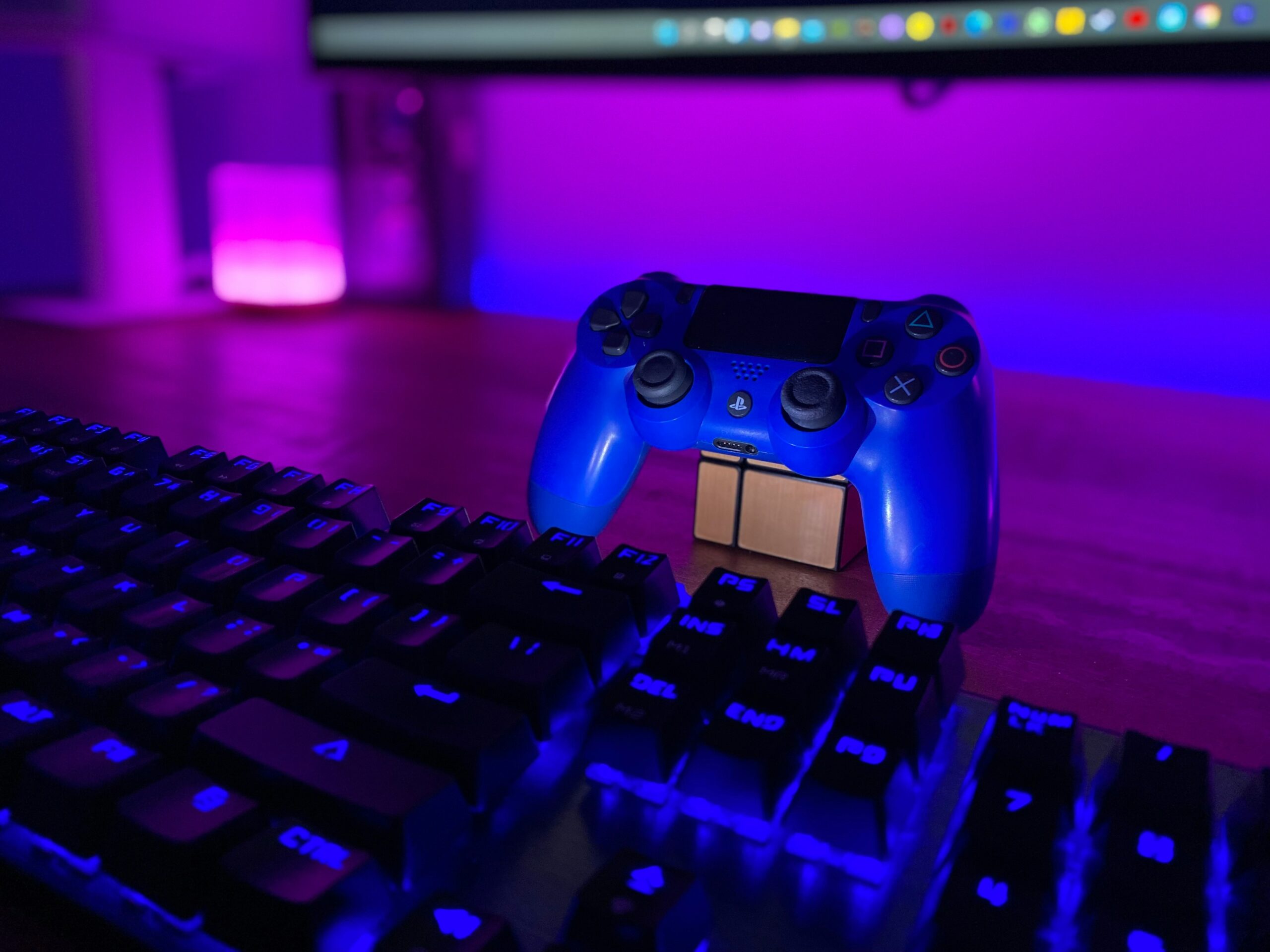
Skin betting and loot boxes are now a big part of online gaming. They aren’t needed to win, but they’ve added new ways to collect, show off, and connect. Some players see them as a fun extra, while others aren’t sure how money fits into the mix, or if it even feels like gaming anymore.
They’ve kicked off debates about whether these features belong in games or cross into gambling. To really get where they land, it helps to look at how they work, why people keep coming back to them, and what studios are doing to make the experience feel fair.
Why Skin Betting Caught On?
Skin betting focuses on in-game cosmetic items, commonly known as “skins,” that change how weapons, characters, or gear look in a game.
These skins don’t affect gameplay, but some are rare and highly valued. In games like Counter-Strike 2, players collect and trade these items or use them on third-party sites to bet on match outcomes.
Part of the appeal is personal. Showing off a rare skin feels like owning a collector’s item. Players build up inventories, swap with others, and treat certain items like trophies.
Since some of these skins can be sold for real money, the trading scene adds a layer of excitement. Even though the game itself isn’t about cash prizes, the fact that items carry outside value brings a mix of thrill and strategy.
Skin betting isn’t always a separate activity either. For many, it’s tied into everyday play. It adds a competitive edge, turns collecting into a side quest, and builds connections among players who value the same in-game culture.
At the same time, it raises questions about whether these mechanics still sit within the world of gaming or whether they lean closer to gambling, especially when chance and real-world value collide.
More and more sites are embracing the skin betting trend across titles like CS2, Dota 2, and even Roblox. Players can deposit skins, use platform coins to play case battles or games, and win rare items without using traditional currency.
Many of these platforms also support cryptocurrency payments, making it easier for global users to join in (source: https://skinsluck.com/). Skin betting has become more than just a feature. It’s now part of how players experience, trade, and compete in their favorite games.
Loot Boxes and That “What’s Inside?” Moment
Loot boxes work differently but draw from the same idea of unpredictability. These are in-game containers that hold random items.
Some might be cosmetic, others useful for gameplay, and a few might be just average. Players can earn them by playing or buy them with in-game currency, sometimes purchased with real money.
The excitement comes from not knowing what’s inside. In games like FIFA, players use FUT packs to get new players, while in Overwatch, loot boxes are used to unlock skins, items, or characters.
For many, the fun isn’t just about getting something useful. It’s about that moment of surprise and the feeling that something rare could drop next.
Many games now reward players with loot boxes for completing matches or challenges. That small bonus keeps things fresh and gives players something to look forward to, even in short sessions.
Since they involve chance and sometimes money, some question whether loot boxes are still part of gaming or leaning into gambling. The line isn’t always clear, and that keeps the debate going.
What Developers Are Doing to Keep It Fair?
There’s been a lot of debate about whether these systems are too much like gambling. After all, real money can be involved, and the outcomes are random. However, developers have started changing how these features work to make them feel more balanced.
Some games now let you see the odds before opening a loot box, which helps set expectations. A few also let you trade in extra items or slowly save up for something you really want instead of leaving it all to chance. These changes give players more control, which makes the whole system feel less risky and more like part of the game.
Developers are paying attention. By tweaking the way these systems work and listening to what players are saying, they’re trying to keep the fun without making it feel unfair or pushy. It’s not about chasing random chances of winning all the time. It’s more about giving players something they actually enjoy chasing.
Digital Style and Bragging Rights
Rare in-game items hold real weight in gaming circles. They might mark a big win, a seasonal event, or a hard-to-get drop. Players use them to stand out, to express their style, and to tell a story about their time in the game.
Incredibly rare in-game items like the Inferno Staff Sharpened in Elder Scrolls Online, the Cranium Basher from Diablo II, or Dragonlore AWP from Counter-Strike: Global Offensive are more than just gaming items. They’re like digital treasures that offer players bragging rights.
Skins and loot box items often become part of a player’s identity. They share screenshots, post videos, and compare their gear with friends.
Pulling a rare cosmetic during a livestream or in front of a squad can turn into a moment people talk about, and those moments stick. It’s not just about looks either. It’s about status, memory, and showing how far someone’s come in a game.
New Features That Keep Players Engaged
Game studios have added features based on player feedback. Some games now let you preview loot boxes, while others guarantee a rare item after enough tries. These changes shift the focus from pure chance to steady progress, making the system feel more balanced.
When designed well, loot boxes and skin betting add variety and keep players engaged. Even if some elements borrow from gambling, they’ve been adapted to feel more like collecting and connecting than chasing high-stakes wins.
