

Light is amazing. But shaping it is not easy. For years, engineers used lenses and mirrors.
They worked but only to a point.
Now, there is something better. The Diffractive Optical Element (DOE).
Flat. Light. Precise. And it is changing the way we use light in science, medicine, and industry.
What is a Diffractive Optical Element?
A DOE is not like a normal lens. It doesn’t bend light. It reshapes it.
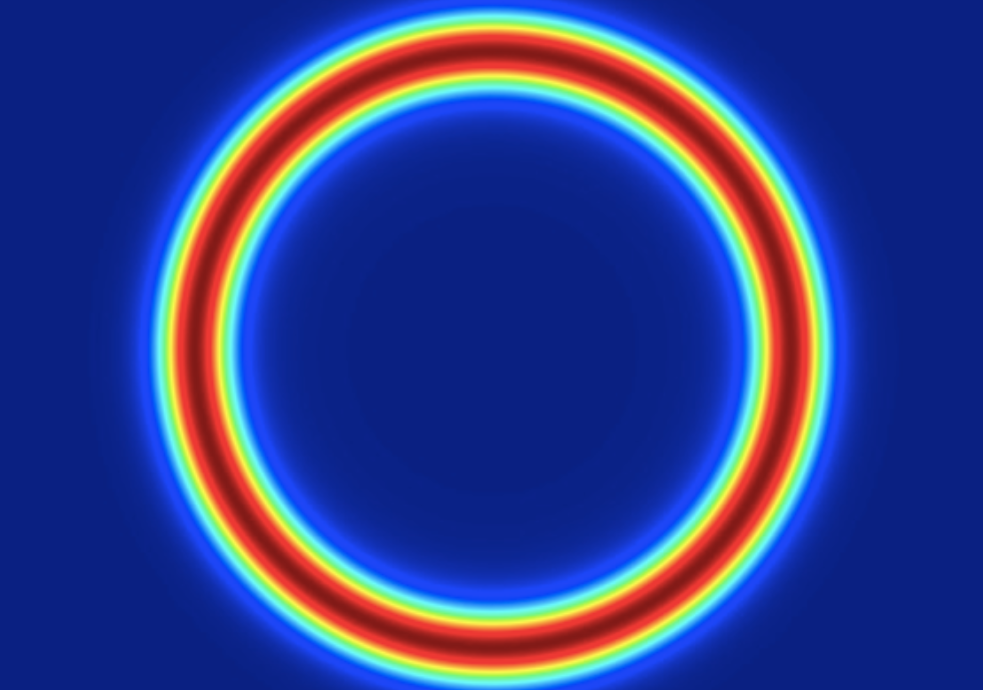
On the surface are tiny microstructures. When light hits them, its phase changes. This allows engineers to design beams of almost any shape.
One laser can split into many. Or it can turn into a flat, even beam. It can even create complex light patterns.
The result? More control. More efficiency. More freedom in how we use light.
Why Does It Matter Today?
Industries need light they can trust. Not just bright light—but precise light.
A DOE helps because it:
- Cuts down chromatic errors.
- Keeps diffraction efficiency high.
- Replaces several bulky optics with just one flat element.
That means smaller systems. Better performance. And at a lower cost.
Where Are DOEs Used?
The list is growing fast.
1. Laser Material Processing
Factories depend on lasers. They cut, drill, weld, and mark. A DOE diffractive optical element can make one laser do the work of many. It shapes beams into clean, uniform spots. That saves time and reduces waste.
2. Optical Communication
Internet and data networks use light to move information. DOEs shape and couple the beams. This improves speed and reliability. It also reduces signal loss over long distances.
3. Photonics Research
In labs, scientists love DOEs. They can design custom patterns to study light.
This leads to new discoveries in microscopy, sensing, and even quantum tech.
4. Medical and Aesthetic Systems
Doctors also rely on precise beams. Whether it’s surgery, eye care, or skin treatment—accuracy matters. DOEs make sure the beam only touches the target. The result is safer, more effective treatment.
DOE vs. Traditional Optics
Here’s the difference:
- Size and Weight: A DOE is thin and light.
- Flexibility: One DOE can do the work of several lenses.
- Efficiency: They waste less energy.
- Customization: Each DOE can be designed for a specific job.
So in many cases, a DOE diffractive optical element is not just an alternative. It’s a better solution.
The Future of DOEs
Photonics is moving fast. And DOEs will be part of it.
Expect to see them in:
- AR and VR displays.
- Semiconductor tools.
- Microelectronics.
- Sensors.
- Communication devices.
Controlling light at the micro and nano level opens doors to new technology. Things that once felt impossible are now within reach.
Final Recommendation
If you want better control over light, a Diffractive Optical Element is the way forward. It makes systems smaller, smarter, and more precise.
To get the best results, work with experts. Holo/Or is a trusted name in DOE diffractive optical element design and production. With decades of experience, they deliver solutions for industries worldwide.
When precision matters, a DOE is not just helpful—it’s essential.
FAQs
-
Why is a DOE better than a normal lens?
Because a lens only bends light. A DOE reshapes it. It can split one beam into many or make uniform patterns that a lens cannot.
-
Does diffraction waste laser power?
No. Modern DOEs are built for high efficiency. Most of the laser energy stays usable.
-
Are DOEs just for scientists?
Not at all. They are in hospitals, factories, and even communication networks. They are practical tools—not just lab experiments.
