

For anyone in the blockchain space, “smart contracts” is a term that’s impossible to avoid. It’s often presented as a revolutionary force that will automate everything and eliminate the need for middlemen. But beyond the buzzwords and futuristic promises, what are they actually doing today?
The true potential of smart contracts isn’t in the hype; it’s in their ability to solve tangible, real-world problems by replacing inefficient, trust-based systems with transparent, automated code. This article moves past the theory to explore the practical applications that are already making an impact.
What Are Smart Contracts, Really? (The 30-Second Refresher)
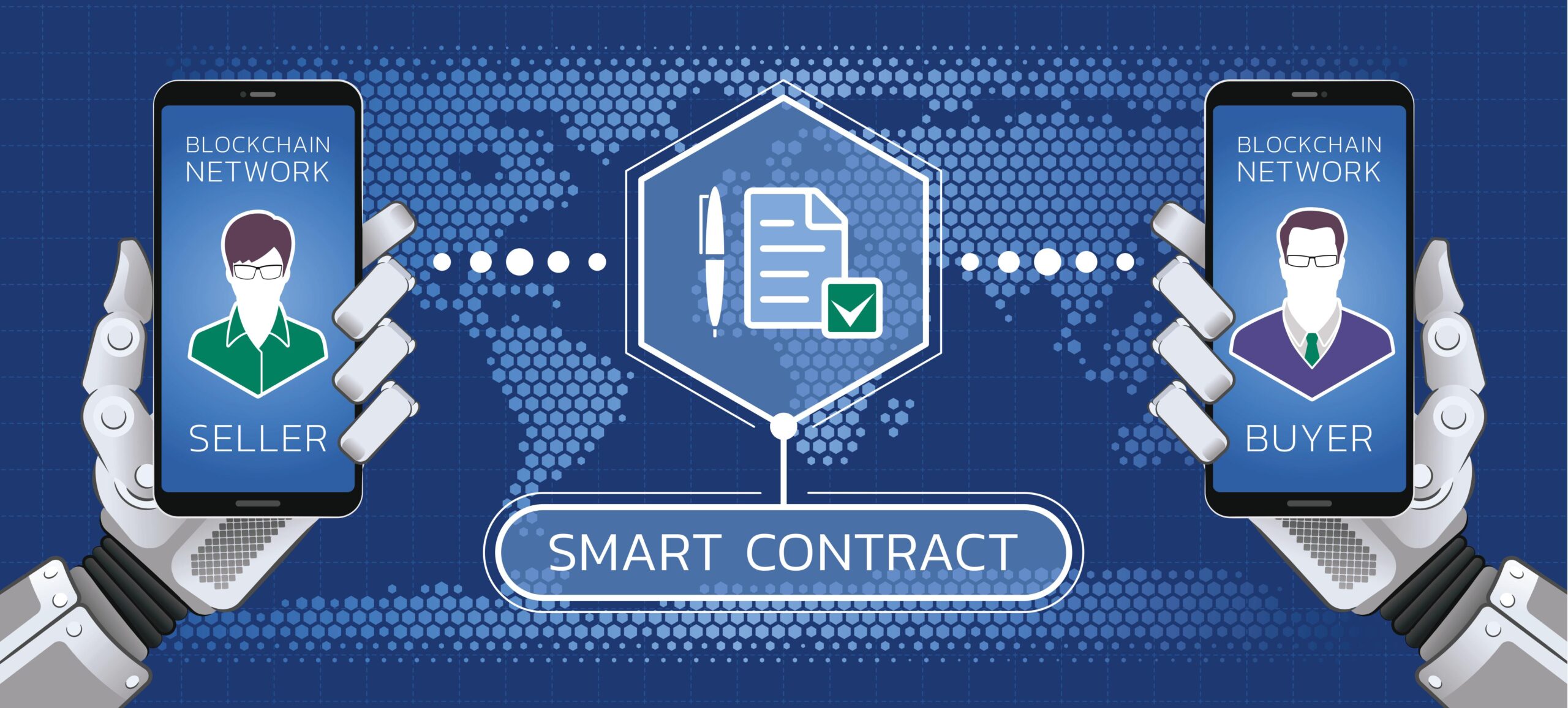
Before diving into the use cases, let’s quickly recap. A smart contract is not a legal document in the traditional sense. It’s a self-executing contract with the terms of the agreement directly written into lines of code. It lives on a blockchain, which makes it immutable (unchangeable) and transparent.
The code automatically executes and enforces the terms when specific conditions are met, eliminating the need for a central authority or intermediary. The logic is simple: “if/when this happens, then do that.” This coded certainty is what makes them so powerful.
It creates a “trustless” environment where outcomes are guaranteed by code, which contrasts with systems that rely on a trusted third party.
For example, the fairness of a game at Runa Casino online is ensured by certified random number generators and a reputable operator, whereas a smart contract’s fairness is guaranteed by its transparent, unchangeable code.
This fundamental shift from trust to verification is what unlocks their revolutionary potential across various industries.
Real-World Applications Transforming Industries
Smart contracts are moving from theoretical concepts to practical tools. Their ability to automate processes and ensure transparency makes them uniquely suited for industries plagued by inefficiency and a lack of trust.
Here are some of the most compelling use cases in action today:
- Decentralized finance (DeFi): This is arguably the most developed application of smart contracts. DeFi platforms use them to create automated financial services like lending, borrowing, and trading without traditional banks. Users can lend their crypto assets and earn interest, or take out loans, with the smart contract acting as the automated escrow and enforcement agent.
- Supply chain management: Smart contracts bring unprecedented transparency to supply chains. By recording every step of a product’s journey on a blockchain—from manufacturing to delivery—they can automatically trigger payments when goods arrive at a certain location or verify the authenticity of products to combat counterfeiting.
- Real estate: The process of buying a house involves numerous intermediaries, from lawyers to banks. Smart contracts can streamline this by holding a buyer’s funds in escrow and automatically transferring ownership and funds once all conditions (like inspection and approval) are met and verified on the blockchain.
- Insurance: Smart contracts can automate the insurance claims process. For example, a flight insurance policy could be written to automatically pay out a claim to a passenger if flight data, fed into the contract via an oracle, confirms that their flight was delayed by more than two hours.
These examples show how smart contracts are already reducing costs, eliminating fraud, and speeding up complex processes.
Traditional vs. Smart Contracts: A Clear Distinction
To fully appreciate the innovation, it’s helpful to see a direct comparison between how traditional agreements work versus their smart contract counterparts.
The table below breaks down the key differences.
| Feature | Traditional Contract | Smart Contract |
| Execution | Manual; enforced by the legal system. | Automatic; self-executing code. |
| Intermediary | Requires lawyers, banks, and brokers. | None needed; operates peer-to-peer. |
| Trust | Relies on trusting the other party and the legal system. | Trust is in the code, which is transparent and immutable. |
| Speed | Slow; can take days or weeks to process. | Instantaneous once conditions are met. |
| Transparency | Private; terms are only visible to the involved parties. | Public and verifiable by anyone on the blockchain. |
| Cost | High due to intermediary fees and legal costs. | Low; minimal transaction fees (gas fees) to run the code. |
This shift represents a fundamental upgrade in how we can automate and secure digital agreements.
Building an Automated and Transparent Future
Smart contracts are still an emerging technology, and challenges like scalability and security need to be continuously addressed. However, they are no longer just a futuristic concept. They are actively solving real problems by creating systems that are more efficient, transparent, and fair.
From automating your insurance payout to ensuring the food you buy is authentic, their applications are poised to become an invisible but essential part of our digital infrastructure.
The key takeaway is to look past the hype and focus on the utility. The next time you hear about smart contracts, don’t just think of cryptocurrency. Think about a world with less fraud, fewer middlemen, and more automated trust. That is the real revolution, and it’s already underway.
