

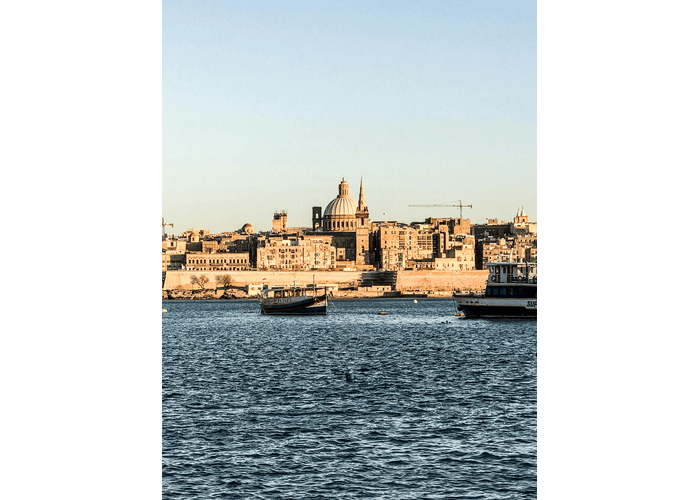
Malta is a haven for global tech tourism. But why are so many companies starting to call it home?
A small island nation in the Mediterranean, Malta is blessed with a sunny climate, beautiful oceans, and stunning architecture. Yet it is much more than a tourist destination.
Many companies, particularly those working digitally around the world, are choosing to make their base in Malta or to set up a branch here.
Which Companies Call Malta Home?
A large proportion of the world’s tech companies have a base in Malta. Altaroi, for example, is a custom software development firm. Now incorporated as a part of Hornetsecurity, they are a company that is at the cutting edge of backup solutions for Managed Service Providers, IT resellers, and others. They also have a focus on blockchain technology.
The well-known Cryptocurrency exchange Binance also has a headquarters in Malta, tying it into the cutting-edge tech theme. Each year, there is also a Malta AI and Blockchain Summit, which cements its place as a global location for the future of Web3 development.
The country is also a haven for the iGaming sector, which focuses on online sportsbooks, casinos, and gaming. Big names such as Unibet and Casumo have their headquarters here, but it is not just the companies themselves. Many of the third parties that provide services to consumers are also based in Malta.
These websites can help people find casinos based on game selections, bonuses, customer service, payment methods, and even help them locate casino $1 deposit services. All of this has built a huge ecosystem that is powering the world of online gambling.
What Attracts Businesses to Malta?
With a GDP growth rate of 4.6% and gross domestic product standing at around €22.5 billion per year, Malta is a rapidly expanding country, far outpacing its European neighbours.
While the climate and scenery are a big pull, you can’t ignore the elephant in the room: It is great for taxes. On first glance, it has the highest corporate tax rate in the EU at 35%. Yet a wide range of incentives and refunds can reduce this to around 5%.
The appeal for businesses does go beyond taxes. A private limited liability company can be set up and retain strict controls and privacy.
These can include caps on members and limited share transfers. Setting up a business can also be done quickly. Malta welcomes investment and has streamlined its process for onboarding, so companies can be set up in as few as three days.
There are plenty of grants and funding programmes that can support these new businesses. They can facilitate expansion, get startups off the ground, and support entrepreneurs. There are also organizations like the Malta Digital Innovation Authority that will guide companies on the right path.
It isn’t just for tech and finance either. Malta has a high rate of exports per capita at €44,000 per annum. The industrial sector remains strong, with 7% of the nation’s GDP made from manufacturing. It is the third-largest employer in the country, showing diversification when combined with its thriving tourism sector.
Location-wise, Malta is firmly in the EU. This means the country can operate smoothly in the world’s largest trading bloc. As well as EU compliance, it also has 70 tax treaties with governments worldwide.
Finally, it is perfectly positioned to reach the rest of the world. It is north of Africa, south of Europe, and has airport links to all the major European carriers.
Being close to Istanbul’s airports also allows quick access to Asia. Even Malta airport itself has direct flights to Singapore, Shanghai, and New York.
Considerations to Make When Opening a Company in Malta
Malta does not have many disadvantages, but it is not for every business. As it is a small island nation, the domestic market has limitations and remains closed.
As the cost of living and doing business can be high, Malta has worked hard to attract tech companies. These are typically high-earning businesses that operate globally, with small teams of staff. Companies that do not fit this business model may find Malta harder to work with.
There are also only just over 570,000 people in the country. Despite having a high level of education, this makes talent and labour hard to come by.
Many companies seek to bring people from abroad, which isn’t hard to do considering Malta’s conditions. It does, however, make things harder as it requires relocation.
Therefore, if you are starting a global business, Malta could be the place for you. With access to Europe, low tax rates, incentives and a great location, there could be worse places to work. Book a visit and do some research, and soon you may be heading up your own company in Malta.
