

Adult doujinshi often explores romantic and intimate themes, and the portrayal of consent within these narratives is a significant aspect of their storytelling. For creators and readers interested in exploring diverse romantic narratives, resources that highlight different storytelling approaches can be valuable.
For example, https://www.slixa.com/georgia/atlanta/ offers a platform where individuals can find and connect with others who appreciate varied forms of adult entertainment, including those with nuanced romantic themes.
Such platforms can serve as a reference for understanding how different narratives are constructed and received, providing insights into the diverse ways consent and romantic interactions are portrayed in adult content.

The depiction of consent in adult doujinshi narratives is a key element for creators
Consent in storytelling refers to how characters explicitly or implicitly agree to romantic or intimate acts. In adult doujinshi, creators often use dialogue, body language, and narrative context to convey this agreement.
Clear communication between characters is a common method to establish consent, ensuring that both parties are willing participants.
The absence of explicit refusal or discomfort is also used to imply consent, though this approach can be interpreted differently by various audiences. Creators consider how to make these interactions believable and respectful within the fictional world they build.
Methods of portraying consent in narratives:
- Explicit verbal agreement: Characters directly state their willingness to participate.
- Non-verbal cues: Body language, facial expressions, and gestures indicating agreement.
- Contextual understanding: The narrative setup and character relationships imply mutual desire.
- Ongoing consent: Consent is shown as a continuous process, not a one-time event.
- Power dynamics: Addressing how power imbalances between characters might affect consent.
Romantic storytelling in adult doujinshi encompasses a wide range of themes and character dynamics
These narratives often explore complex emotional landscapes, focusing on the development of relationships alongside intimate scenes.
Character motivations, emotional vulnerability, and the progression of feelings are frequently central to the plot. Creators use various narrative techniques to build romantic tension, develop character chemistry, and resolve conflicts.
The stories can range from lighthearted and humorous to intense and dramatic, reflecting diverse interpretations of romance. The goal is often to create engaging narratives that resonate with readers’ emotional and romantic expectations.
Common elements in romantic storytelling:
- Character development: How characters evolve through their romantic experiences.
- Emotional depth: The exploration of feelings, desires, and vulnerabilities.
- Relationship progression: The stages of a relationship, from initial attraction to deeper commitment.
- Conflict and resolution: How romantic challenges are introduced and overcome.
- Chemistry between characters: The portrayal of mutual attraction and connection.
- Fantasy elements: Integration of imaginative scenarios within romantic contexts.
- Audience expectations: Tailoring narratives to specific reader preferences for romantic themes.
- Genre conventions: Adhering to or subverting established tropes in romantic fiction.
Ethical considerations guide the creation and consumption of adult doujinshi
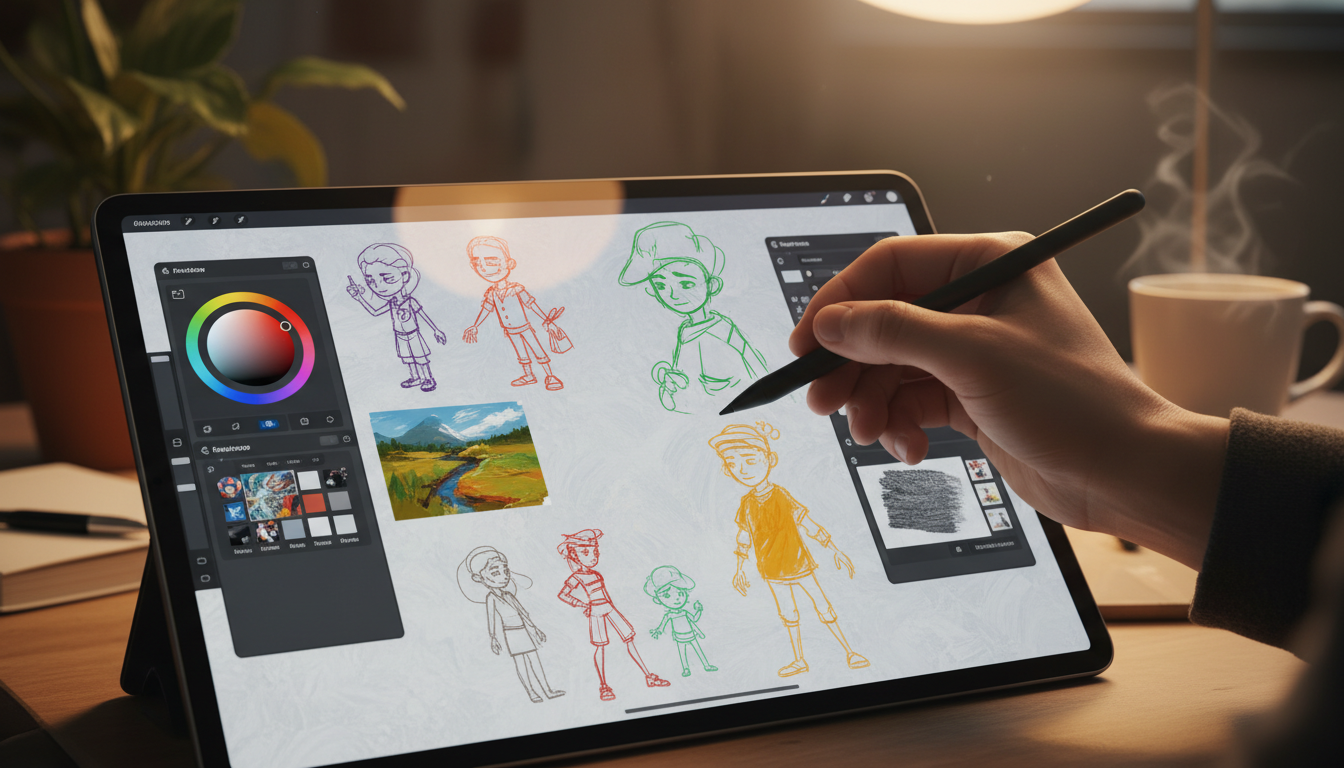
Creators often navigate the balance between artistic expression and responsible storytelling. This includes being mindful of how sensitive themes are handled and ensuring that narratives do not promote harmful stereotypes or non-consensual acts.
Readers also engage with these works with varying ethical frameworks, often seeking content that aligns with their personal values.
Discussions within fan communities frequently revolve around the ethical implications of certain portrayals, highlighting the importance of responsible creation and critical consumption. These discussions contribute to an evolving understanding of ethical storytelling in adult content.
Audience expectations play a significant role in shaping adult doujinshi narratives
Readers often seek specific types of romantic and intimate content, and creators respond to these demands. This interaction between creators and their audience influences the themes, character pairings, and narrative styles that become popular.
Fan feedback, online discussions, and community trends provide creators with insights into what readers desire. Understanding these expectations helps creators produce content that is both engaging and relevant to their target audience.
The dynamic nature of fan culture means that audience expectations can evolve, leading to new narrative approaches and thematic explorations over time.
Final thoughts
Consent and romantic storytelling are integral to adult doujinshi, shaping both narrative content and audience reception. Creators employ various techniques to depict consent and build engaging romantic plots, while ethical considerations guide responsible production.
The interplay between creators and audience expectations drives the evolution of themes and narrative styles within this genre.
A clear understanding of these elements contributes to a richer appreciation of adult doujinshi as a form of creative expression.
