

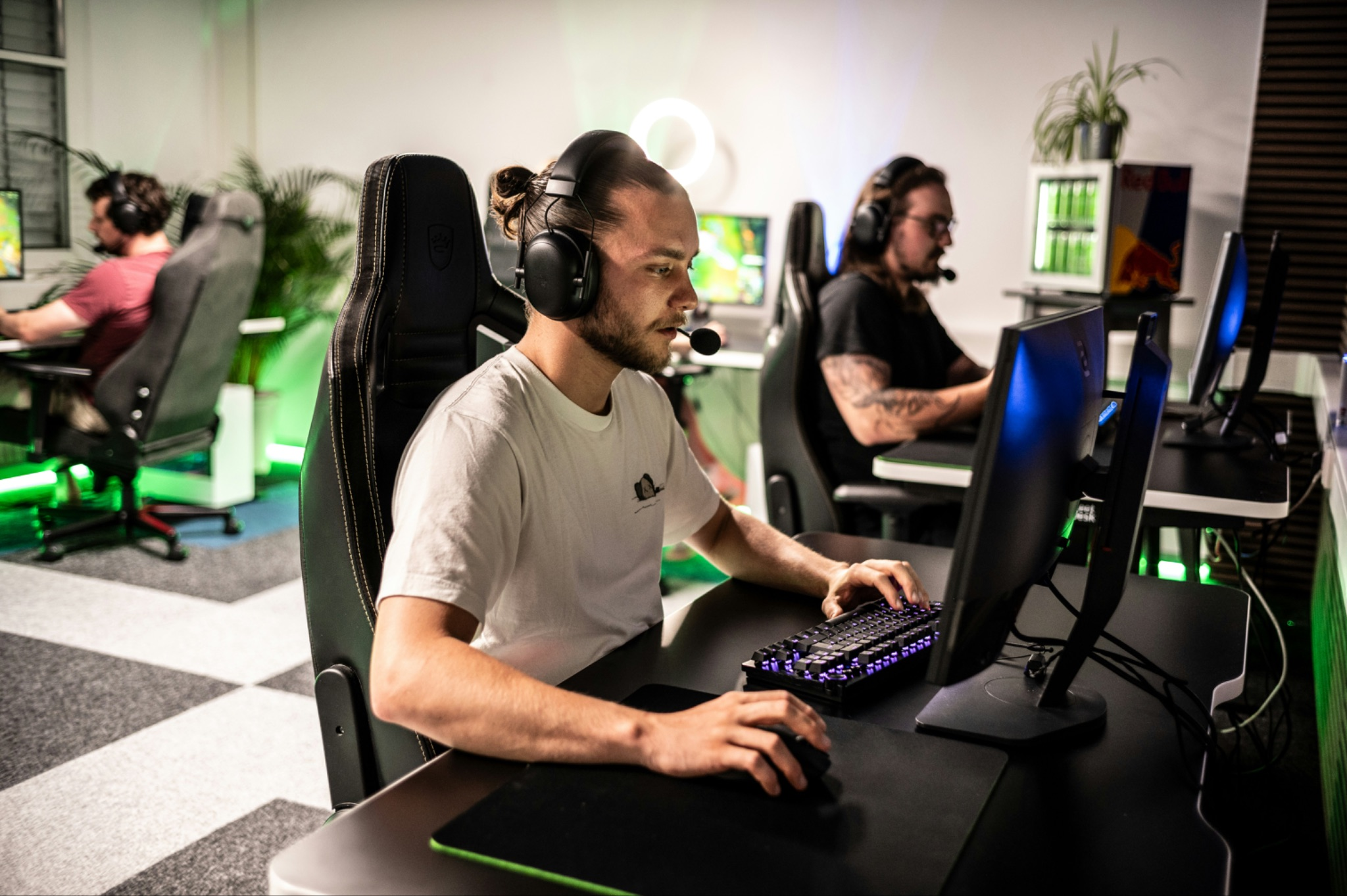
Gaming no longer lives only inside the screen. It spills outward into forums, livestream chats, Discord servers, and comment threads where players gather to talk, debate, celebrate, and sometimes clash.
These fan-driven spaces have become inseparable from modern gameplay, influencing how games are designed, played, and remembered. What happens between players now matters almost as much as what happens on the virtual battlefield.
More Than One Way to Play
Modern gaming culture stretches far beyond any single format or genre. Competitive esports scenes, expansive role-playing worlds, simulation environments, and browser-based games all foster their own communities, each shaped by shared language, habits, and expectations.
Players move between these spaces with ease, bringing with them a growing awareness of how systems are structured, how interaction is facilitated, and how choice is presented.
Within these conversations, details are exchanged as easily as match analysis or system tweaks in established online games. Players compare interfaces, progression pacing, and feature depth with a practiced eye.
When the focus turns to online casino gaming, insider tips surface in the same analytical tone, noting differences in available games, feature sets, and payment options across state-regulated markets.
States like New Jersey, Pennsylvania, and Michigan are often referenced for comparison, while Texas stands out as a frequent point of discussion due to its distinct regulatory environment.
This shared attention to systems and structure reflects a deeper shift in how games are experienced. As players learned to read interfaces, compare options, and exchange knowledge across genres and platforms, play itself became less isolated and more communal.
The habits formed in one space carried into another, laying the groundwork for games to evolve from private sessions into environments shaped by constant interaction, shared understanding, and collective presence.
From Solitary Play to Shared Worlds
Early digital games were often solitary or local experiences, limited by hardware and physical proximity. Today, persistent online connectivity has transformed games into social platforms.
Titles like World of Warcraft, Fortnite, and Final Fantasy XIV thrive not just because of mechanics, but because they support shared rituals, inside jokes, and collective memory.
Developers openly acknowledge this shift, with studios such as Blizzard and Epic Games building tools specifically for social coordination and community feedback.
Fan Culture as an Extension of Gameplay
Fan-driven interaction extends gameplay far beyond official content. Mods, custom maps, roleplay servers, and user-generated challenges reshape how games are experienced.
According to research published by the MIT Sloan School of Management, community-created content can significantly extend a game’s lifespan by keeping engagement high long after launch. These contributions are not side projects. They actively redefine what the game becomes over time.
Streaming platforms have intensified this effect. Twitch and YouTube Gaming turn play sessions into shared performances, where viewers influence decisions in real time.
The player is no longer alone. They are accompanied by an audience that reacts, suggests, and sometimes directs the experience, blurring the line between creator and spectator.
Belonging, Identity, and Emotional Investment
Gaming communities offer more than coordination and content. They provide identity. Players align themselves with factions, guilds, playstyles, and values that shape how they see the game and each other.
Social identity theory, frequently cited in digital culture research, explains why belonging to a group increases emotional investment and long-term engagement. When players feel recognized and valued within a community, the game itself gains deeper meaning.
This sense of belonging influences behavior inside the game world. Cooperative play becomes more strategic. Competition becomes more personal. Victories feel shared, losses collectively processed. The emotional texture of play thickens through interaction.
Feedback Loops That Shape Design
Modern game development increasingly relies on community feedback. Patch notes, balance changes, and feature updates often respond directly to player discussion across social platforms.
Games like League of Legends and Destiny 2 operate as evolving services, shaped by constant dialogue between developers and fans. This feedback loop accelerates iteration and aligns design choices with actual player behavior.
At the same time, communities act as informal educators. New players learn advanced mechanics, strategies, and cultural norms through guides, discussions, and shared play. Mastery is no longer hidden. It is taught, debated, and refined in public view.
The Social Layer That Redefines Play
The most influential part of modern gaming may not be graphical fidelity or processing power, but the social layer wrapped around the experience.
Communities set expectations, create traditions, and preserve history. They turn individual moments into shared stories that travel across platforms and years.
How Communities Set the Tone?
Every established community develops norms that quietly guide play. Unwritten rules about cooperation, competition, humor, and respect shape moment-to-moment decisions.
Academic studies in game studies journals note that these norms reduce friction and increase trust among participants.
They also create a recognizable tone that separates one game community from another. In some spaces, experimentation is celebrated.
In others, mastery and precision dominate. These shared expectations influence how welcoming a game feels and how long players choose to stay, turning social atmosphere into a defining feature of the experience.
The Life of a Game After Play
Over time, these norms evolve organically, responding to updates, cultural shifts, and influential voices within the player base across platforms worldwide.
Games now live in conversations as much as code. They exist in the after-action debates, the fan theories, the collaborative problem solving, and the long-running jokes that only insiders understand. Modern gameplay is shaped by this constant hum of interaction.
The controller starts the experience, but the community carries it forward, giving games their lasting shape and resonance.
