

In today’s digital world, it is virtually impossible for organizations and businesses to run without the use of technology. Nowadays, modern tech is what determines a brand’s position in any market, setting some far above their competitors.
The gambling scene is an excellent example, as players can simply voxcasino application to enjoy their favorite gambling games on the go—no need to visit a physical brick-and-mortar gambling lobby.
However, the race to the top is not always easy, especially for companies and individuals operating in critical industries, including government, finance, healthcare, the media, and automotive.
This is due to the ever-expanding cybercrime space where criminals are always looking for ways to gain access to sensitive company data in order to benefit financially.
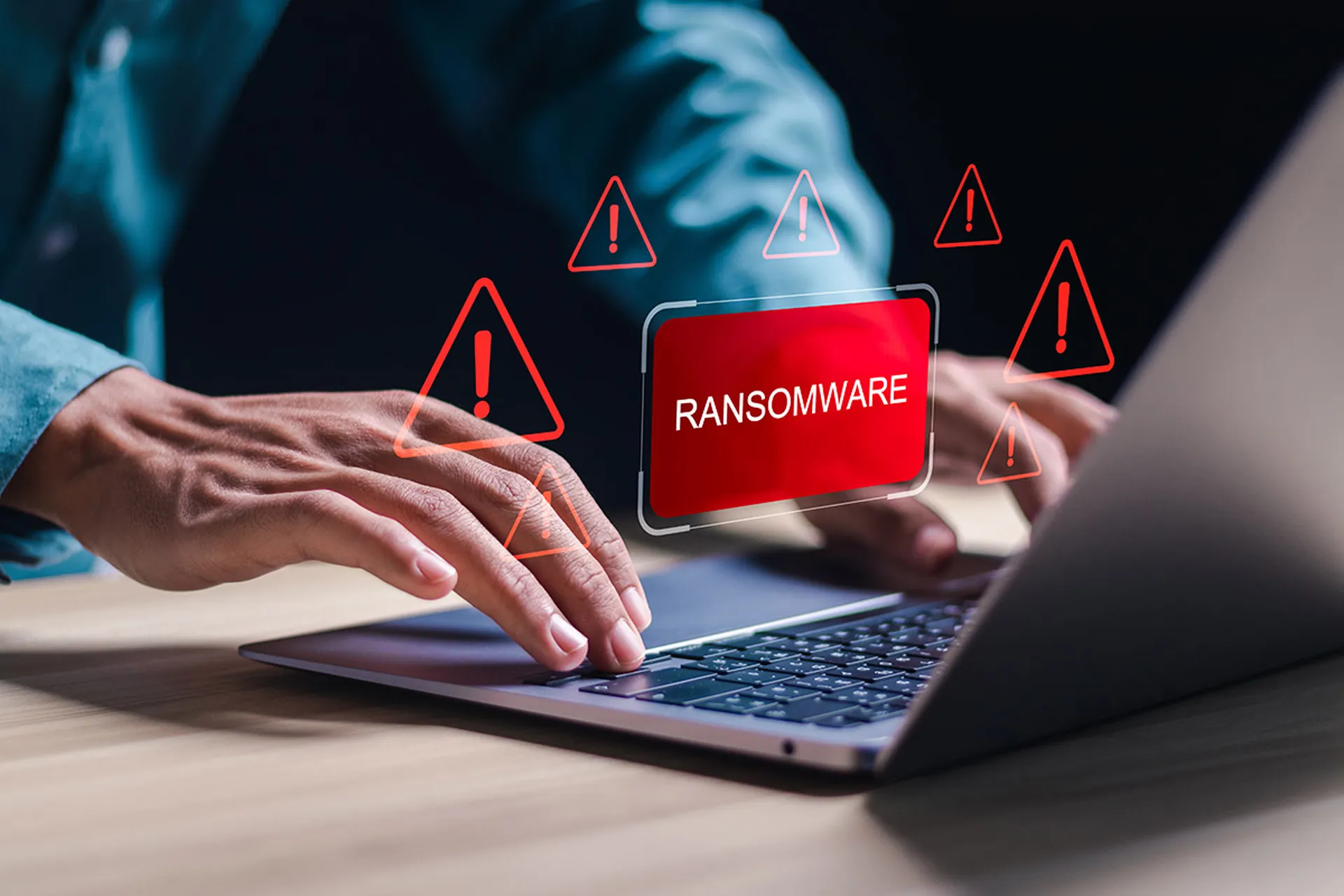
With that in mind, one of the most significant Internet-based attack types is ransomware. In such scenarios, hackers use several tactics to gain control over the system infrastructure and try to extort the organization.
As a result, they demand a ransom, with threats of data leaks, theft of intellectual property, and rendering files and systems unusable.
This makes ransomware one of the most dreaded cyber-attacks in the world, as it can have far-reaching consequences for companies.
Current Trends in Ransomware Attacks
Hackers are constantly improving their tactics in a bid to outsmart their targets. Cases of attacks that demand ransoms have increased, with payments exceeding $1 billion in 2023, which was a record high.
Attackers have grown more confident, with the average ransom also rising and amounts above $1 million being demanded from victims. Some of the main trends in these cyber security threats are:
AI-Powered Attacks
The application of AI in various settings keeps growing by the day. As discussions on its ethics dominate stakeholder engagements, hacker gangs are taking advantage of the situation, elevating unauthorized actions to a whole new level.
Hacker-developed LLMs (large language models) are being used to avoid detection as the models alter malware source code. This is ironic, given that LLMs can also be leveraged to combat such attacks by analyzing the tactics used by hackers.
Common malicious LLMs that have been used to launch ransomware actions are FraudGPT and WormGPT, both of which have been dubbed ChatGPT’s evil cousins.
The rise of deep fakes and voice cloning has also made it relatively easy for gangs with little to no expertise to successfully carry out attacks that paralyze organizational operations.
Multi Extortion Tactics
In the past, attackers have been known to use double or triple extortion tactics to pressure victims into paying huge ransoms, adding extra layers to the attack. Today, there are several extortion schemes to squeeze as much out of the victims as possible.
These may be in the form of threatening to directly contact the victim’s clients and partners, short selling of publicly traded stocks, and extended DDoS attacks.
Attacking the Cloud
Cloud-conscious unauthorized actions are growing increasingly common, where attackers gain access to a victim’s computer and then target cloud services such as Slack and AWS. From that, they then take advantage of the cloud environment.
Ransomware-as-a-Service (RaaS)
The rise of RaaS has democratized cybercrime, allowing even unskilled cybercriminals to launch sophisticated attacks.
The model works in phases and includes collaboration between different cyber gangs, providing a way for cybercriminals to lease their malicious tools. Consequently, it is now easier for more bad actors to enter the space.

Notable Ransomware Case Studies
The two most infamous case studies in the past couple of years are as follows:
Case Study 1: The Akira Ransomware Gang
Deriving its name from a 1988 cyberpunk movie, the Akira Gang was first discovered in 2023. It has since managed to launch over 250 attacks, making about $42 million, and it has risen to the top 10 in the list of the most renowned notorious groups.
A typical Akira scheme entails the use of Cloudflare Tunnels and an Advanced IP scanner. Once in the system, the team proceeds to shut out legitimate administrators by deleting them and replacing them with illegitimate users.
All files are then migrated to excluded directories, and all backup files via PowerShell or other tools are deleted. The actual malicious software comes in different versions and is offered as a RaaS.
Case Study 2: WannaCry Ransomware
The WannaCry attack in May 2017 was one of the most widespread crypto ransomware incidents, affecting over 200,000 computers in 150 countries.
It exploited a vulnerability in Microsoft’s Windows operating system and used a hack (EternalBlue) allegedly developed by the NSA, hijacking user files and demanding Bitcoin payments for decryption.
The scheme crippled hospitals, businesses, and government agencies, causing significant financial and operational damage.
How to Prevent Attacks?
Some of the most effective tactics that individuals and companies can use to prevent the occurrence of unauthorized actions include:
- Using Multi-Factor Authentication (MFA);
- Updating software on s regular basis;
- Doing regular offline backups;
- Implementing an Incident Response Plan (IRP);
- Holding security awareness training with simulations;
- Conducting cloud configuration reviews;
- Prioritizing network segmentation and monitoring.
Keeping up With Tech Trends
Unauthorized actions of hackers that demand a ransom are an evolving threat that requires continuous vigilance and a proactive approach to cybersecurity. Keeping up to date with the latest trends while learning from past incidences enables organizations to stay prepared for future potential threats.
This requires harnessing emerging technologies in different fields to reinforce defenses, thereby better protecting themselves from the potentially devastating impacts of ransomware.
