

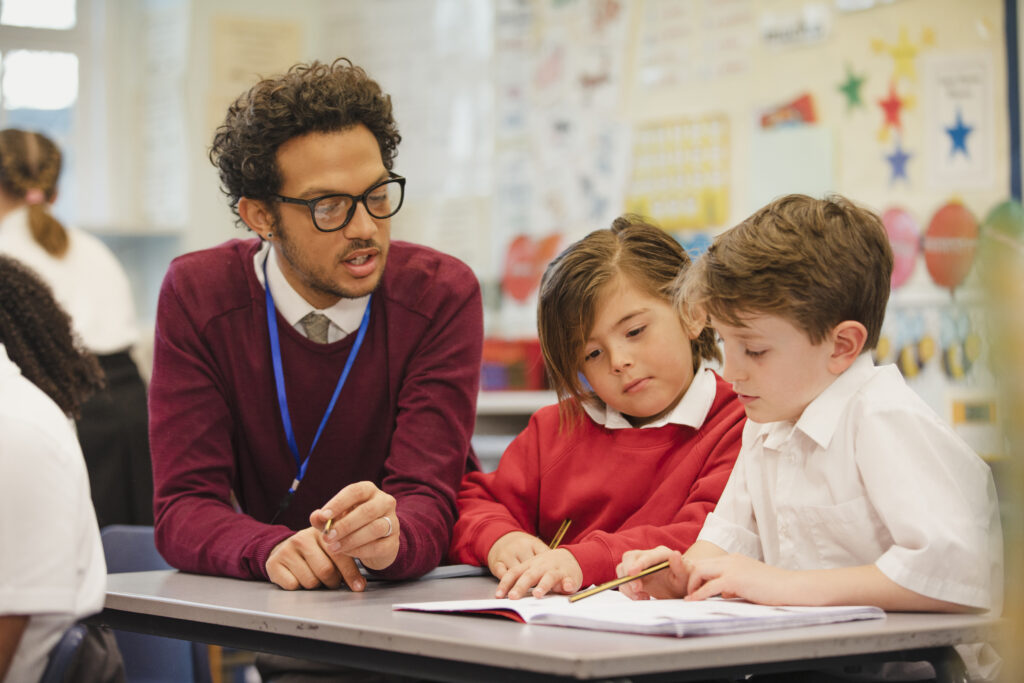
Starting primary school is a journey that will bring enormous excitement for you and your child. The classroom is a starting point of learning, but most families find that outside support is beneficial to how students perceive their own strengths.
This blog takes you through how personalised guidance brings out the skill sets and self-confidence in young learners to light up their early journeys of education.
1. Personalised Learning Approaches
Instead of a normal classroom where you, as the student, belong to one class, a private session focuses on your child and their individual pace or style. It does this by spacing out complex subjects over time so that new material can be consumed without feeling overwhelmed.
This kind of undivided attention that you give can help your child understand complex ideas while experiencing success.
2. Strengthening Fundamental Literacy and Numeracy
Professional primary school tutoring identifies any specific areas where your child might be struggling. Through consistent practice and engaging activities, your child can develop a genuine love for learning while mastering the core subjects that are essential for their school success.
You will likely notice an improvement in their ability to tackle classroom assignments once these skills are firmly in place.
3. Enhancing Academic Self-Esteem

When a student struggles to keep up with their peers, their confidence can take a hit, leading to a reluctance to participate in class discussions or try new things. By working with a dedicated mentor, your child receives positive reinforcement and the opportunity to succeed in a low-pressure environment.
This boost in morale is vital because it encourages them to view challenges as opportunities for growth.
4. Developing Effective Study Habits
Learning how to learn is important, and early intervention provides the perfect opportunity to instil productive routines. A tutor can introduce various organisational tools and time-management strategies that help your child stay on top of their schoolwork.
These habits are beneficial as they progress through different grade levels, where the workload naturally requires a higher degree of independence.
5. Encouraging Active Classroom Participation
A child who feels prepared and knowledgeable is far more likely to engage during lessons. Through regular one-on-one sessions, your child gains the confidence to express their thoughts and ask questions whenever they feel confused about a topic.
This active engagement is a key component of deep learning, as it allows students to process information more thoroughly and build stronger social connections.
6. Reducing Academic Stress and Anxiety
The pressure to perform well can sometimes lead to anxiety even in very young children. Providing your child with a safe space to practise and make mistakes helps alleviate this pressure, making the educational process feel enjoyable and less like a chore.
When the fear of failure is removed, your child can focus on the joy of discovery and the satisfaction that comes from mastering a difficult task.
7. Closing the Knowledge Gaps
It is common for students to miss concepts due to illness or because the classroom moved quickly through a unit of study. Professional tutoring allows you to pinpoint these exact gaps and fill them in effectively, ensuring that your child has a logical understanding of the curriculum.
Without these missing pieces, subsequent lessons can feel confusing, but addressing them early prevents any disadvantage.
Securing a Bright Educational Path
The decision to seek additional support for your child offers a wealth of benefits that extend far beyond simple grade improvements. Watching your child grow in confidence and capability is a rewarding experience that confirms the value of providing them with the right resources at the right time.
Taking these steps today ensures that your child approaches their education with a positive mindset.
