

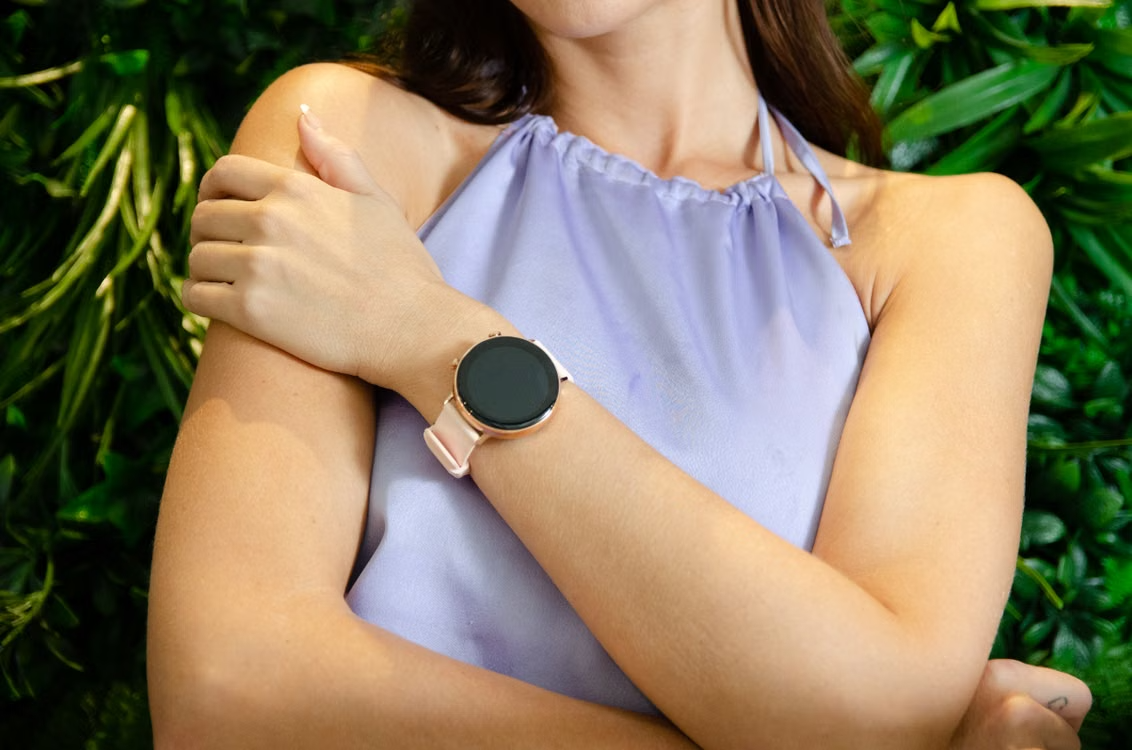
Technology in the workplace is no longer limited to laptops, smartphones and cloud software. Wearable devices, particularly smartwatches, are becoming increasingly useful tools for professionals who want to stay connected without constantly reaching for their phones.
For business owners, managers, remote workers and employees on the move, a smartwatch can provide quick access to notifications, schedules, health information and other useful features.
While wearable technology may still be viewed by some as a consumer convenience, its role in the modern working day is becoming much more practical.
Reducing Everyday Digital Distractions
One of the biggest challenges of the modern workplace is managing the constant stream of digital information. Emails, instant messages, calendar reminders and app notifications can easily interrupt concentration.
Smartwatches can help by providing a simpler way to decide which notifications actually deserve attention.
Instead of unlocking a smartphone every time it vibrates, users can quickly glance at their wrist, determine whether something is urgent and continue working if it is not. It may seem like a small change, but reducing unnecessary interactions with a phone can make it easier to maintain focus.
This is particularly valuable for professionals who receive large numbers of messages throughout the day.
Staying Connected Away From the Desk
Modern business is increasingly mobile. Employees may work from home, travel between offices, visit customers, attend conferences or spend significant parts of their working day away from a traditional desk.
Wearable technology fits naturally into this environment.
Calendar alerts can remind employees that a meeting is about to begin, while calls and messages can be noticed even when a smartphone is in a bag or another room. For people working in environments where regularly checking a phone is inconvenient, the benefit can be even greater.
Sales representatives, technicians, retail employees and entrepreneurs are just a few examples of professionals who may benefit from having important information available directly on their wrist.
Professional Technology Is Becoming More Personal
Another interesting development is the growing personalization of workplace technology.
Employees already customize their laptops with preferred software, configure smartphone notifications and adapt their digital workspaces. Wearables take this personalization into the physical world.
A smartwatch may be used during a morning workout, throughout a business day and again during an evening social event. Accessories therefore matter more than they might with technology that remains permanently on a desk.
Someone using a Samsung wearable, for example, might choose a durable Samsung Galaxy Watch Ultra 2 strap that suits both an active commute and a professional environment.
Being able to change straps also gives users the flexibility to adapt one device to different situations instead of needing separate watches for work, exercise and leisure.
This reflects a wider technology trend: people increasingly expect their devices to adapt to their lifestyles rather than the other way around.
Supporting Healthier Working Habits
Wearables can also encourage professionals to pay more attention to their physical activity during the day.
Office work often involves long periods of sitting. When employees are concentrating on projects or moving from one online meeting to another, several hours can pass with very little movement.
Smartwatches can provide reminders to stand, walk or take a short break. They can also make everyday activity more visible by tracking steps and exercise.
Wearable devices should not be seen as replacements for professional healthcare or formal workplace wellbeing programs. Their strength is much simpler: they make users more aware of daily habits that might otherwise go unnoticed.
For individuals, that awareness can provide an extra incentive to walk during lunch, take the stairs or move around between meetings.
Choosing Technology That Solves a Real Problem
As with any business technology, purchasing a wearable simply because it is new is rarely a good strategy. The more useful question is whether the device solves an actual problem.
For one professional, the main advantage might be seeing calendar notifications without opening a smartphone. Another might value activity tracking, contactless payments or navigation while travelling. Someone who regularly works outdoors may prioritize durability and battery performance.
Businesses considering wearables for employees should take the same approach. Technology delivers the most value when there is a clear purpose behind its adoption.
It is also important to consider security and privacy. Any device with access to company notifications, accounts or other information should be configured carefully and included in appropriate organizational security policies.
The Workplace Is Becoming More Connected
The evolution of wearable technology is part of a much larger shift in how people interact with digital tools.
The traditional workplace once revolved around a desktop computer. Today, employees move between laptops, smartphones, cloud applications and connected devices throughout the working day. Smartwatches are becoming another part of that ecosystem.
Their greatest advantage may ultimately be their simplicity. Instead of adding another screen that demands constant attention, a well-configured smartwatch can provide small pieces of useful information exactly when they are needed.
For busy professionals, that can mean fewer unnecessary phone checks, better awareness of schedules and a more convenient way to stay connected while moving through the day.
Wearables are unlikely to replace smartphones or computers in the workplace. But as business becomes increasingly mobile and technology becomes more personal, smartwatches can serve as a useful bridge between the digital and physical working world.
