

The world of technology is constantly evolving, and for businesses, staying competitive often means embracing the latest innovations. Among these, the Internet of Things (IoT) stands out as a powerful force for transformation.
But how does a business truly benefit from IoT, and what’s the smartest path from an initial idea to a fully deployed, scalable solution?

What is IoT, really? (and why you already use it)
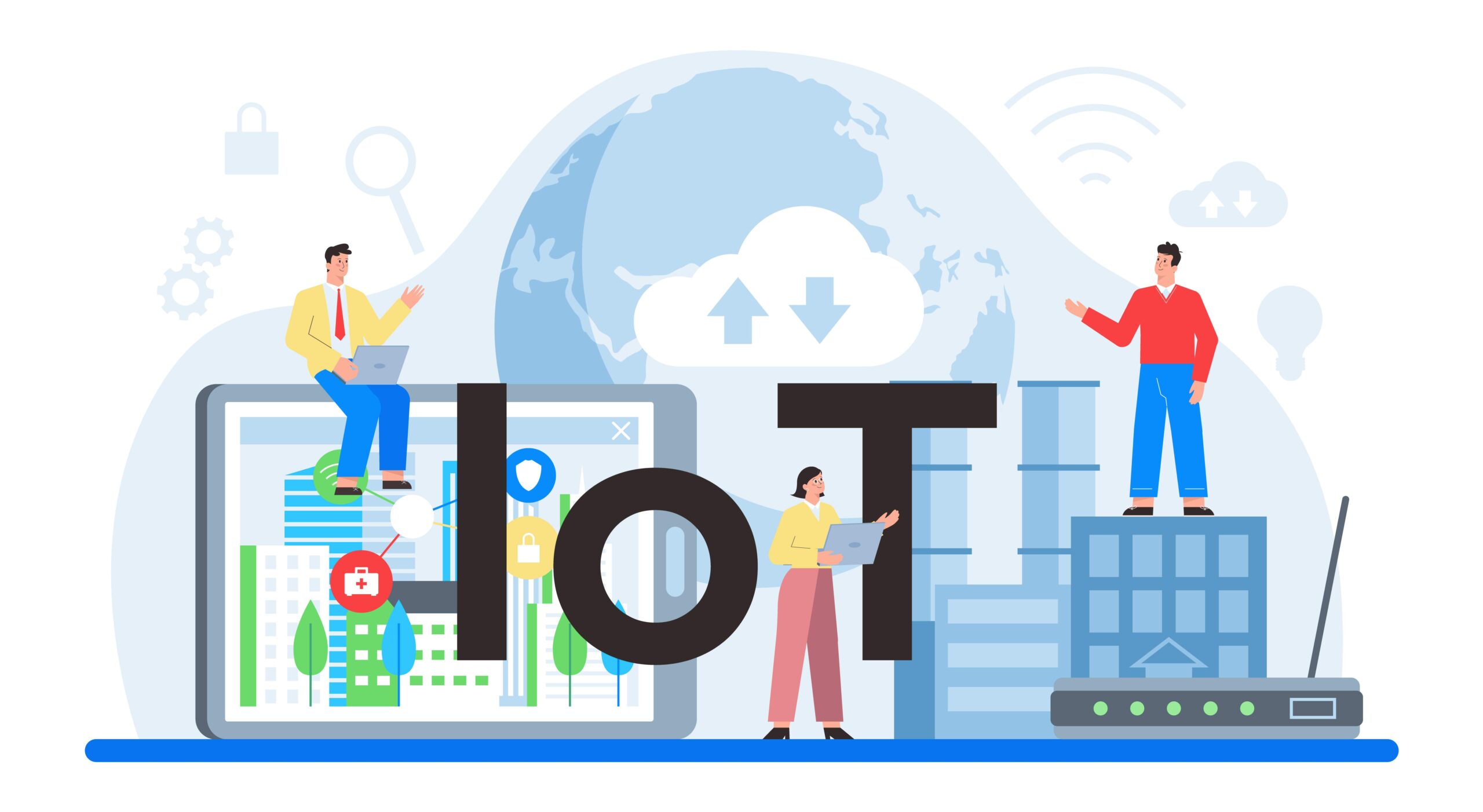
Many people associate IoT with everyday gadgets like smart speakers or fitness trackers. However, for businesses, IoT is far more profound. It represents integrated systems that connect physical devices to digital platforms, gathering data, enabling automation, and providing actionable insights.
This goes beyond simple tracking; it transforms entire operational workflows. Consider the impact on asset tracking in supply chains, streamlining processes in agritech, optimizing routes in logistics, or gaining precise control over energy management in commercial buildings.
Modern IoT solutions development allows businesses to automate routine processes, improve visibility, and reduce operational risks, leading to significant efficiency gains.
The development factor: why it’s more than just connecting devices
Bringing an IoT idea to life requires a lot more than just a sensor and a dashboard. The real work happens “under the hood,” where data from physical devices (like temperature sensors, vibration meters, or GPS units) is collected, processed, and transformed into something useful.
This requires building a robust backend infrastructure that can handle continuous data streams, manage device communication via various protocols (like MQTT or CoAP), and integrate with your existing business systems. It’s in this complex layer of middleware and data processing that many projects either succeed or fail.
Scaling smarter: the architecture behind success
Once a PoC proves, companies meet the next challenge – scalability. A truly successful IoT solution isn’t just about initial functionality; it’s about its ability to grow, integrate seamlessly, and remain secure over time. This involves robust architecture, effective security protocols, and smooth integrations with existing business systems like CRM or BI tools.
Think about scenarios like dynamically scaling to connect thousands of new devices, securely managing vast streams of data from remote sensors, or integrating IoT insights directly into your customer service workflows – these are complexities that demand a flexible and powerful platform foundation.
Partnering with an experienced IoT development services company can help businesses build reliable, secure, and scalable solutions without surprises or vendor lock-in, ensuring long-term success.
Final Thoughts: What to Consider When Choosing Your IoT Approach
There’s no universal blueprint for every IoT project. The decision of how to approach development – whether in-house, through a general vendor, or with a specialized platform team like ThingsBoard’s https://thingsboard.io/services/development-services/ – depends heavily on your unique goals and resources.
However, successful IoT implementation is something more deep than just the connection of devices. It requires a thoughtful strategy, a willingness to validate ideas quickly through PoCs, and a flexible approach to growth.
Carefully considering custom development options can help you build a solution perfectly tailored to your business, optimizing operations and driving innovation without unnecessary complexity.
