

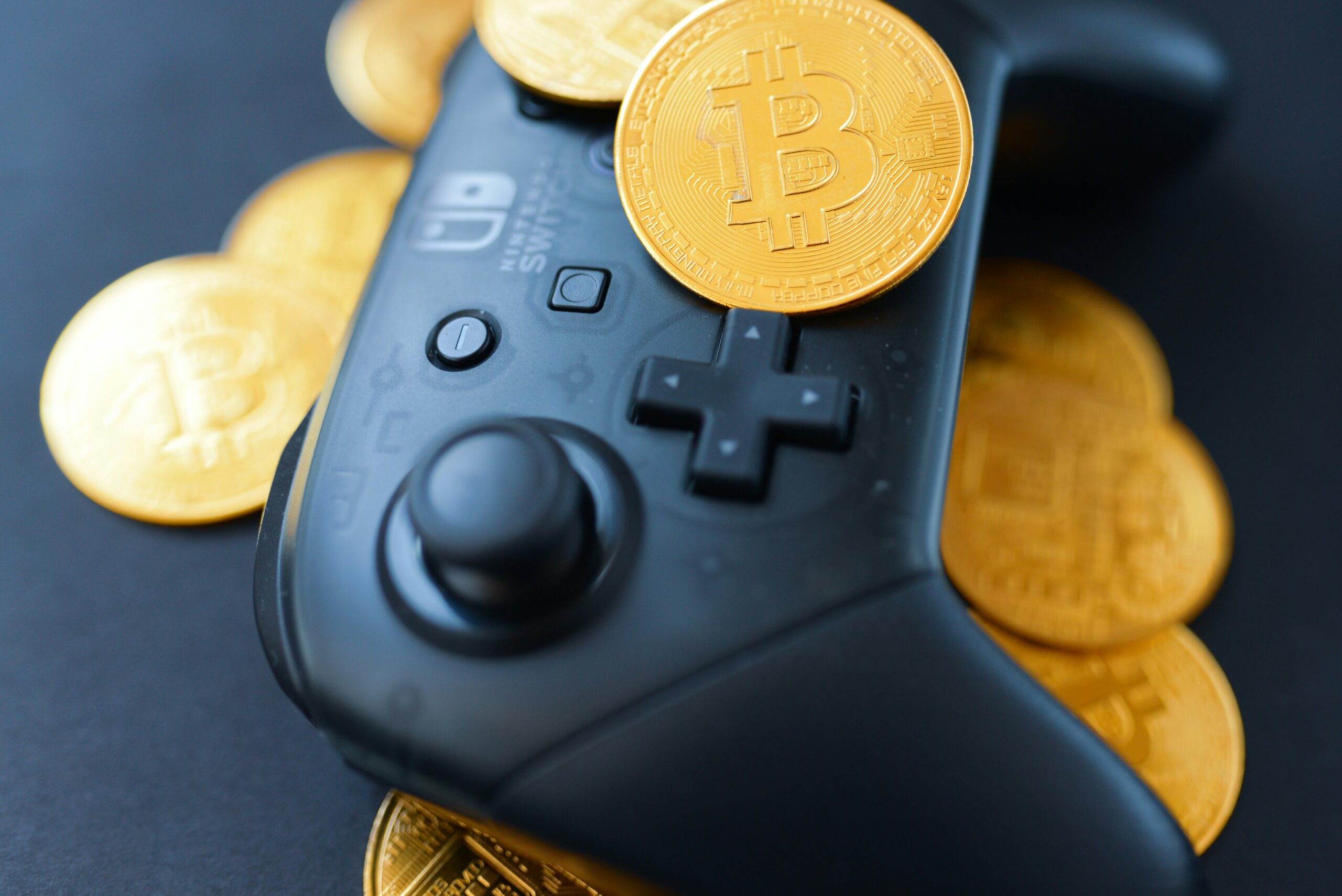
Play-to-earn gaming models dominated discussions just a few years back. Players spent their days playing to earn tokens while NFTs reached extraordinary prices and blockchain gaming seemed set to rule the market.
That excitement, however, didn’t last. Token prices collapsed, many titles lost their audiences, and the hype gave way to scepticism.
Web3 gaming continues to exist in 2026 despite initial expectations of its disappearance. Instead, it has changed shape. Projects now focus on player-first designs, which offer optional ownership while providing practical token uses and digital items that function as game expansions rather than speculative chips.
From 2021 Hype to What’s Changed in 2026
The early play-to-earn phase experienced growth because of speculative investment activities. Users quickly joined Axie Infinity because the rewards offered immediate cash value during its time.
The reward system faced collapse because it required a continuous stream of new player acquisitions to function. After the slowdown of new player acquisitions, the entire system collapsed.
The majority of blockchain-based projects experienced some challenges during late 2022. The market experienced total closures of several projects. The remaining games switched their focus toward player engagement rather than token distribution to maintain their survival.
While Web3 gaming continues to attract attention, some features, however, have maintained their appeal from the beginning. Quick access to rewards remains one of them. Whether it’s an in-game marketplace withdrawal or a cash conversion, many gamers continue to value speed and reliability.
This is relatively similar to how casino users have benefited from the quickest casino cashout methods since inception.
For instance, online casinos supporting cryptocurrencies have grown at an even faster rate. The global crypto casino revenue climbed to over $81 billion in 2024, compared to blockchain gaming as a whole. The estimated value of the blockchain-based/web3 gaming market could reach $615 billion by 2030.
This difference comes down to adoption speed. Online casino users often value instant access to withdrawals and transparent payout processes, while play-to-earn and NFT-driven games require players to commit more time before seeing returns. Both spaces share the appeal of fast transactions, but crypto casinos have proven quicker to scale in the short term.
Platform policies have since experienced the most significant changes. For instance, Apple allows users to buy NFTs and perform external cryptocurrency transactions within applications that it used to forbid. Epic Games Store continues to accept blockchain-based titles, but Steam maintains its ban on such content.
Developers can distribute their games to mobile platforms through clear distribution channels, although they need to follow the payment guidelines of each store.
The overall market structure demonstrates a noticeable evolution. Projects that provide useful NFT features like tradeable in-game passes and custom avatars continue to attract player interest despite NFT sales being significantly lower than their previous peak. Investors choose to invest in gaming infrastructure instead of focusing on short-term token projects.
The Decline of Earn-First Gaming
When rewards are the only reason to log in, retention collapses the moment those rewards lose value. Early play-to-earn titles often had no sinks, no mechanisms to remove tokens from circulation, which meant inflation hit hard and fast. Once token prices fell, the player base followed.
The more resilient projects realized that digital ownership works best when it adds to the experience rather than replacing it. Play-to-own is a term some use now: you play a game you enjoy, and if you want to buy, sell, or trade certain items, you can.
This approach sidesteps the constant pressure to grind for payouts and focuses instead on items, skins, or access passes that hold personal value.
What’s Working Now?
Pixels is a farming and social game that moved to the Ronin network. Instead of chasing speculative spikes, it has built steady growth through seasonal updates, social interaction, and optional NFT ownership. Players can enjoy the game without touching a wallet, yet the option exists for those who want deeper involvement.
On the more casual side, Telegram-based titles like Notcoin and Hamster Kombat have shown the power of easy onboarding.
Tens of millions of players tried them because they were easy to start and didn’t require immediate crypto setup. Only after building a daily habit did the token side become relevant; however, Telegram crypto-gaming continues to thrive.
NFTs are also finding steady ground in formats that naturally suit them. Collectible card games, racing sims with tradable parts, and in-game passes that can be resold are all proving sustainable in 2026. These systems work because the items have clear use within the game, not just speculative resale value.
Risks That Remain
Despite the progress, there are still challenges. Regulatory interpretation can vary from one country to another, and rewards with variable cash value can attract scrutiny. Developers need to be careful about how they structure token economies to avoid falling under gambling classifications in certain jurisdictions.
Token volatility also remains a reality. Players can become frustrated if an in-game asset they bought for $50 is suddenly worth $5 due to market swings. Some projects counter this by pegging in-game currency to stable assets or offering fixed-price items in fiat terms.
There is also the question of platform reliance. If Apple were to reverse its recent policy or tighten restrictions again, mobile-first blockchain games could face serious distribution hurdles.
While public perception is improving, NFTs still carry baggage among more traditional players. Overcoming that requires clear communication about what these digital items actually do and why they matter beyond speculation.
Making Web3 Gaming Viable in 2026
The lessons of the past few years are creating a more sustainable approach. Developers who treat blockchain as an optional layer rather than the headline feature are faring best. The focus is on building games that stand on their own, with ownership and trading as extras rather than necessities.
Onboarding also matters, since many successful titles now allow sign-ups through email or social logins, only introducing wallets once players are invested. This avoids losing potential users at the first hurdle. Economic design is another critical area.
Seasonal resets, repair costs for certain items, and crafting requirements all help maintain balance. Rewards are capped or time-limited to prevent runaway inflation.
Revenue diversity helps, as projects are no longer relying solely on token sales. The majority of revenue might come from selling passes or cosmetics, with secondary market fees and in-app purchases adding to the mix. This steadier income stream supports longer-term development without depending entirely on market speculation.
