

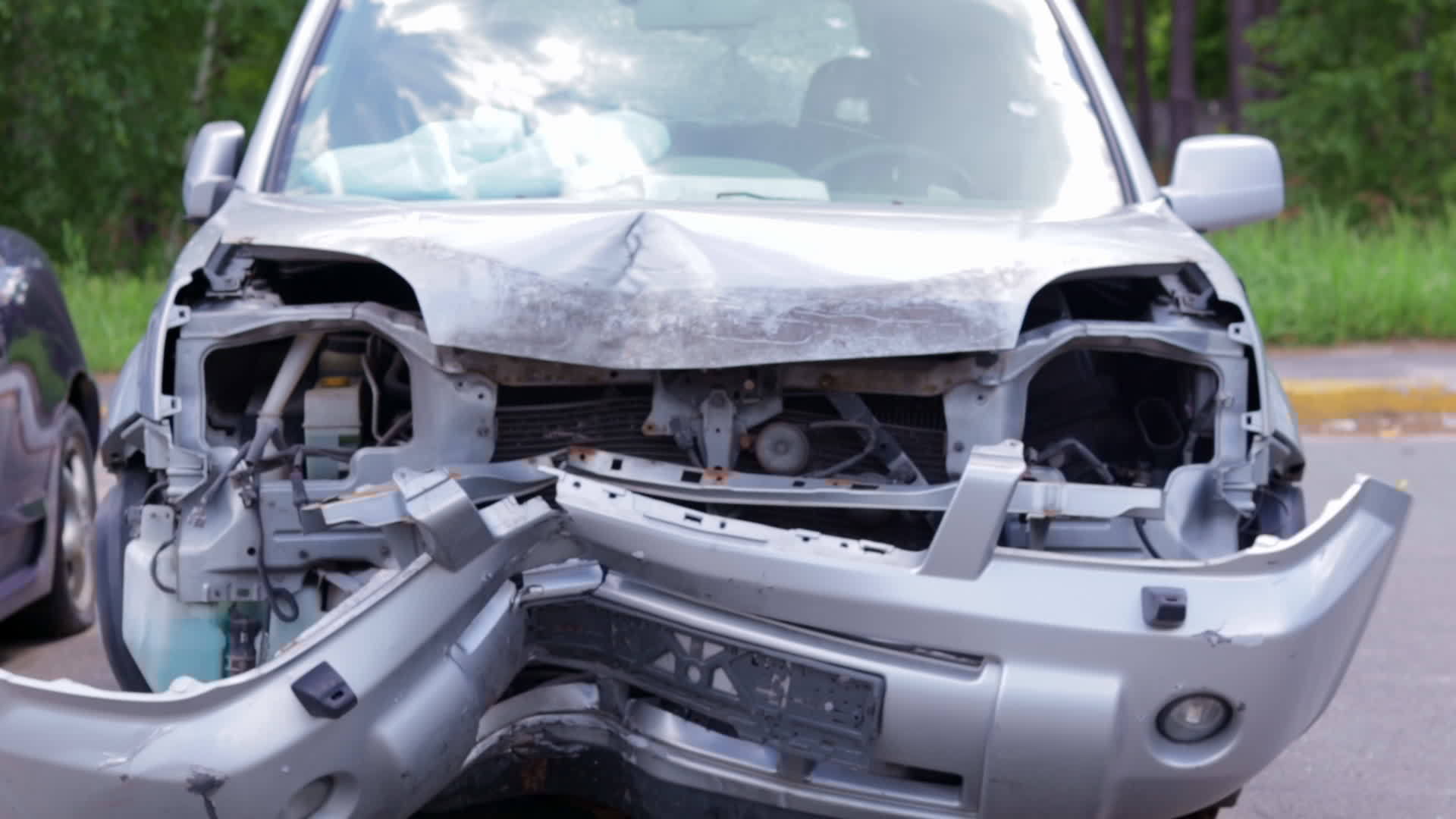
A car with a broken engine mount, a smashed bumper, or a bad transmission often goes straight to the salvage yard. At first glance, these machines look like headaches, yet the same “broken” label that scares most shoppers can open the door to big savings for anyone willing to turn a wrench.
This article explains how to spot real value among broken cars for sale, budget the project, and get the finished vehicle titled and insured. The language stays straightforward, so a high-school-educated car enthusiast can follow every step.
Why Buy A Broken Car?
- Lower Up-Front Cost – A sedan that needs a new gearbox may list at forty percent of retail. Even after parts and a weekend in the garage, many owners come out ahead.
- Learning Opportunity – Replacing a head gasket or suspension arm on a broken car teaches hands-on skills no video can match.
- Parts Potential – Some buyers grab broken trucks or flooded vehicles for sale just to harvest engines or interior parts for other builds.
- Customization Freedom – If you plan to upgrade wheels, suspension, or body panels anyway, buying damaged cars for sale prevents paying twice for parts you will replace.
Where Broken Cars Hide?
Online Salvage Marketplaces
Platforms like AutoBidMaster pull thousands of lots from Copart and other salvage car auctions. Filters let you search by title brand, damage type, or listings that offer “Buy It Now” so you can buy salvage cars without bidding.
Local Salvage Auto Auctions
Regional yards run weekly lanes with everything from wrecked trucks for sale to lightly dented hatchbacks. Entrance fees are low, and you can inspect cars in person before the hammer drops.
Junkyards and Tow-Lot Sales
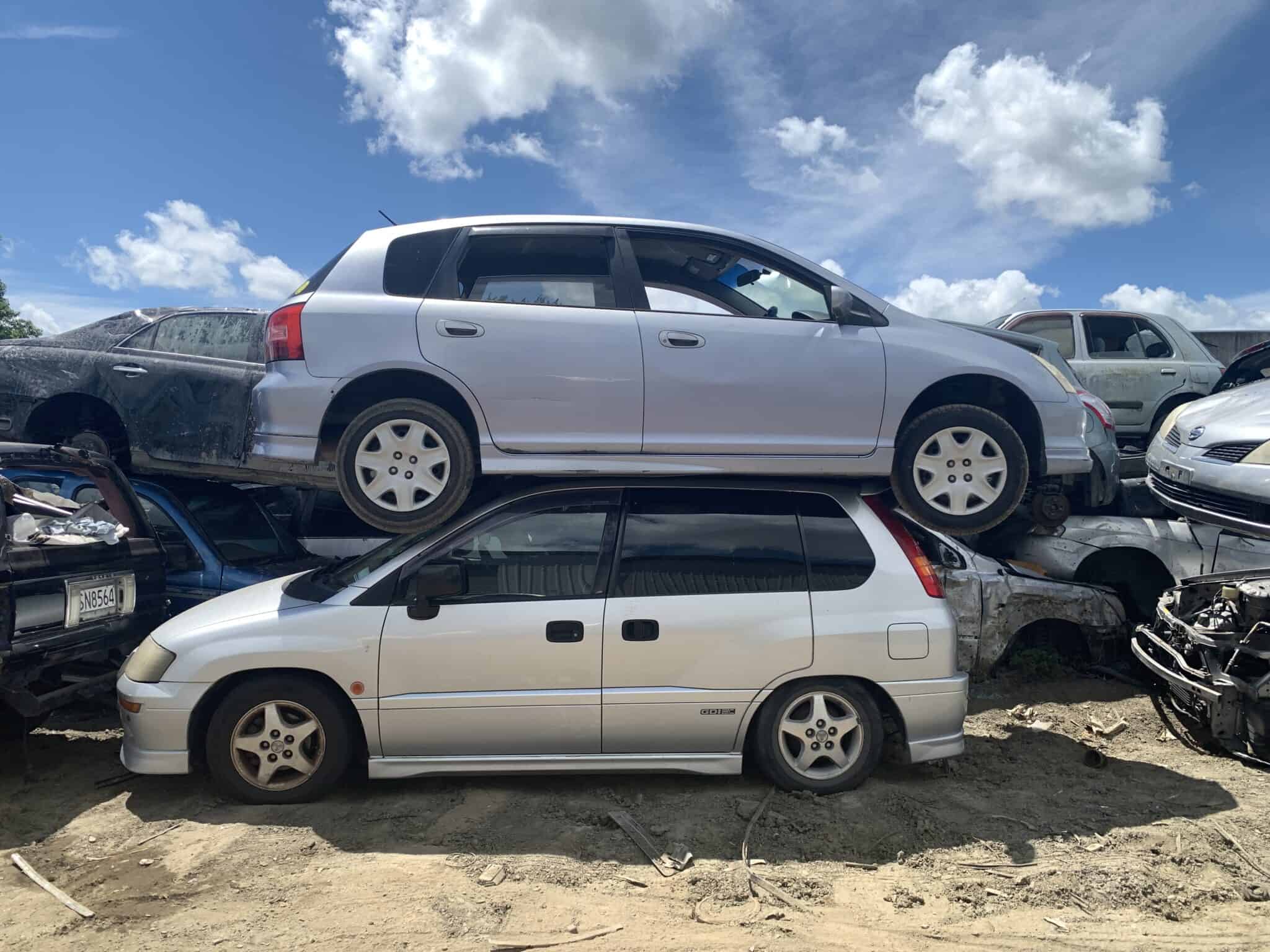
Municipal impound auctions often list junk cars for sale alongside motorcycles and work vans. Fewer bidders mean cheaper deals, but inspection time is short—bring a flashlight and a jump pack.
Classified Ads
Owners sometimes unload broken cars privately to avoid towing fees. A quick repair can turn a driveway ornament into a daily driver.
Understanding Damage Descriptions
- Collision – Cracked bumpers, bent control arms, or airbag deployment appear in listings for crashed cars and wrecked cars.
- Mechanical Failure – A blown head gasket or seized engine pushes the car into totaled cars for sale territory if the estimate tops value.
- Flood Exposure – Waterlogged interiors seem scary, yet shallow freshwater floods often spare drivetrains. Look for flooded vehicles for sale with verified clean oil.
- Hail Dents – A hail-damaged car for sale may run perfectly. Decide whether cosmetic dimples matter to you.
Knowing the cause of the “broken” status helps predict repair cost and difficulty.
Reading Listings Like A Mechanic
- Photos – Zoom in on panel gaps and wheel positions to spot frame issues common in wrecked vehicles for sale.
- Seller Notes – Keywords like “engine starts,” “runs and drives,” or “stationary” reveal how much life remains.
- Cluster Shots – A lit instrument panel confirms partial electronics and shows mileage.
- Title Brand – Salvage, rebuilt, or parts-only status determines legal steps later.
A quick checklist keeps you from overpaying at a vehicle auction where excitement can blur judgment.
Budgeting in Four Lines
- Purchase price
- Auction or listing fees
- Transport cost (get quotes; non-running wrecked trucks need winch service)
- Essential repairs to pass inspection
Add ten percent as a cushion. Compare the total with private-party value of a clean twin. Aim for at least a twenty-five percent gap to cover surprises.
Matching Repairs To Your Skill Set
| Skill Level | Typical Projects | Required Tools |
| Beginner | Bumper swaps, radiator changes, spark-plug service | Basic sockets, jack stands, torque wrench |
| Intermediate | Engine seal replacements, clutch jobs, airbag installs on salvage title cars for sale | Engine hoist, scan tool, workshop manual |
| Advanced | Frame straightening, hybrid battery swaps on salvage supercars for sale | Frame rack access, high-voltage safety gear |
Choose a project you can finish mostly alone; paying a shop one hundred dollars per hour erases savings fast.
Inspecting in Person
Bring a flashlight, magnet, and OBD-II scanner. Check:
- Oil and Coolant – Milky oil signals water in the crankcase.
- Transmission Fluid – Burnt smell means internal damage.
- Wheel Bearings – Spin wheels and listen for grinding, common on junkyard cars for sale that sat.
- Frame Rails – Rust flakes or ripples suggest past hits.
- Key and Immobilizer – Missing keys on modern wrecked supercars for sale can cost over a thousand dollars to replace.
A short inspection beats an expensive surprise once the tow truck leaves.
Transport Tips
Many salvage yards allow three free storage days. Arrange transport before bidding. Open trailers save money, but enclosed trucks protect high-value salvage supercars for sale. Tell the carrier if the vehicle rolls, steers, and brakes; extra equipment adds fees.
Paperwork and Insurance
Each state outlines steps to convert a salvage title to rebuilt. Expect:
- Before-and-after photos
- Receipts for major parts
- Safety or VIN inspection
- Title fees and possible emissions test
Insurance companies vary. Some offer liability only on rebuilt titles; others provide full coverage after an appraisal. Call ahead, especially if you plan to insure wrecked motorcycles for sale or rebuilt luxury models.
Common Pitfalls and Easy Fixes
- Hidden Rust – Salt-belt cars hide rot under seam sealer. Tap floor pans with a screwdriver handle.
- Airbag System Costs – Bags, sensors, and seat-belt pretensioners add up; budget more than for sheet metal.
- Missing Catalytic Converters – Scrap thieves hit parked salvage vehicles. Checking before bidding prevents noise and emissions headaches.
- Flood Corrosion – Green fuzz on connectors means electronics will fail later; avoid saltwater units.
- Overbidding – Auction fever rises quickly. Set a ceiling and walk if prices climb.
Using Donor Parts
Pull parts from salvage motorcycles for sale, junk cars for sale, or hail-dented trucks. Cross-platform forums list interchangeable pieces. Recycled engines or interior trims slash costs and keep projects on schedule.
Wrapping Up
Broken cars for sale look intimidating until you learn the system. Study listings carefully, crunch honest numbers, match the repair scope to your tools, and respect title rules in your state.
Whether you turn the wrench for fun, need a budget commuter, or hunt rare drivetrains for race builds, the salvage market hides deals that traditional dealerships never show.
Put in the research, stay disciplined when bidding, and you can drive away in a resurrected ride that cost less than you ever thought possible.
