

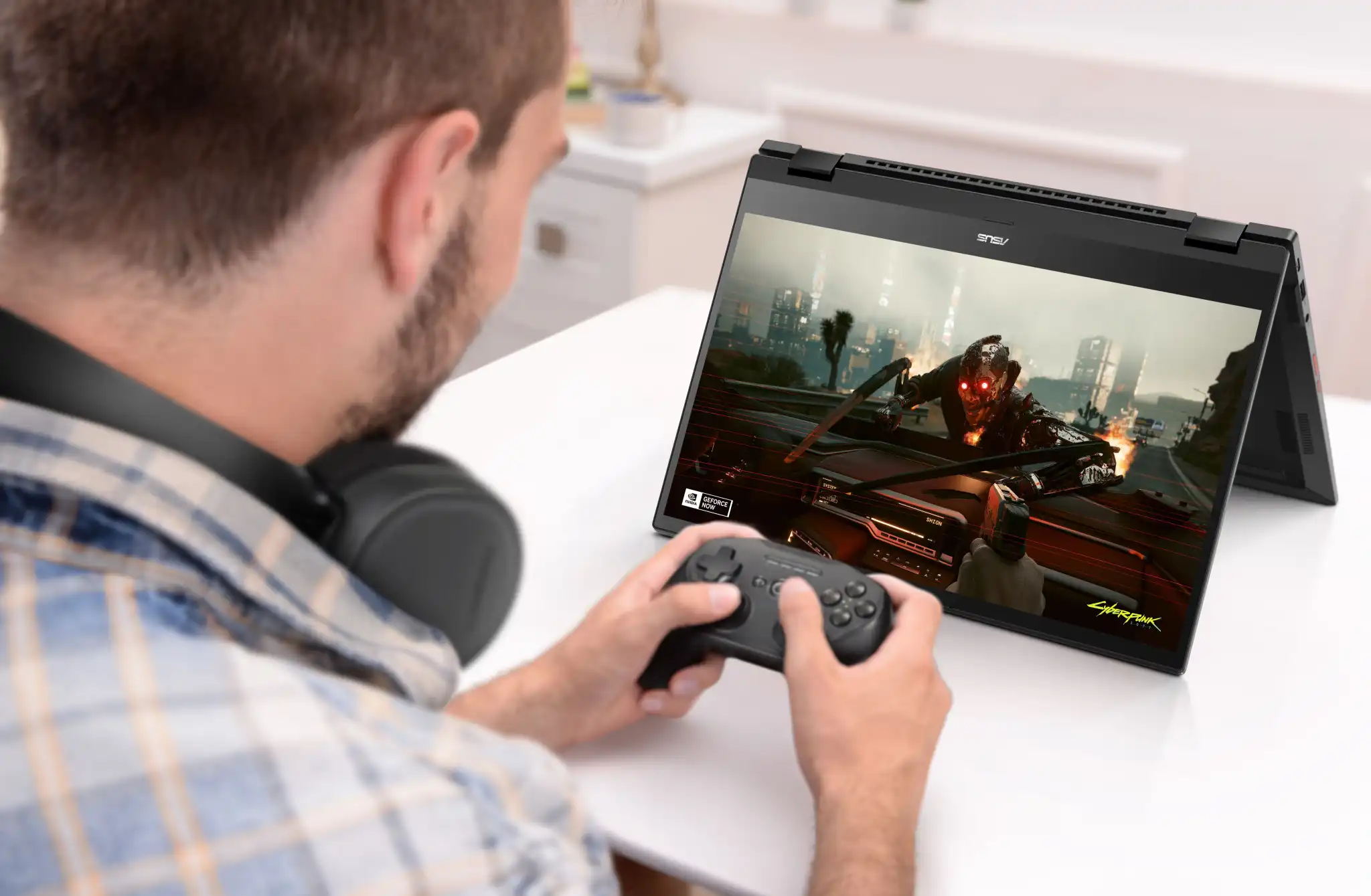
A lot of digital entertainment succeeds or fails before the first real interaction even begins.
If a user has to download software, create too many accounts, adjust settings, or learn a complicated interface before doing anything enjoyable, interest can disappear quickly.
That is especially true for casual users, who are often not looking for a major commitment. They want something immediate, readable, and easy to revisit.
This is one reason browser-first platforms continue to matter.
They remove a lot of the friction that usually slows people down. Users can access the experience quickly, understand the layout faster, and decide whether the platform fits their attention span without investing much time upfront. In product terms, that kind of low-friction access is a real advantage.
The same logic helps explain why a Texas-style social casino can feel approachable to broader audiences. The attraction is not just the entertainment format itself.
It is the fact that users can move from curiosity to interaction without too many barriers. That ease of entry matters more than many teams realize, especially in categories where people often arrive with limited patience and a lot of alternatives.
Casual Users Prefer Systems That Feel Immediate
Most casual users do not approach entertainment platforms with the mindset of a power user.
They are not arriving to optimize every setting or explore every corner of the interface on day one. More often, they want a smooth first session. They want to know what the product is, what they can do with it, and whether it feels worth another visit.
Browser-first design supports that perfectly.
It shortens the distance between interest and use. Instead of making people work to reach the experience, it lets them test it quickly.
That has a major effect on user comfort because speed creates confidence. A fast start often makes the whole platform feel easier to trust.
Accessibility Is Often More Important Than Feature Depth
A lot of digital products still compete by adding more.
More tools, more layers, more settings, more complexity. Sometimes that works, but casual entertainment usually depends on something simpler. People are much more likely to return to a platform that feels accessible than one that looks impressive but takes too long to figure out.
That does not mean depth has no value.
It means depth usually matters after the first barrier has been removed. If users cannot get comfortable early, the deeper parts of the product may never get a chance to matter.
Browser-based environments often perform well because they solve that early-stage problem better than heavier systems do.
Short Sessions Need Fast Orientation
People often use digital entertainment in fragmented moments.
A few minutes in the morning, a short break in the afternoon, or some light downtime in the evening. In those situations, users are not just choosing what looks fun. They are choosing what feels efficient enough to fit into the time they actually have.
That is where fast orientation becomes important.
A browser-first platform has a built-in advantage if it makes the first screen understandable. Users should not need to wonder what they are looking at for too long. They should be able to recognize the basic flow, begin interacting, and understand the rhythm of the session quickly.
That kind of design does not just improve first impressions.
It also improves repeat behavior, because the next visit feels easier too.
Familiar Interface Logic Encourages Return Visits
The strongest casual platforms usually feel familiar very quickly.
That familiarity may come from layout, pacing, visual cues, or the way the product guides the next action. Browser-first environments are especially effective when they keep that structure simple enough that users can re-enter without needing to relearn anything.
This is a major retention advantage.
When people know what the platform expects from them, they are more likely to come back. The session feels manageable. The product feels readable. Even if the experience includes variety, the underlying structure remains stable enough to support habit.
That is one reason low-friction entertainment often performs so well.
It fits into life without asking users to re-commit every time.

The Best Platforms Lower Effort Without Feeling Empty
Reducing friction does not mean removing all substance.
The best browser-first experiences are still structured. They still create rhythm, progression, and enough variation to keep people interested. What they avoid is unnecessary resistance. They do not confuse complexity with value.
That distinction matters because many casual users are perfectly open to repeat engagement.
They just do not want to work too hard to reach it. A platform that feels quick, clear, and stable often creates more durable attention than one that looks more advanced but asks too much upfront.
This broader design lesson also shows up in entertainment-tech coverage that focuses on why digital experiences feel more immersive and engaging when the technology gets out of the user’s way rather than slowing them down, as seen in How Technology Makes Entertainment More Immersive And Engaging.
Browser-First Design Fits the Way People Already Behave Online
The larger reason these platforms continue to grow is simple.
They match real user behavior. People are already moving across tabs, feeds, tools, and short attention windows throughout the day. A browser-first platform fits naturally into that pattern because it feels native to the way people already use the internet.
That fit is hard to overstate.
Products that align with existing digital habits usually have a better chance of keeping attention than products that try to force entirely new ones. For casual users, convenience is not a bonus feature. It is often the deciding factor.
And in entertainment, that is often what separates a platform someone tries once from one they actually return to.
