

Out-of-home gaming has changed how people experience entertainment. Devices go everywhere with us. In cafes, buses, parks, or waiting rooms, play fits into little pockets of time, shaping both what games exist and how they are approached.
Mobile Gaming Rules The Road
Unsurprisingly, smartphones dominate the sector. The ability to play at any time and from anywhere is unmatched and almost native to smartphone gaming.
Quick and easy multiplayer experiences, casino games, puzzle solvers, and short bursts of strategy games are just some of the instant fun that can come out of your pocket. A simple commute can be a gaming session, and no other medium provides such comfort.
Game design now reflects the real-world environment as it adapts. Designers make games that start with a single click, and players respond positively to a game that values their time. Puzzle games should always be fresh and as ad-free as possible between sessions.
Action-strategy games aim for simple design leading to deeper mechanics, allowing one game session to be 10 minutes max, and then it’s up to the next level.
Casino games offer quick in-and-out from tables, slots, or a single blackjack dealing, and casino sites that take credit cards offer fast gameplay to match their speed in deposits and withdrawals.
All of this must comply with mobile data available from various carriers, so many of these designs are available in offline modes, or light cloud syncing, to preserve the users’ data capacity.
Mobile battery life is also taken into consideration, as games that are not battery-heavy offer more uptime. More uptime = more fun = more player commitment to the brand.
Handheld Consoles Maintain A Niche
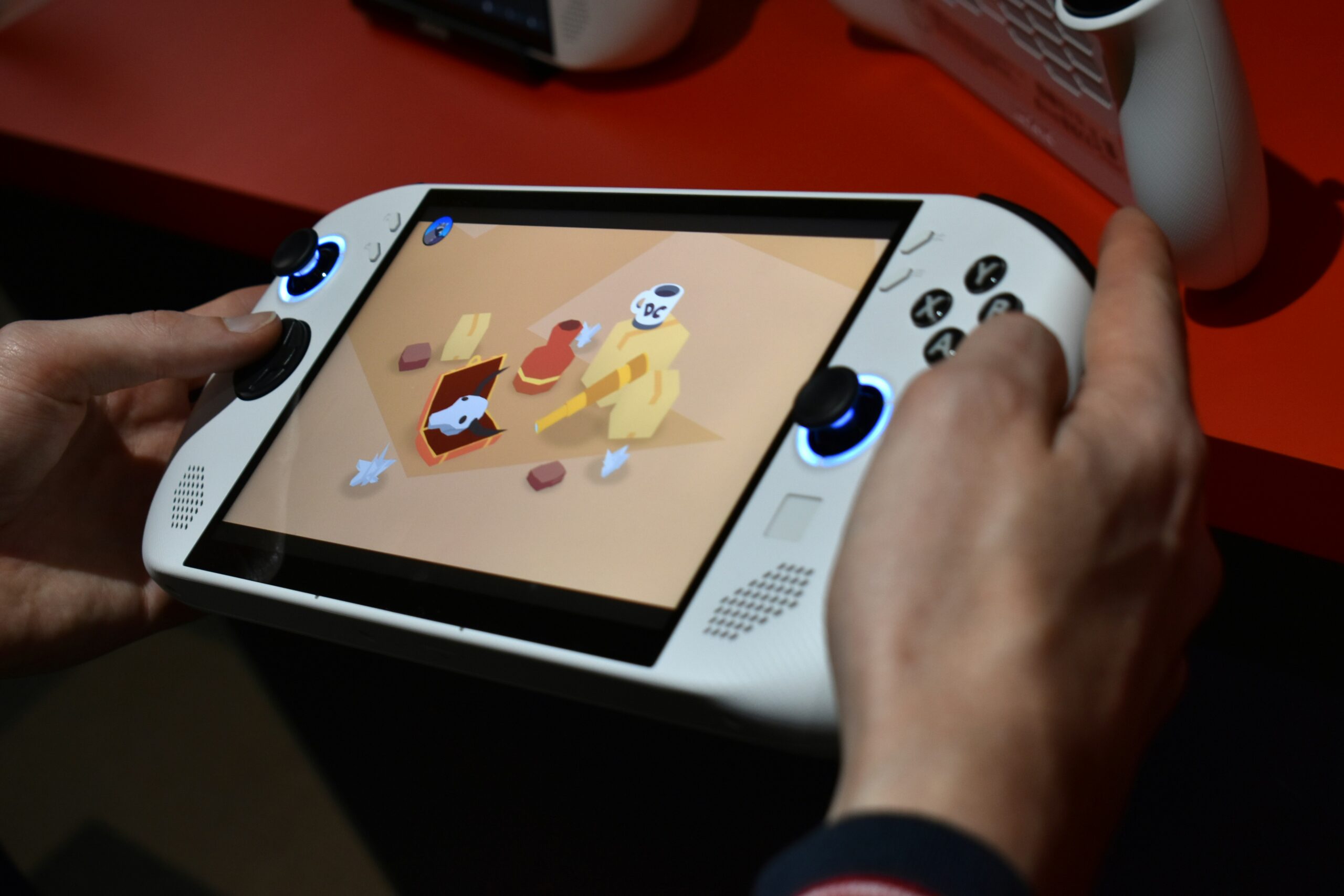
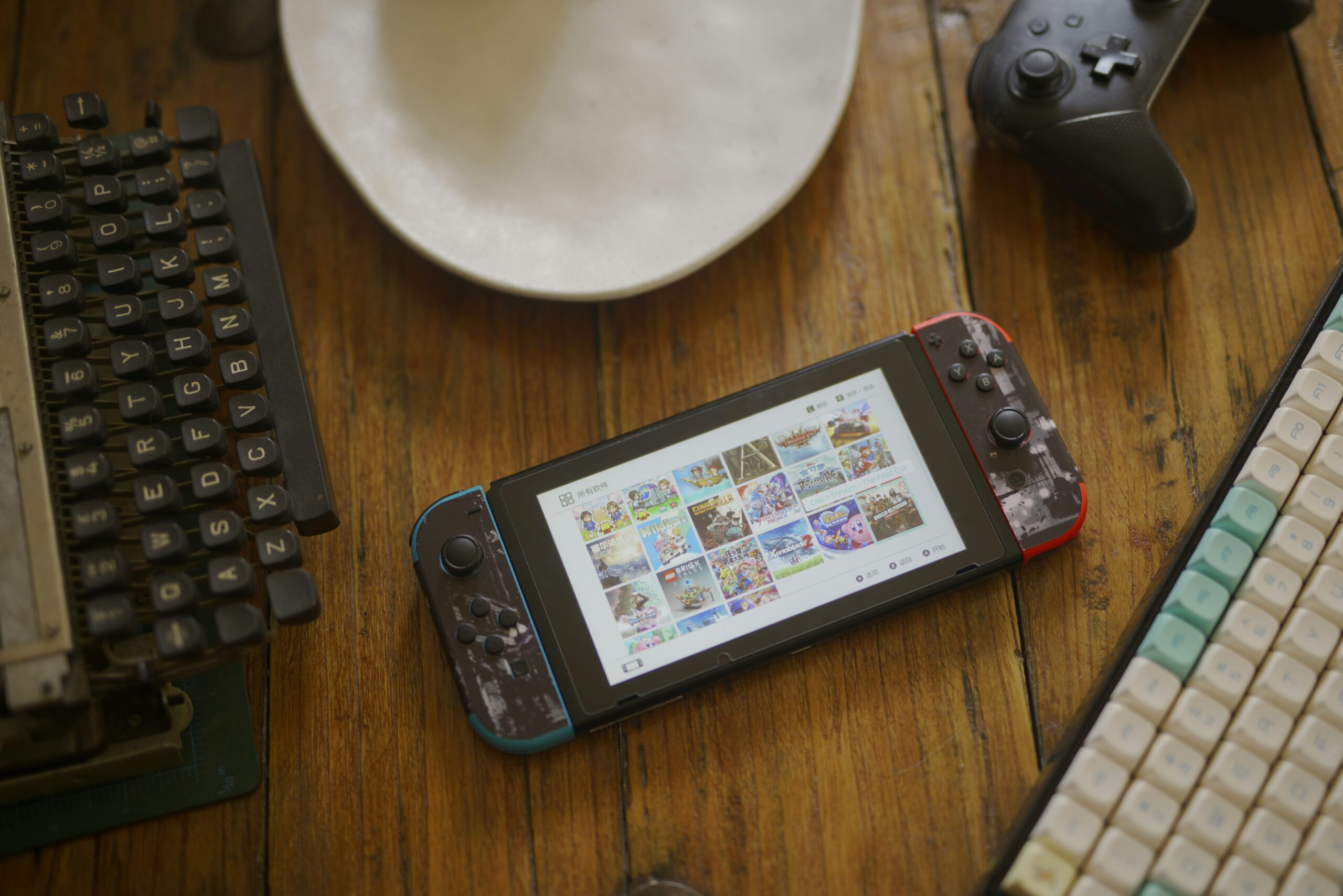
Nintendo Switch and Steam Deck are battling it out for handheld market supremacy, and players are enjoying themselves in the process. Healthy competition drives innovation, and handheld gamers are experiencing a surge in this industry.
What’s currently lacking are more serious and in-depth games, like RPG, adventure, and strategy games. The simple typing and swiping games will no longer do well as the industry grows and matures, and developers will have to balance growth, demands, and platform limitations. And in the battle of the handhelds, the one who responds to player wants will come on top.
Players here plan time differently. Even on the move, a session might be intentional rather than incidental. Physical controls, richer graphics, and immersive mechanics draw a different audience than casual phone apps.
Data suggests handheld devices represent about 15 percent of portable gaming, but that slice is vital for designers seeking dedicated engagement outside the home.
Gaming And Social Spaces
Multiplayer gaming knows no limits. Recent AR experiences have simulated scavenger hunts and are augmenting our reality, like the Haunt Your House game, porting games to our world.
Location-based battles turn parks, plazas, or malls into arenas. Play becomes social, interactive, and slightly unpredictable. Competing with friends or strangers adds an energy absent from solitary gaming.
Events matter too. Pop-up tournaments or public leaderboards occasionally transform an otherwise private pastime into a communal activity.
Developers notice spikes in engagement during such events; daily active users can double over a weekend, just from shared, out-of-home interaction.
Quick Strategy And Micro-Sessions
Short attention spans dominate portable play. Turn-based games, incremental simulations, and micro-competitions thrive where a user might have five or ten minutes. Quick decisions, instant rewards, and short-level loops appeal to transient moments.
Persistence matters even in these small doses. The key to success is when developers make a game that offers micro-sessions that hook the player in, and then transform them into longer and longer gaming sessions.
Incentivising features like achievements, daily logins, progress rewards, and account levels keep the player engaged for days to come, driving engagement and commitment.
Micro-sessions give the player a reason to start playing. It’s up to other features to keep them from going elsewhere. Quality of life features are not something that should happen later, but from the start. Auto-save, instant resumes, quick-saves, and others all help to reduce friction.
Hybrid And Cloud Experiences
Cloud streaming now lets devices handle games once reserved for high-powered hardware. A commuter with a tablet and 5G can access AAA titles, blurring lines between home and mobile. Experiments with wearables show mini-games or companion apps linking to console play, hinting at an increasingly seamless gaming life.
Location-adaptive play is emerging, too. Objectives might shift based on GPS, time of day, or social surroundings. The game subtly interacts with the environment, making travel and movement part of the experience.
The Human Dimension
Ultimately, portable gaming reflects context and habit. The market is diverse. Some players want deep interaction in their mobile games.
Others just want something nice and easy to pass the time. And a designer must either juggle or commit to a niche. When we factor in battery life, data connectivity, and accessibility into the mix, devs have their work cut out for them.
Play on the go is no longer secondary. It stands as a fully legitimate part of gaming culture. Devices, locations, and human behavior together shape what people play and why, constantly evolving alongside technology.
