
Rivaldo is one of Brazil's most memorable attacking midfielders, known for his technique, powerful left foot, and creative play. Born in Recife, Pernambuco, he rose from a difficult childhood to become a world-class footballer and an important figure for Brazil. His remarkable journey across Brazil, Europe, and the national team can still be followed through football coverage on socolive.
Rivaldo's early life and career
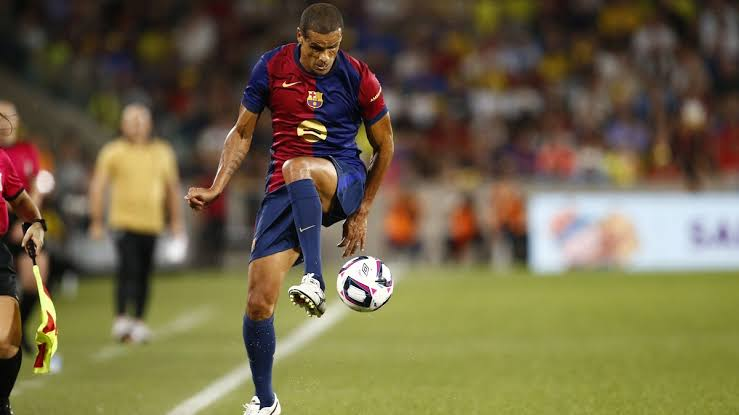
Rivaldo biography and early football career
Rivaldo was born on April 19, 1972, in Recife, Brazil. He developed a passion for football from a young age and began his professional journey with Santa Cruz before moving through several Brazilian clubs. His early career provided the foundation for the international success that followed.
Childhood and football beginnings
He grew up in a poor neighborhood of Recife and faced difficult circumstances during his childhood. Despite these challenges, football became an important part of his life and eventually opened the way to a professional career. His determination helped him progress from amateur football to the national stage.
He started his professional career at Santa Cruz in 1991 before joining Mogi Mirim. His performances at Mogi Mirim attracted greater attention and eventually led to a move to Corinthians. These early experiences helped him develop the technical and creative qualities that later defined his career.
Rise through Brazilian football
After Corinthians, Rivaldo continued his development at Palmeiras, where his performances became increasingly impressive. FIFA records that he won a Brazilian league title and two São Paulo State Championships with the club. His progress in Brazil eventually attracted attention from European teams looking for an influential attacking midfielder.
His performances earned him a move to Deportivo La Coruña in Spain. During his time there, he established himself as one of the most effective attacking players in La Liga. This period became an important step before his eventual transfer to Barcelona.
Move to Barcelona
He joined Barcelona in 1997 after his successful season with Deportivo La Coruña. He quickly became a central figure in the team's attack and demonstrated his ability to score, create chances, and influence important matches. His performances in Spain would eventually lead to the biggest individual recognition of his career.
His international career and major achievements
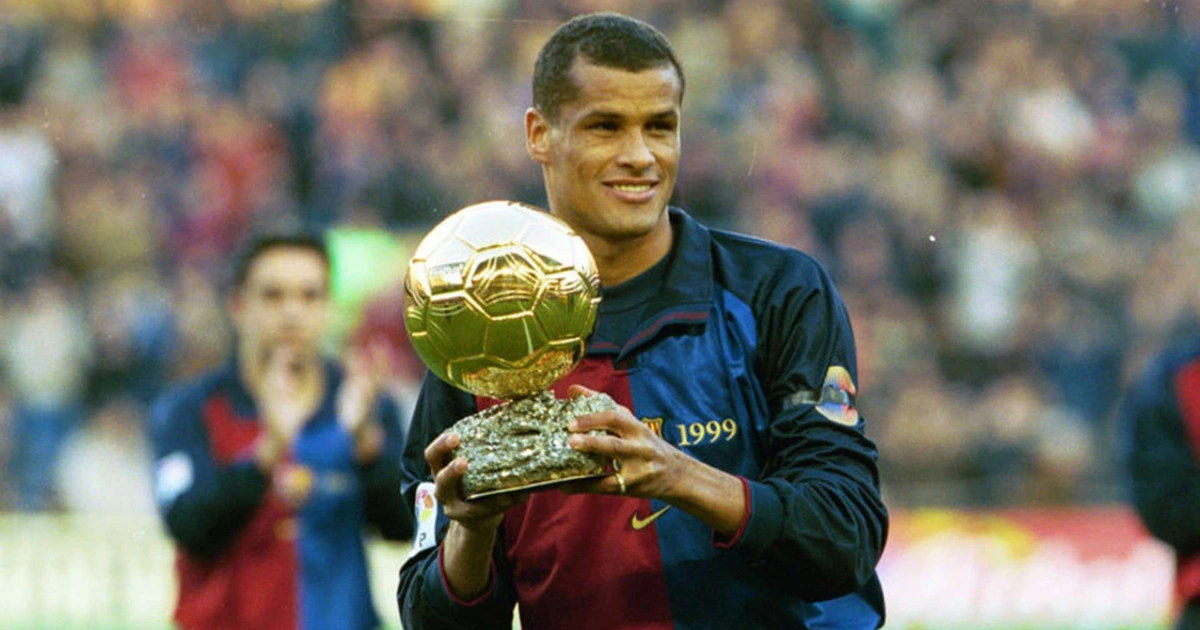
His career achievements and football legacy
The story of him cannot be separated from his career with Brazil. He represented the national team at major international tournaments and played a significant role in Brazil's success during the late 1990s and early 2000s. FIFA records show that he played 14 World Cup matches and scored eight goals.
World Cup 1998
He played an important role as Brazil reached the 1998 World Cup final in France. He appeared in seven matches and scored three goals during the tournament. Brazil eventually lost 3–0 to France in the final, finishing as runners-up.
World Cup 2002 triumph
At the 2002 World Cup in Korea and Japan, he formed a powerful attacking partnership with Ronaldo and Ronaldinho. Brazil won the tournament after defeating Germany 2–0 in the final, with Ronaldo scoring both goals. He played in all seven matches and scored five goals during the competition.
His performances were an important part of Brazil's successful campaign. Although Ronaldo received most of the attention for his goals, he consistently contributed through scoring, passing, and attacking movement. The 2002 title became one of the defining achievements of Rivaldo's international career.
Individual honors and trophies
He received the FIFA World Player of the Year award in 1999, confirming his status among the world's leading footballers at the time. FIFA lists him alongside other Brazilian winners such as Romario, Ronaldo, Ronaldinho, and Kaka.
Rivaldo's playing style and legacy
The lasting appeal of him comes from more than his list of trophies. His left-footed technique, long-range shooting, passing ability, and movement allowed him to influence matches in several ways. He could operate as an attacking midfielder while also contributing directly to the scoreline.
Technical qualities
He was particularly recognized for his powerful left foot and ability to strike the ball from difficult positions. He could deliver accurate passes, take set pieces, and produce unexpected finishes near the penalty area. His technical skill made him dangerous even when opponents tried to limit his space.
Career after his peak
After leaving Barcelona, he continued his career with AC Milan, Cruzeiro, Olympiacos, AEK Athens, and Bunyodkor. He later returned to Mogi Mirim, the Brazilian club where his professional rise had begun. FIFA also records the unusual moment when he played alongside his son Rivaldinho and both scored in the same competitive match.
His long career demonstrated his ability to remain involved in professional football well beyond his peak years. He continued playing across different countries and competitions before eventually ending his career. For those following football history, Rivaldo remains an important reference point when studying Brazil's golden generation.
Conclusion
Rivaldo built an extraordinary career from humble beginnings in Brazil to the biggest stages of world football. His World Cup triumph, FIFA World Player of the Year award, club trophies, and distinctive technical style defined an important period in his career. His achievements with Brazil and major European clubs continue to make his biography a notable part of modern football history. Read more articles at bảng xếp hạng socolive to learn more!
