

Think about your digital life for a moment. How many online accounts do you have? Ten? Fifty? A hundred? Now think about the single, fragile key that protects most of them: the password.
For decades, the combination of a username and a password has been the default method for securing our digital identities.
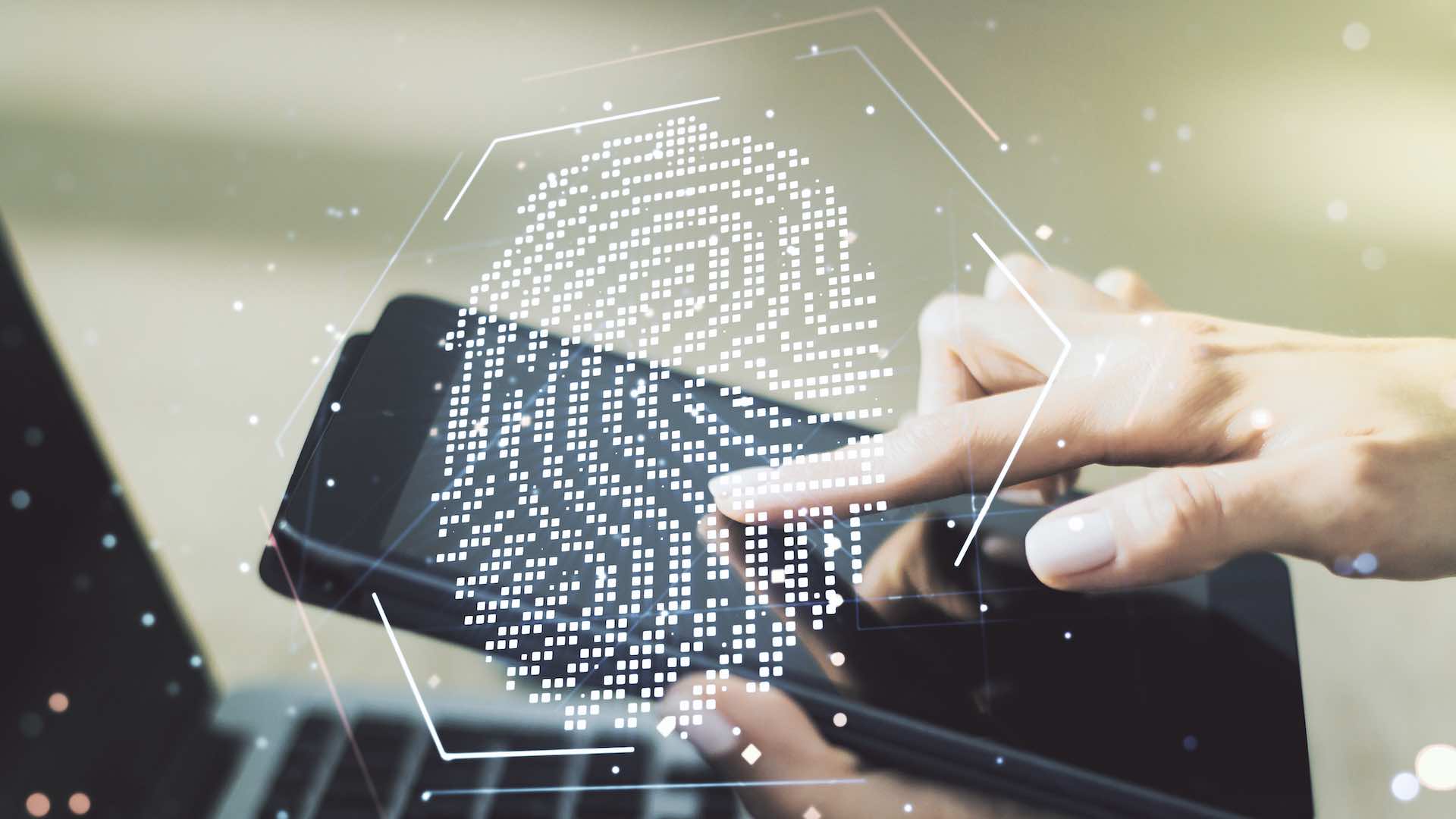
It’s a system that is universally understood, but it is also fundamentally broken. We forget them, we reuse them, and they are constantly being targeted by phishing scams and massive data breaches. The humble password has become the weakest link in our digital security chain.
The good news is that the era of the password is finally coming to an end. A quiet but powerful revolution in digital identity is underway, driven by tech giants like Apple, Google, and Microsoft. This revolution is moving us toward a future that is not only far more secure but also infinitely more convenient.
This new paradigm is built on two powerful technologies working in tandem: biometrics (what you are) and on-device cryptography (what you have).
Why the Password is a Broken System?
The problem with passwords isn’t just technical; it’s human. Our brains are simply not designed to create and remember dozens of unique, complex, and random strings of characters. This leads to two critical security failures: password reuse and phishing attacks.
To cope, the vast majority of people reuse the same one or two passwords across multiple services. This is a security catastrophe.
When one of these services suffers a data breach, criminals get the key that can potentially unlock a user’s entire digital life.
Because we are so used to typing passwords, we are highly vulnerable to phishing attacks, where criminals create fake login pages to trick users into handing over their credentials.
The True Passwordless Future: FIDO and Passkeys
The first step away from passwords was the widespread adoption of biometrics like Face ID and fingerprint scanners. But the ultimate solution is a technology called passkeys. Built on an open standard developed by the FIDO Alliance, passkeys are designed to replace passwords entirely.
They elegantly combine the unbreakable security of public-key cryptography with the effortless convenience of biometrics.
A passkey works like a digital key and lock system. When you sign up for a service, your device creates a pair of connected cryptographic keys. The public key is like a custom-made lock that you give to the website to put on your account’s door.
The private key is the only key in the world that can open that lock, and it never leaves your device. When you log in, the website asks your device to prove it has the private key, which you authorize with a simple biometric scan. This process is changing how we interact with every online service, from our email to our bank accounts.
The need for a secure yet frictionless login process is a top priority for any modern digital platform. For any site where users have accounts, such as an online entertainment portal like Hitnspin.casino, a secure and seamless login is the foundation of user trust and the first step in a positive customer journey.
Why Passkeys Are a Revolutionary Leap Forward?
Passkeys are not just a better password; they are a completely new and superior paradigm for authentication. They solve the fundamental problems of passwords at their source. The following table highlights the dramatic improvements they offer.
| Feature | Passwords | Passkeys |
| Security | Weak, can be guessed, often reused across sites. | Extremely strong, based on public-key cryptography, unique for every single site. |
| Phishing Resistance | Highly vulnerable. Users are easily tricked into entering them on fake sites. | Completely phishing-resistant. A passkey is tied to the real website’s domain and will not work on a fake site. |
| Convenience | Must be remembered, typed, and managed in a password manager. | Login is as simple as unlocking your device (Face ID/Fingerprint). No typing needed. |
| Data Breaches | If a site’s password database is stolen, your credentials are leaked. | Only the public key is stored on the server. Stealing it is useless without the private key on your device. |
This comparison makes it clear why passkeys are the future. They eliminate the single biggest threat to most users—phishing—and render the data from server-side breaches largely useless, all while making the login process faster and easier.
How a Passkey Login Actually Works: A Simple Breakdown
The process might sound complex, but for the user, it’s simpler than typing a password. Here is a simple breakdown of what happens behind the scenes:
- Creation. When you create an account on a website that supports passkeys, your device (e.g., your smartphone) creates the unique cryptographic key pair.
- Storage. The private key is stored securely in the protected keychain on your device and never leaves it. The public key is sent to the website’s server to be associated with your account.
- The login. When you want to log in, the website sends a unique “challenge” to your device. Your device uses the private key to cryptographically “sign” this challenge and sends the signature back.
- Authentication. To authorize this signature process, you simply unlock your device using the method you always do: your face, your fingerprint, or your device PIN. The website’s server then uses your public key to verify the signature. If it matches, you’re in.
This entire exchange happens in a fraction of a second. For the user, the experience is simply: go to website, prompt for Face ID, and you’re logged in. The password has served us for over 60 years, but its time is up. It is a fundamentally flawed system that no longer meets the security demands of our increasingly digital lives.
The future of the secure login is passwordless, built on a foundation of biometrics and powerful on-device cryptography in the form of passkeys.
This shift will make our online world dramatically safer, eliminating the threat of phishing and making the fallout from data breaches far less severe.
Best of all, it will do so while making the act of logging in a seamless, instantaneous, and frustration-free experience.
