

Cyber threats are evolving faster than ever. Attackers are leveraging sophisticated tactics to exploit vulnerabilities, often moving through networks at speeds no human team can match.
In response, businesses are increasingly turning to automation to strengthen their cybersecurity posture. Automating threat detection and response is a necessity for organizations aiming to stay one step ahead of cybercriminals.
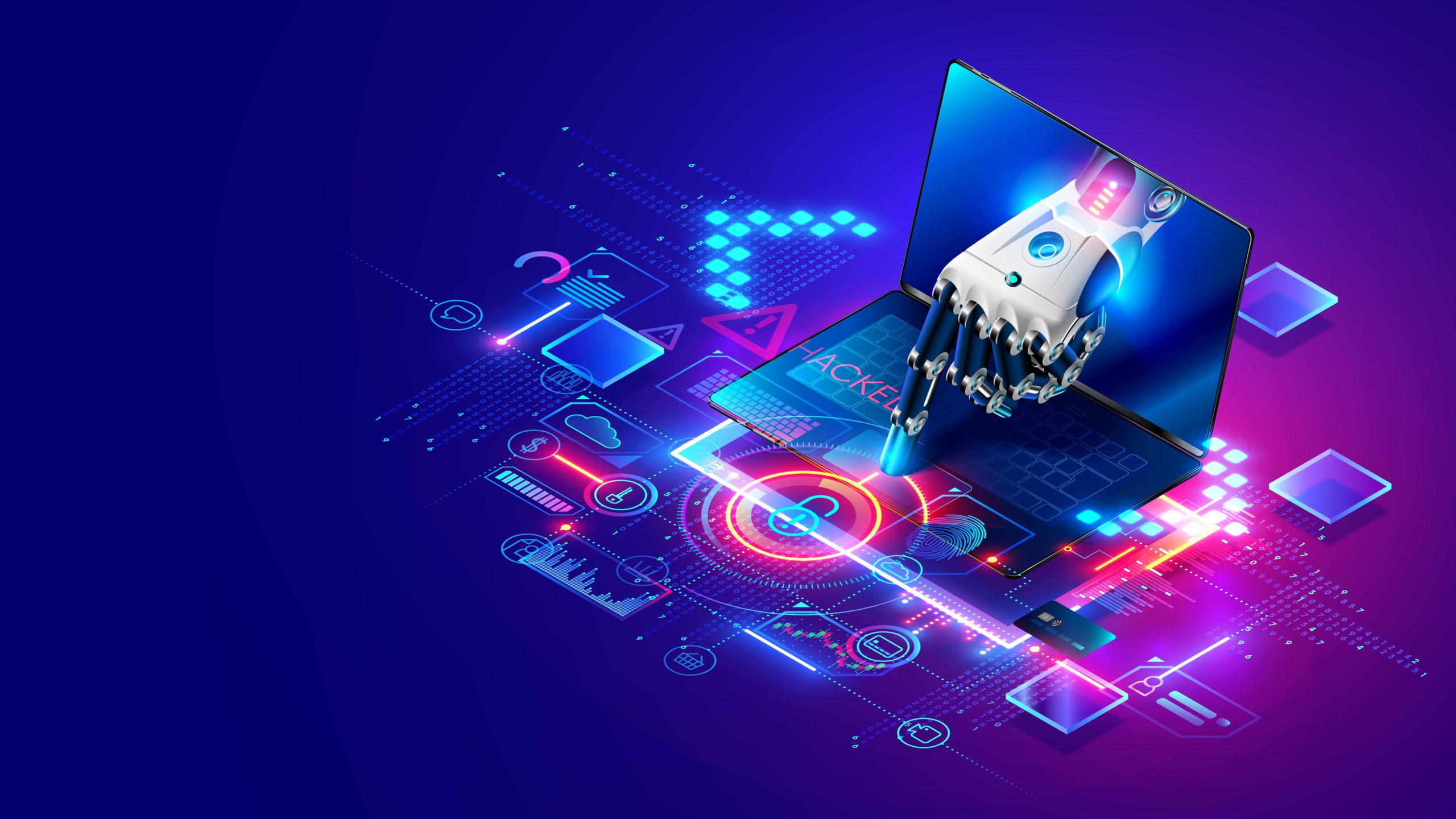
Why Manual Threat Response Falls Short?
Traditionally, cybersecurity relied heavily on human intervention. Security teams would monitor logs, investigate anomalies, and respond to alerts manually.
While effective in the past, this approach has significant limitations today. The sheer volume of alerts generated by modern systems can overwhelm even the most skilled analysts.
According to industry reports, organizations face thousands of security events daily, making it nearly impossible for humans to respond to each one promptly.
Delays in detection and response can be costly. Every minute an attacker remains undetected increases the potential for data breaches, operational disruption, and financial loss.
Manual processes are also prone to human error, which can further compound vulnerabilities. This is where automation proves its value.
How Automation Enhances Threat Detection?
Automated systems use advanced algorithms and machine learning to monitor networks, endpoints, and cloud environments continuously.
By analyzing vast amounts of data in real time, automation can detect patterns and anomalies that may indicate malicious activity.
Unlike humans, automated tools can process information at scale, identifying subtle threats that might otherwise go unnoticed.
For example, automation can track unusual login patterns, flag suspicious file modifications, or detect anomalous network traffic. These insights enable organizations to detect threats early, often before they escalate into full-blown incidents.
Automated threat detection also reduces alert fatigue among security teams, allowing analysts to focus on high-priority issues rather than sifting through countless low-risk alerts.
Streamlining Response with Automation
Detection alone is not enough. Once a threat is identified, rapid response is crucial. Automation can accelerate response processes by initiating predefined actions instantly.
This might include isolating affected devices, blocking malicious IP addresses, or triggering multi-factor authentication to protect sensitive accounts. By executing these actions without human delay, organizations can contain threats before they cause significant damage.
Moreover, automation enables consistent, repeatable responses. Security teams can design playbooks for various attack scenarios, ensuring that responses are accurate and aligned with organizational policies.
This consistency is particularly valuable in large enterprises where manual coordination across multiple teams can be slow and error-prone.
Integrating Automation with a Unified Cybersecurity Approach
While automation is powerful, its effectiveness is amplified when integrated within a broader cybersecurity framework.
A unified cybersecurity platform consolidates monitoring, detection, and response tools into a single interface, providing end-to-end visibility across an organization’s digital environment.
This integration allows automated systems to act with full context, improving decision-making and reducing false positives.
For businesses seeking to maximize their security efficiency, adopting a unified cybersecurity platform ensures that automation is not isolated but embedded within a coordinated strategy.
By combining automated detection, intelligent analytics, and orchestrated response, organizations can proactively defend against emerging threats and maintain resilience in the face of attacks.

The Future of Cybersecurity
Automation is transforming the cybersecurity landscape, making it possible to detect and respond to threats faster, more accurately, and at scale.
While human expertise remains essential for strategy, oversight, and complex investigations, automation handles the bulk of repetitive, time-sensitive tasks, freeing teams to focus on higher-value activities.
As cyber threats continue to evolve, organizations that embrace automation within a unified cybersecurity framework will be better positioned to protect their assets, maintain customer trust, and stay ahead of attackers.
The power of automation is not just about speed. It is about creating a resilient, proactive security posture that can withstand the challenges of an increasingly hostile digital world.
