

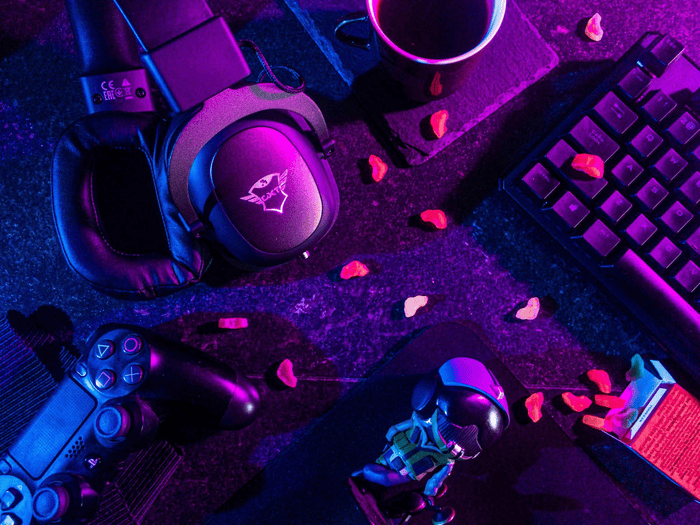
Gaming culture spans the globe, connecting players across borders through shared passion and competition. With 2.6 billion gamers worldwide, each region brings its unique approach to gaming. Which country truly stands at the pinnacle of gaming culture? Let’s look at the contenders and what makes their gaming scenes special.
The Global Gaming Phenomenon
Gaming culture constantly shifts, blending local traditions with global trends. Players find their communities across countless niches – from competitive FPS fanatics to casual puzzle solvers. This community-building extends beyond traditional video games into adjacent gaming spaces too.
Take the United States, where legal restrictions have shaped unique gaming alternatives. Many Americans participate in social casino communities it’s the case on popular gambling sites featuring sweepstakes. If you’re interested in finding out more about these popular websites, this list of sweepstakes casinos USA provides a very good overview.
This has resulted in a gaming subculture emerging from specific regulatory challenges. These communities have their own slang, unwritten rules, and social structures – just like you’d find in MMO guilds or fighting game circuits.
South Korea: The OG Esports Nation
South Korea’s relationship with gaming goes beyond casual entertainment – it’s woven into the national identity. After the 1997 Asian financial crisis, the government invested heavily in broadband infrastructure, creating the perfect foundation for an online gaming boom.
Korean players dominate competitive scenes, particularly in games like League of Legends and StarCraft. The country pioneered professional gaming as a legitimate career path, with top players achieving celebrity status comparable to K-pop stars. PC bangs (gaming cafés) dot urban landscapes, serving as social hubs where friends gather to play together for hours.
What sets South Korea apart? Their esports events fill Olympic-sized stadiums. National television channels broadcast tournaments. Parents send children to gaming academies. The culture doesn’t just accept gaming – it celebrates it.
Japan: Where Gaming Innovation Thrives
Japan’s gaming culture stands unmatched in creativity and innovation. As the birthplace of Nintendo, Sony PlayStation, Sega, and countless legendary franchises like Mario, Final Fantasy, and Pokémon, Japan’s influence on global gaming cannot be overstated.
Tokyo’s Akihabara district serves as a physical manifestation of this gaming obsession – a neon-lit paradise where arcades tower several stories high and specialty shops sell everything from retro cartridges to limited-edition collectibles. The Japanese gaming scene balances reverence for tradition with constant innovation.
Unlike Western markets that quickly abandoned arcades, Japan maintained these social gaming spaces. Their arcade machines push technical boundaries with unique control schemes you’ll never experience on home consoles. This preservation of shared physical gaming spaces creates community bonds that digital-only experiences can’t replicate.
China: The Gaming Superpower
China’s gaming scene exploded in recent years, becoming the largest market globally by revenue. With over 660 million gamers, nearly half the population plays games regularly. Mobile dominates here – titles like Honor of Kings generate billions annually.
The Chinese government has had a complex relationship with gaming, implementing restrictions like the anti-addiction system limiting play time for younger users. Yet despite these hurdles, China’s esports scene flourishes, with teams repeatedly claiming world championships.
What makes China unique is how gaming integrates with daily life through super-apps like WeChat, where mini-games blend seamlessly with messaging and payments. Gaming cafés remain hugely popular social hubs, especially for players without high-end hardware at home.
United States: The Cultural Trendsetter
The US lacks the concentrated gaming intensity of Asian powerhouses but compensates with sheer cultural reach. American companies like Activision Blizzard, Valve, and Epic Games create globally dominant titles. Streaming platforms like Twitch (based in San Francisco) revolutionized how people experience games.
American gaming culture embraces diversity – from casual mobile players to hardcore console enthusiasts to PC modding communities. College esports programs continue expanding rapidly, with scholarships available at hundreds of institutions.
The mainstream acceptance of gaming in American culture shows in how video game references permeate movies, music, and television. Gaming conventions like PAX attract thousands, celebrating gaming’s place in popular culture.
The Social Gaming Renaissance
The numbers behind this global phenomenon are staggering. According to Statista, Asia-Pacific generates almost half of global gaming revenue, followed by North America. Mobile gaming claims approximately 100 billion dollars annually, making it one of the biggest segments alongside hardware and in-game advertising.
Gaming penetration reaches astonishing levels in some markets – Indonesia, the Philippines, and Turkey top global rankings with over 94% of internet users playing games. Worldwide, 83.1% of internet users play games on some device. These aren’t just casual players either – millions dedicate substantial time and money to their hobby.
So Who Wins?
The question of which country has the “best” gaming culture resists simple answers. South Korea’s professional infrastructure remains unmatched. Japan’s creative legacy stands unparalleled. China’s market size creates unmatched opportunities. The US shapes global trends through media influence. Sweden demonstrates how smaller nations can make outsized contributions.
The real winner? Gamers everywhere benefit from this global exchange of ideas. South Korean competitive structures influence American esports organizations. Japanese narrative approaches inspire European indie developers. Chinese mobile innovations reshape Western game design.
Gaming culture transcends any single nation, creating a global conversation where each country contributes its unique perspective. The most vibrant gaming cultures borrow liberally from others while maintaining their distinctive characteristics.
Gaming culture continues expanding, becoming more inclusive and diverse with each passing year. And that’s a victory for everyone who picks up a controller, taps a screen, or fires up a keyboard to enter these shared digital worlds.
