

Crash games, quick and graphic casino format, were designed for individuals accustomed to dopamine boosts lasting anywhere between 15 and 60 seconds.
They’re irresistible to the same customer base who created TikTok, the snackable engine of short-form attention, because they’re fast, social, mobile-first, and highly shareable.
Definitions, explanations of why they match so well with the habits and expectations of the TikTok generation, and—crucially—the risks and responsible-play guidelines that all players, even on platforms like Verde Casino, should be aware of are all covered in detail below.
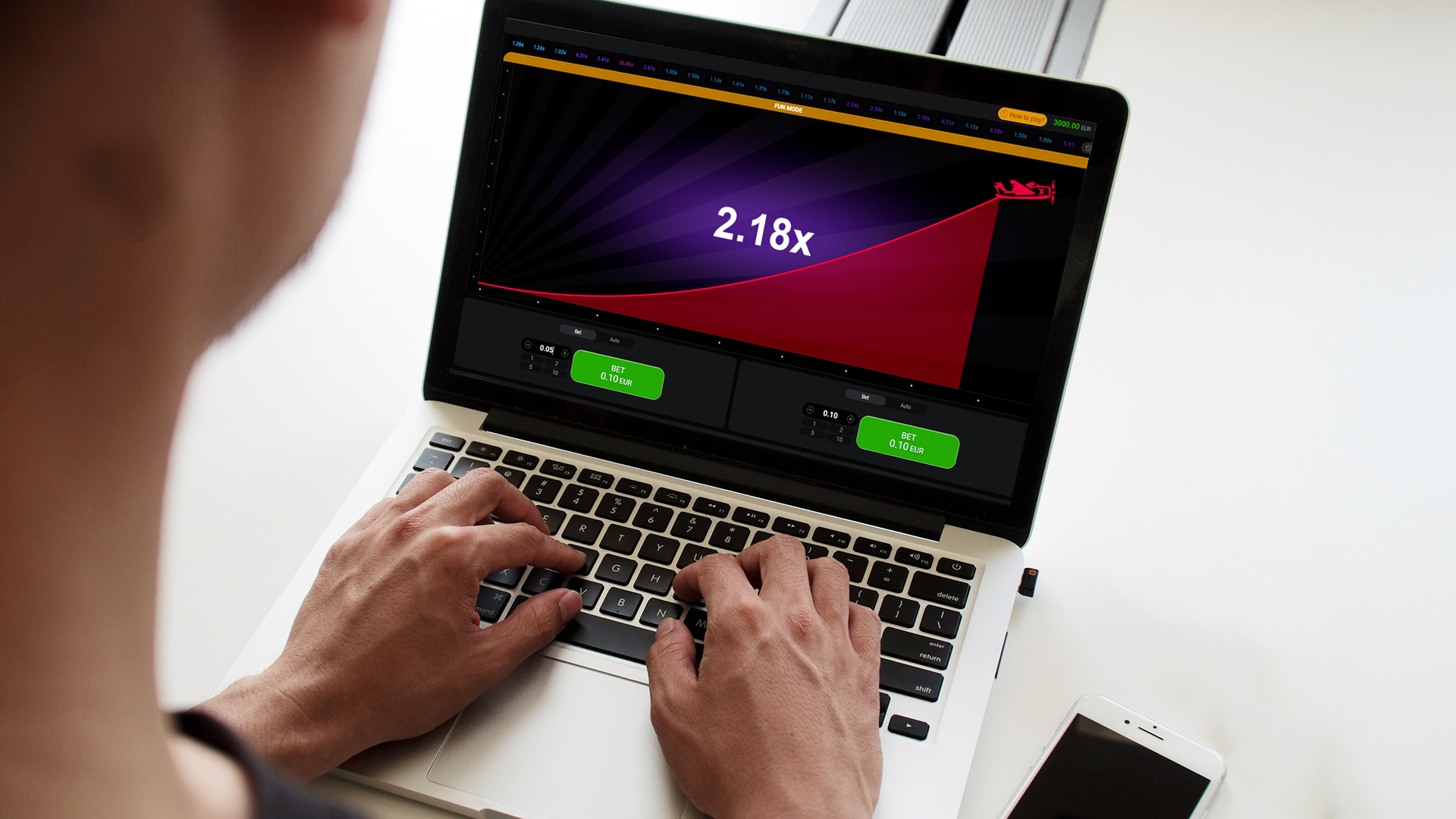
What is a Crash Game?
Crash games are a simple, real-time gambling format. A multiplier increasing from 1× up (often visualized by a graph, rocket, or airplane) is shown every round. The sooner you cash out, the smaller and safer your win will be; the longer you wait, the higher the payout will be.
This continues until the multiplier “crashes,” ending the round and wiping out anyone who hasn’t cashed out. This sophisticated “risk vs. reward, time vs. timing” mechanism is easy to grasp and very compelling.
Why Crash Games Fit the TikTok Generation Like a Glove?
Timing is everything, and multiplier games arrived at precisely the right cultural moment. The TikTok generation (Gen Z and younger Millennials) has been trained to get their thrills quickly from snackable entertainment.
Crash games feel like they were designed with this audience in mind, since rounds last under a minute and pay out immediately, imitating the pace and drama of short-form video scrolls.
The other reasons for their fit with the TikTok generation include:
- Snackable and Quick Rounds: The games have a fast pace with quick payouts. This provides a constant stream of “micro-doses of excitement,” mirroring the brief, high-intensity feedback loop that users get from scrolling through short-form video content on TikTok.
- Visually Appealing and Highly Shareable: The games are very visual, featuring elements like rockets and charts, which makes them perfect for creating short video clips. A dramatic win, a losing streak, or a strategic cash-out can be easily captured and shared on platforms like TikTok, Reels, or Shorts. This shareability helps the games spread quickly and creates a sense of FOMO (fear of missing out).
- Social Proof and Livestream Appeal: Multiplier games are entertaining to watch, which makes them popular with streamers and social casino developers. They can create live reaction videos to big wins, share their strategies, and engage with viewers. This format is ideal for influencer-led growth and fosters a sense of community.
- Low Barrier to Entry: The games are simple to play, often requiring just a single tap to wager and another to cash out. There are no complex rules or long tutorials. This aligns with the expectations of TikTok users, who are used to immediate, mobile-first access and don’t want to deal with a lengthy onboarding process.
The Design Mechanics that Amplify Appeal
These explosive games also owe part of their allure to their design. A rising multiplier creates an obvious visual progression, often represented by a rocket, progress bar, or graph.
Additionally, although luck ultimately decides the outcome, players also have agency in the sense that they actively decide when to cash out.
The short feedback loop, which lasts just a few seconds between wagering and seeing the outcome, also makes it alluring to play repeatedly.
When you add the social layer (leaderboards, live chats, viral big-win videos), it morphs from game-play into a shared cultural experience reflecting the influencer-driven online communities.
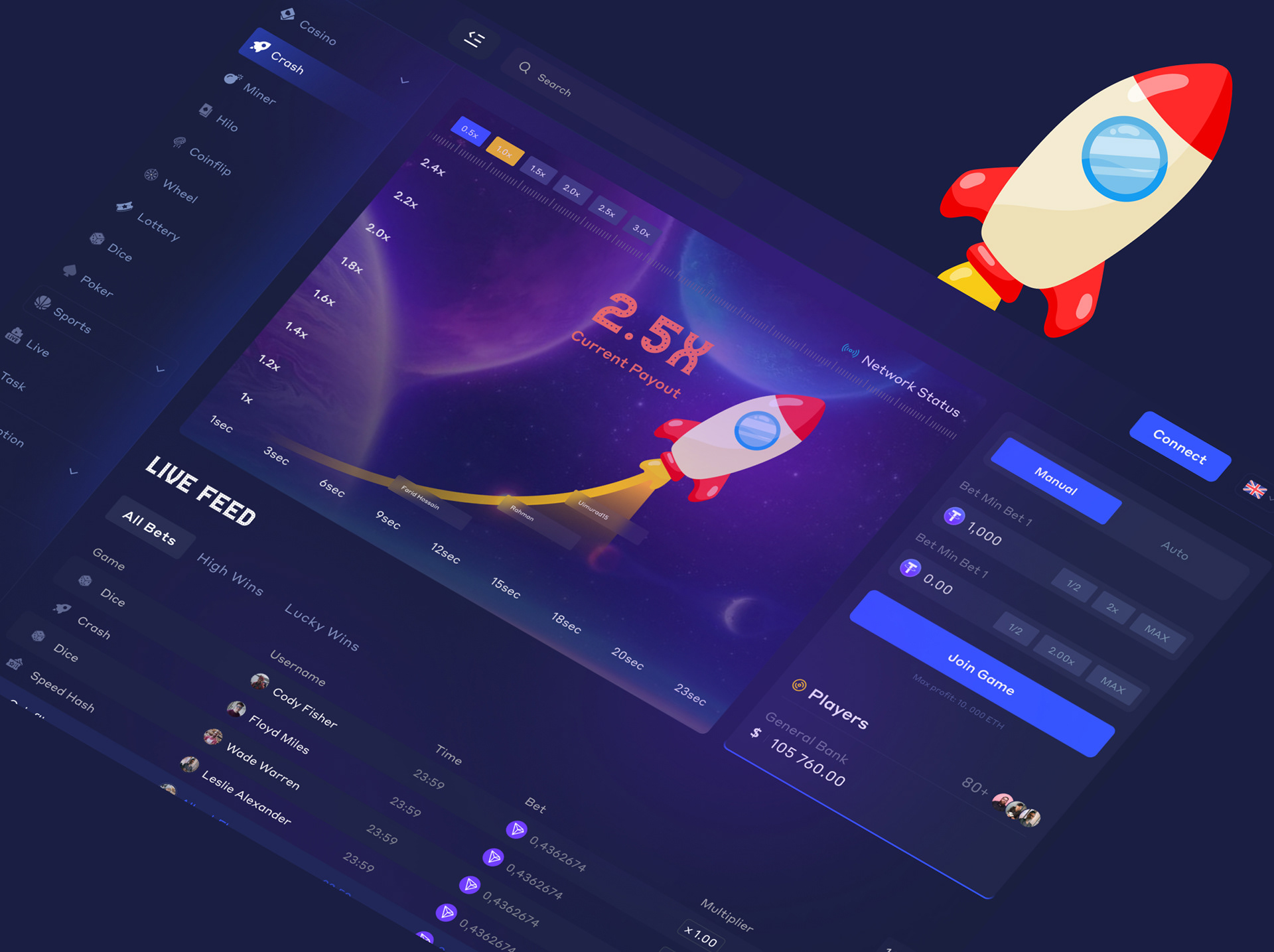
Understanding the Nature of Crash Games
For all their quick-fire thrills and cultural relevancy, these explosive games have characteristics that require careful consideration.
Their speed, ease of play, and immediate feedback, while appealing, can contribute to certain behavioral patterns. To fully understand their impact, it’s important to look at the factors that coincide with their popularity.
Navigating Behavioral Patterns and Risks
The world of crash games requires an awareness of their design and how it can influence player behavior. To make informed choices, it’s essential to understand the inherent characteristics of the games and how they can affect risk-taking and financial decisions. These factors aren’t necessarily negative but crucial for a balanced perspective.
- Fast-Paced Engagement and Impulsive Play: The rapid-fire wins and quick rounds of mulgames can facilitate a cycle of impulsive behavior. The same features that make them so engaging can create a constant reinforcement loop, which may be challenging for those prone to compulsive actions.
- Perceived vs. Actual Control: A key aspect of these explosive games is that players decide when to cash out, creating a powerful illusion of control. Players may attribute losses to their “bad timing” rather than to the random nature of the game. However, a deeper look at the math shows that luck is the primary factor. The higher the potential reward, the lower your chance of winning.
- Volatility and Financial Exposure: These games are known for their fast, significant swings in wins and losses. This high volatility means that the financial outcome of any round can be extreme. The game’s speed can also lead players to raise their stakes quickly, especially when motivated by videos of significant wins, which can increase their financial exposure.
- Transparency and Trust: The fast-evolving nature of multiplier games means they often operate ahead of established regulations. This raises important questions about the fairness of their systems, such as how the Random Number Generator (RNG) works. Players should seek out transparent, authorized platforms to ensure fair play and system integrity.
Considerations for the Industry and Creators
Players are not the only ones who are responsible for the healthy development of crash games. Platforms and content creators need to be considerate about how they portray the format.
Rather than glamorizing the experience with flashy reels that promote high-risk betting, they should spotlight responsible play and represent the reality of losses.
Operators should also provide robust responsible gaming tools that are easily accessible and extend beyond mere entertainment.
Transparency is key; fairness checks and provably fair processes should not be hidden in the fine print. Regulators also have a role to play.
Monitoring needs to keep pace with the ways influencer-led marketing and short-form content can impact young or vulnerable audiences, as crash games are increasingly becoming a gateway for Gen Z gamblers. The line between exploitation and entertainment risks becoming dangerously blurry without that balance.
Crash Games and TikTok: A Match Made in Momentum
Two powerful forces—modern attention economy (short, intense, repeated content) and a gambling model which compresses risk into seconds—have come together in the creation of crash games.
A near irresistible format has emerged for players who grew up on TikTok. A double-edged sword: great user interaction design, but a significant potential for impulsive or harmful play.
It’s critical to understand both sides: on one hand, players should view crash games as high-volatility entertainment and not as a way to make quick cash, and on the other hand, developers and platforms should go above and beyond to keep the promotion of the format as safe as possible and promote transparency as much as possible.
