

Now shaping most business functions, cloud systems support tasks ranging from digital commerce and banking to machine learning along with distributed teamwork. With more reliance on these networks, the electricity needed for server facilities has climbed sharply.
Such growth draws closer scrutiny toward how well energy is used, pushing firms to limit excess without sacrificing stability.
What once seemed a secondary concern now stands central to decisions about future technology design. Efficiency forms part of core strategy, quietly guiding choices behind sustained operation.
It is becoming clear to organizations using cloud platforms that well-designed infrastructure reduces expenses while benefiting ecological outcomes along with operational resilience.
With shifting standards, rising user demands, and changing climate targets, focus among service operators shifts toward methods and structural choices that extract full value from each watt used.
Rising Energy Demands
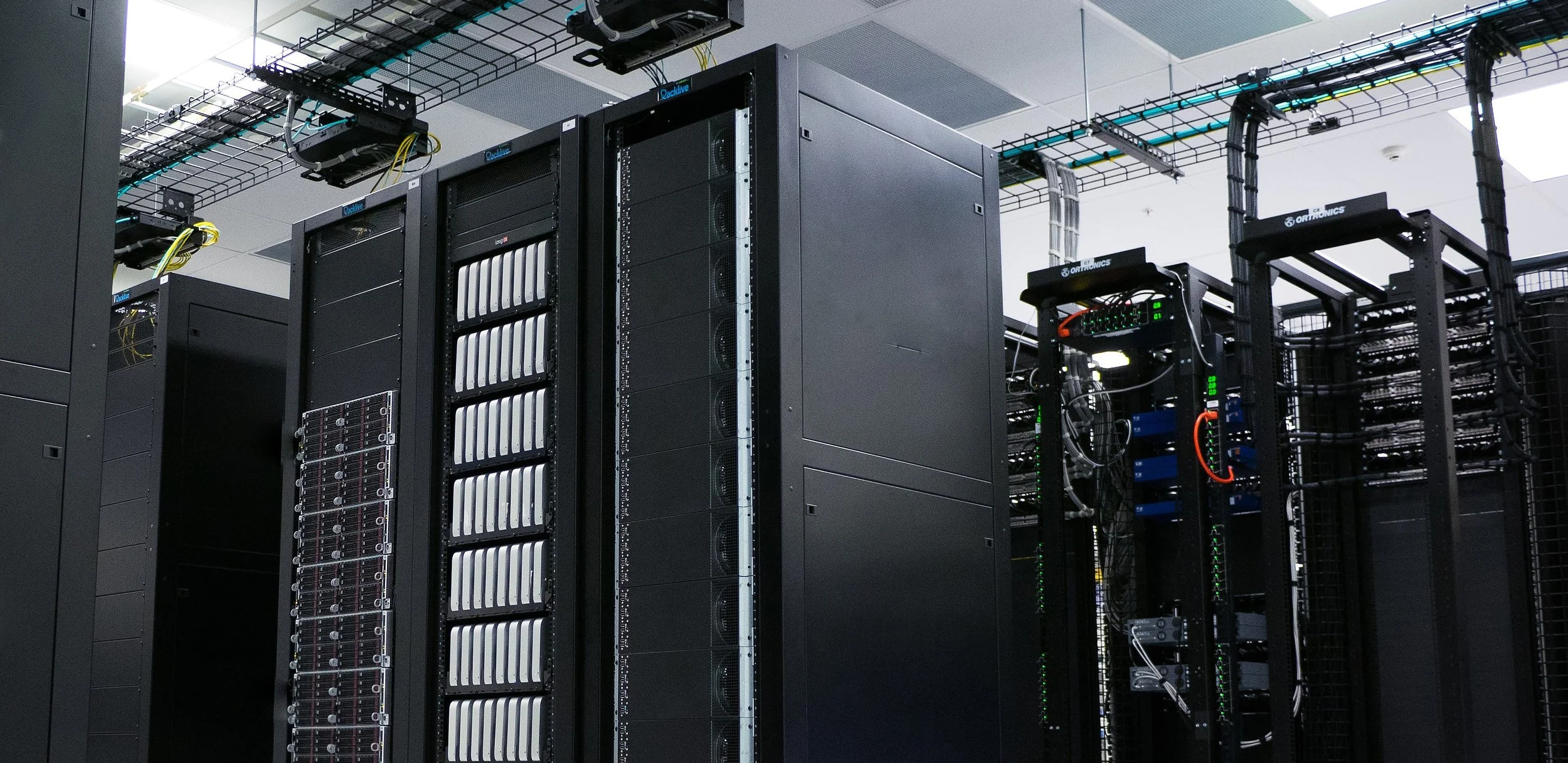
Cloud growth drives sharp rises in need for computation, data space, memory systems. With every tool running online, machines stay active always, pulling electric current.
When companies shift operations into digital spaces, hardware suppliers face pressure – energy use climbs even as performance expectations grow unchanged.
Even sizable computing hubs need climate control, emergency power units, along with oversight technology – each adding to electric demand. In absence of strict efficiency benchmarks, spending trends may climb sharply across years.
Firms focusing on optimized layouts tend to handle expansion more smoothly, keeping financial outflows steady. Yet performance depends heavily on early infrastructure choices.
Environmental Responsibility
Nowadays, sustainability matters more than ever to groups in most fields. Instead of just looking at technology skills, companies often consider how eco-friendly cloud vendors are. Because they follow energy rules, suppliers manage to lower greenhouse gases via less wasted electricity inside their buildings.
Operations running smoothly contribute to a company’s promise to operate sustainably. Reports on environmental performance – often released by companies – track power consumption alongside goals for reducing pollution.
When firms select cloud systems built around verified standards of effectiveness, they reinforce internal eco-friendly efforts. Such choices show clients, shareholders, and oversight bodies that resources are handled with care. Proof of thoughtful usage emerges through these aligned decisions.
Infrastructure Design
Starting with structure shapes how little power a system will need later. Instead of just swapping machines, better results come from rethinking layout first. Cloud data centers today focus on air movement early so heat does not gather easily.
Cooling works better when architectural choices support it from day one. Long-term savings emerge not by chance but through deliberate construction decisions made long before hardware arrives.
Stable operation depends partly on what materials are used during construction. Insulated metal panels appear frequently in facility design, their presence tied to better temperature control and less strain on cooling units. From another angle, insulated metal roofing limits how much outside heat enters a building.
Consistent interior climates become easier to maintain when such features are included, along with noticeable gains in energy use effectiveness.
Advanced Technology
Most current cloud services depend on smart programs that adjust energy use instantly. Because conditions change constantly, artificial intelligence tracks activity levels, heat output, and electricity flow without interruption. Efficiency gains emerge when patterns are detected across these variables over time.
During quieter times, server operations scale back naturally, which prevents wasted power. This kind of responsiveness results from constant background analysis rather than fixed rules.
Efficiency gains emerge when virtual environments let separate tasks occupy shared machines. Rather than run many servers at low capacity, companies combine operations without sacrificing output. Power demand drops as systems become denser.
Cooling needs to shrink alongside fewer machines running. Over time, spending on new equipment declines due to extended lifespans of existing gear.
Business Benefits
Financial benefits of energy efficiency go further than just smaller electricity payments. Maintenance spending tends to decline in high-efficiency buildings due to steady performance from HVAC units, electrical infrastructure, and computing hardware.
Because daily operations cost less, firms managing data centers can allocate funds toward innovation even as they maintain market-relevant rates for users.
Energy management done well helps keep services running without interruption. When temperatures stay steady, machines are less likely to fail – especially where power supply matters most.
With businesses now relying heavily on cloud platforms for essential functions, consistent performance ties directly to how carefully systems are maintained. Efficiency in infrastructure is no longer separate from operational success.
Future Industry Direction
Still, governments along with sector groups push tighter rules on how much energy digital systems may use. Because of this, new methods emerge – meanwhile, the growing footprint of cloud computing faces downward pressure.
Those who move early toward leaner tech find themselves aligned with what regulations might demand later, avoiding large-scale changes when deadlines arrive.
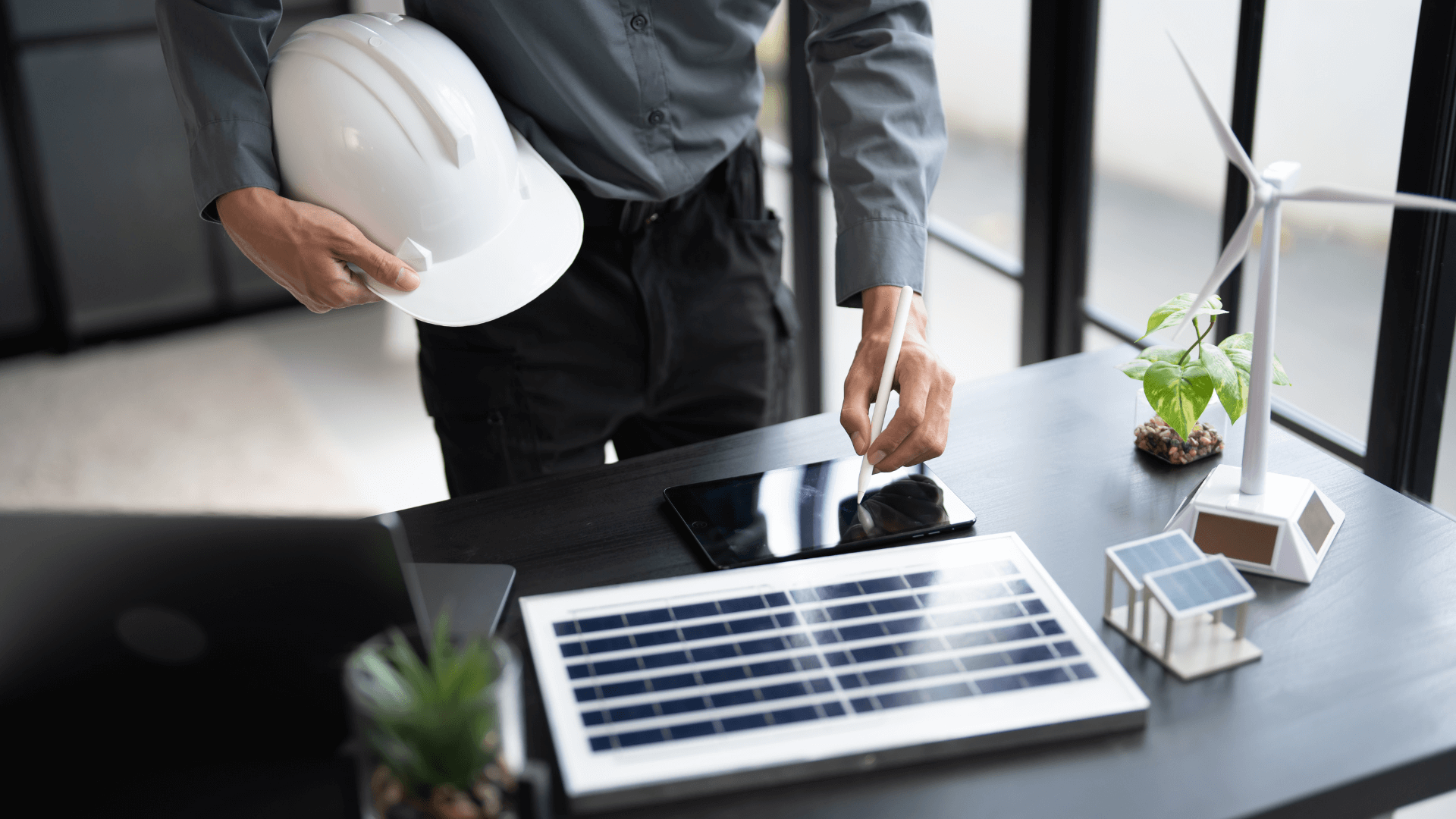
Cloud systems are likely to become more efficient as new methods appear. Liquid cooling could play a role in managing heat more effectively. Power sources like solar or wind may connect directly into data operations over time.
Storage solutions based on next generation batteries might handle supply gaps without interruption. Efficiency gains often follow when firms adopt updates sooner rather than later.
Resilience during disruptions tends to increase under these conditions. Long range environmental targets align well with certain upgrades of this kind. Market position sometimes reflects how quickly technical shifts get absorbed.
Conclusion
Because energy rules shape how data centers operate, their role has grown within cloud planning. Where systems use less power, waste declines alongside expenses while output remains steady.
With consistent digital demands, companies benefit when service stability improves through smarter design. Responsibility toward the environment aligns naturally under such conditions.
Cloud computing grows across nations, shaping how institutions assess vendors. Instead of price alone, long term viability now weighs heavily in decisions. Through smart construction methods, technology upgrades follow naturally.
Energy practices shift toward accountability, guiding operations forward. Performance improves when systems endure change without disruption. Future readiness emerges quietly through consistent choices today.
